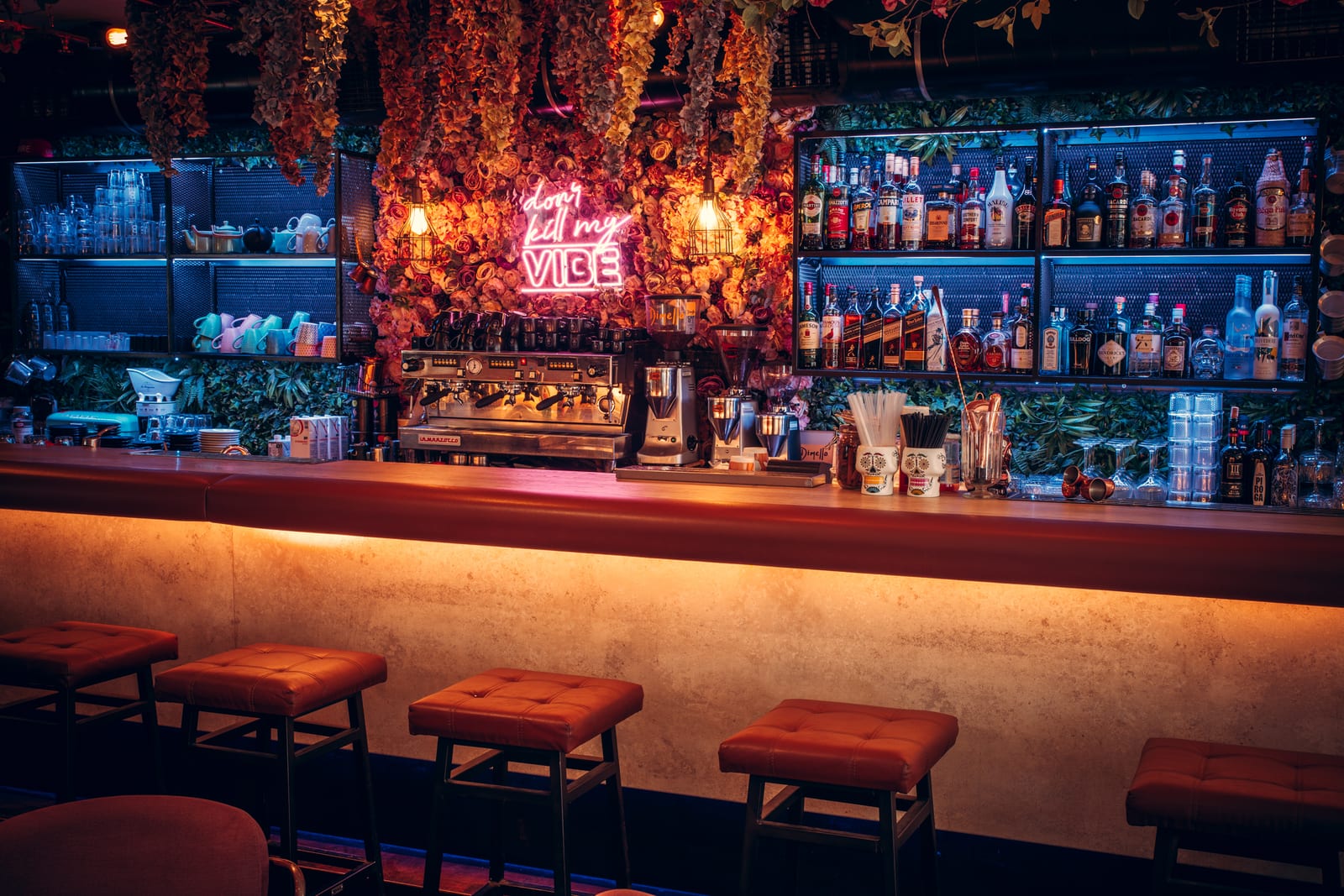
Light can explain a place without much of its surroundings being visible. A colored wall, a neon sign or a backlit shelf is often enough to call up a particular atmosphere.
Four productions in the archive have little in common photographically and still share one main subject: the light somebody chose for that place.
Four places, four moods
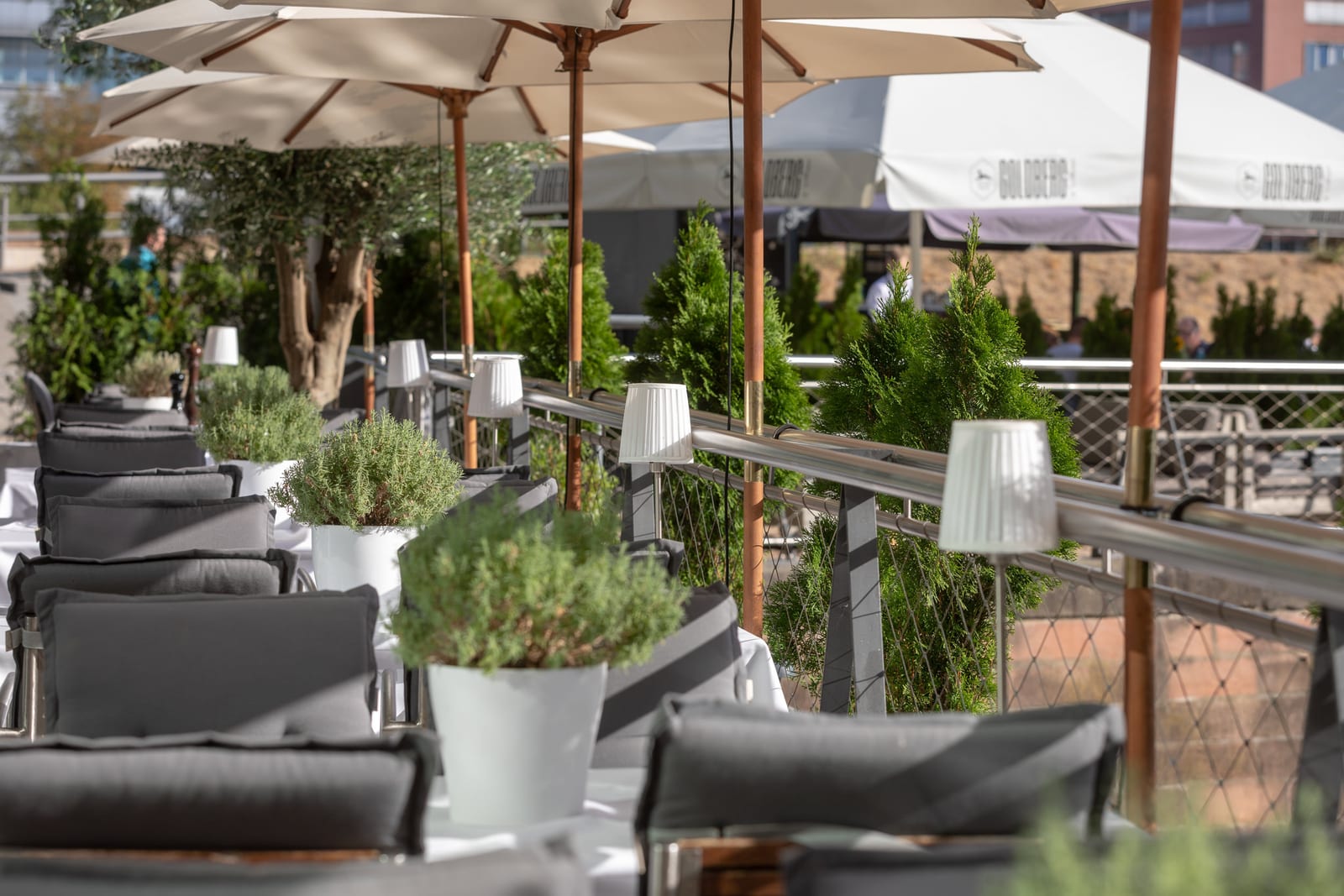
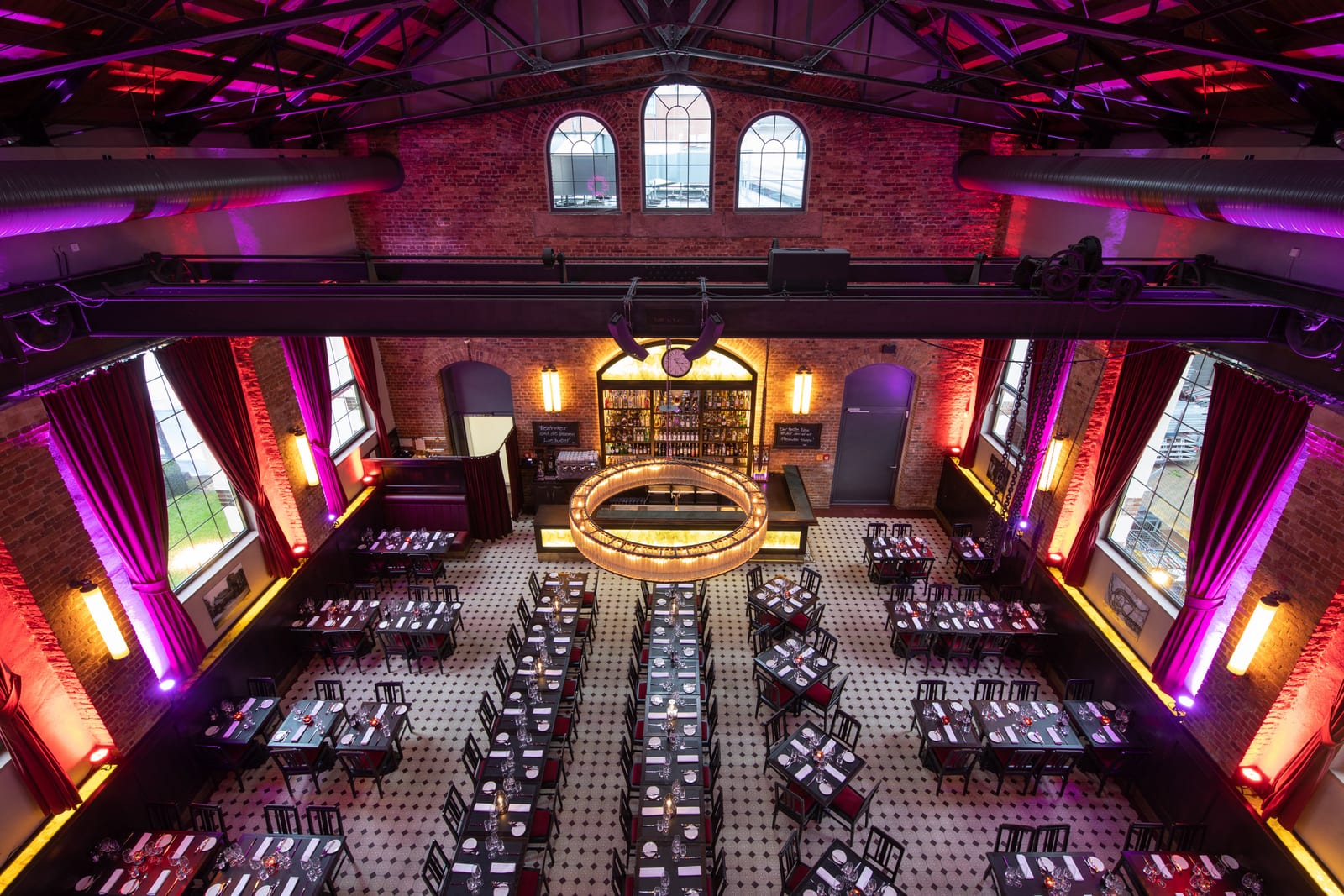
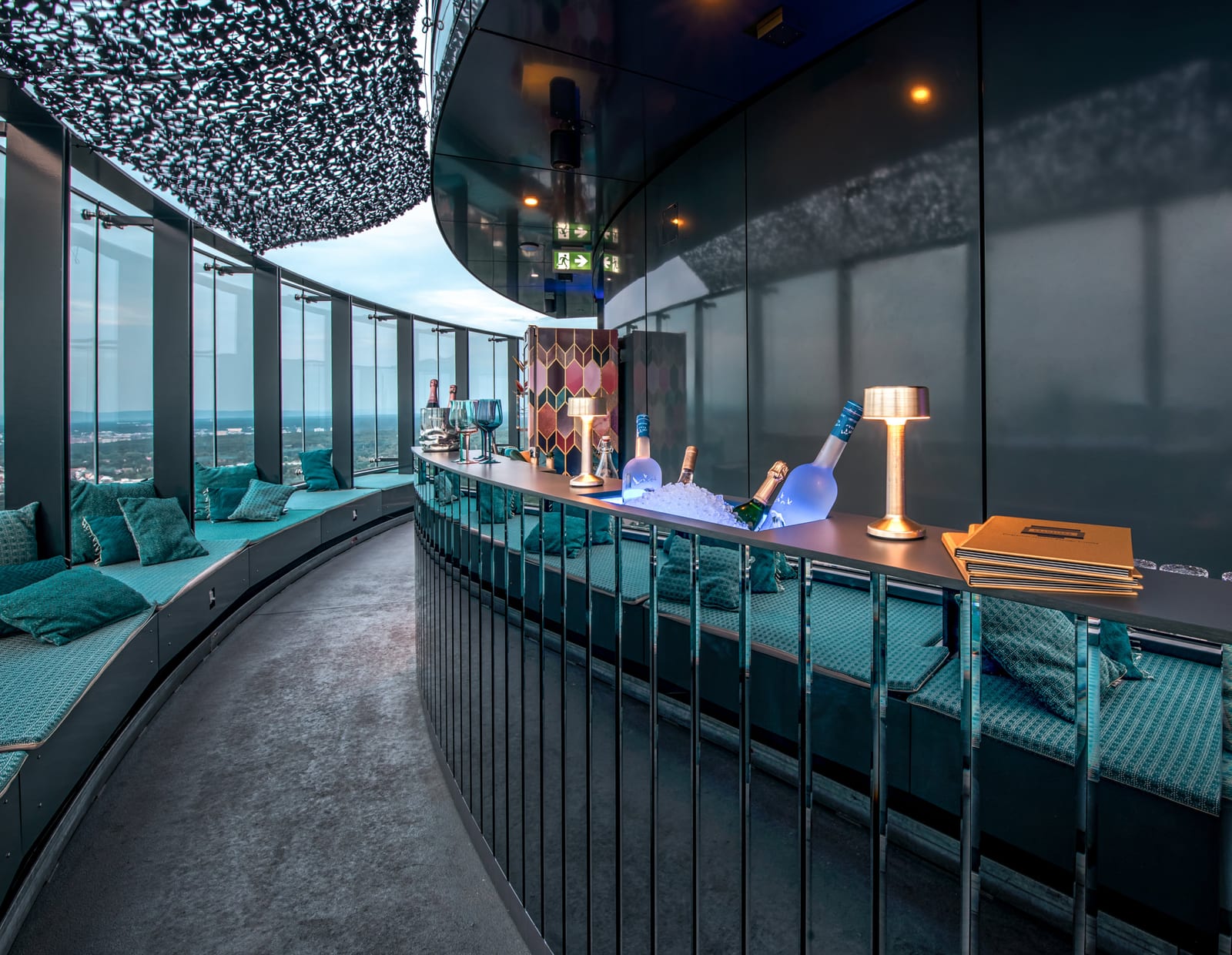
The Mojo Bar works with a warm counter glow, cool bottle shelves and neon. At Chinaski, cocktails turn transparent against the light. The Trainer Experience by La Biosthétique transforms a hall with pink and violet stage light. At the Druckwasserwerk, lit brickwork meets colored accents.
Existing light stays where it is
These light sources are not neutralized. They belong to the design of the place or of the event. The photographic task is to preserve their effect while keeping faces, products and materials readable.
In practice that means intervening sparingly. One small, precisely placed source lifts a face or a glass without overwriting the color of the room. A flash on the camera at full power erases exactly what the guest came for.
Light as part of the identity
The picture story therefore links very different projects through one shared element: light is not only a technical requirement but a visible part of the identity.
For bars, organizers and operators that has a concrete consequence. Anyone who invests seriously in a lighting concept should be able to recognize it in the pictures. More work is under restaurant and hospitality photography and further work.
Is your restaurant due for new photographs?
Scope and price are fixed before anything is photographed or filmed. The inquiry commits you to nothing.