Wildlife and animal photography
Wildlife photography in the open: animals photographed in their own surroundings. In animal photography, live animals are photographed, preferably in their…
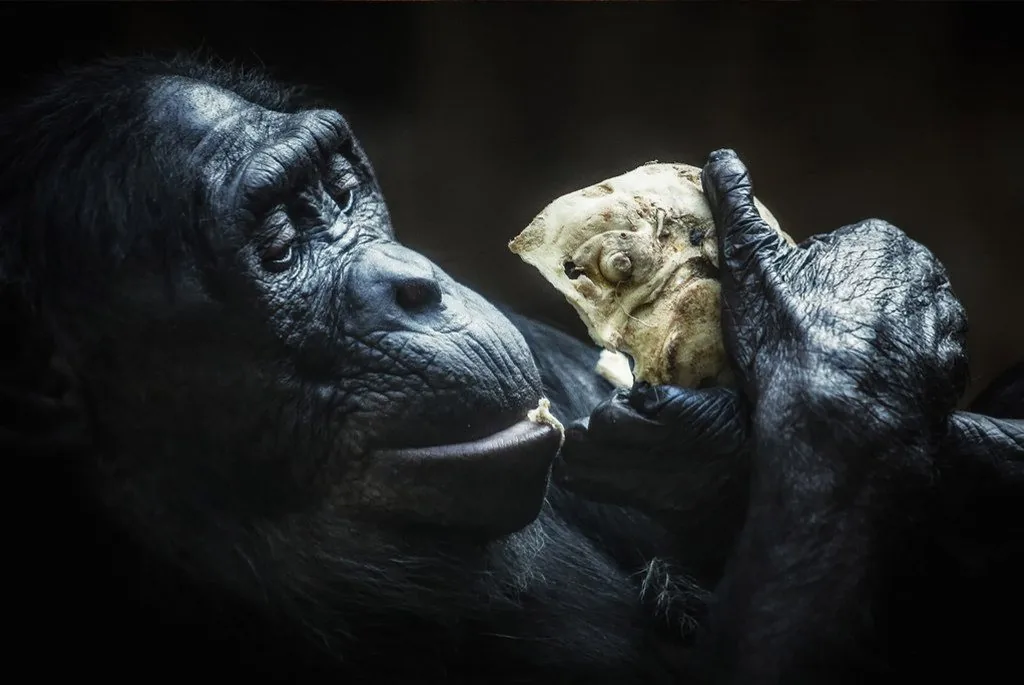
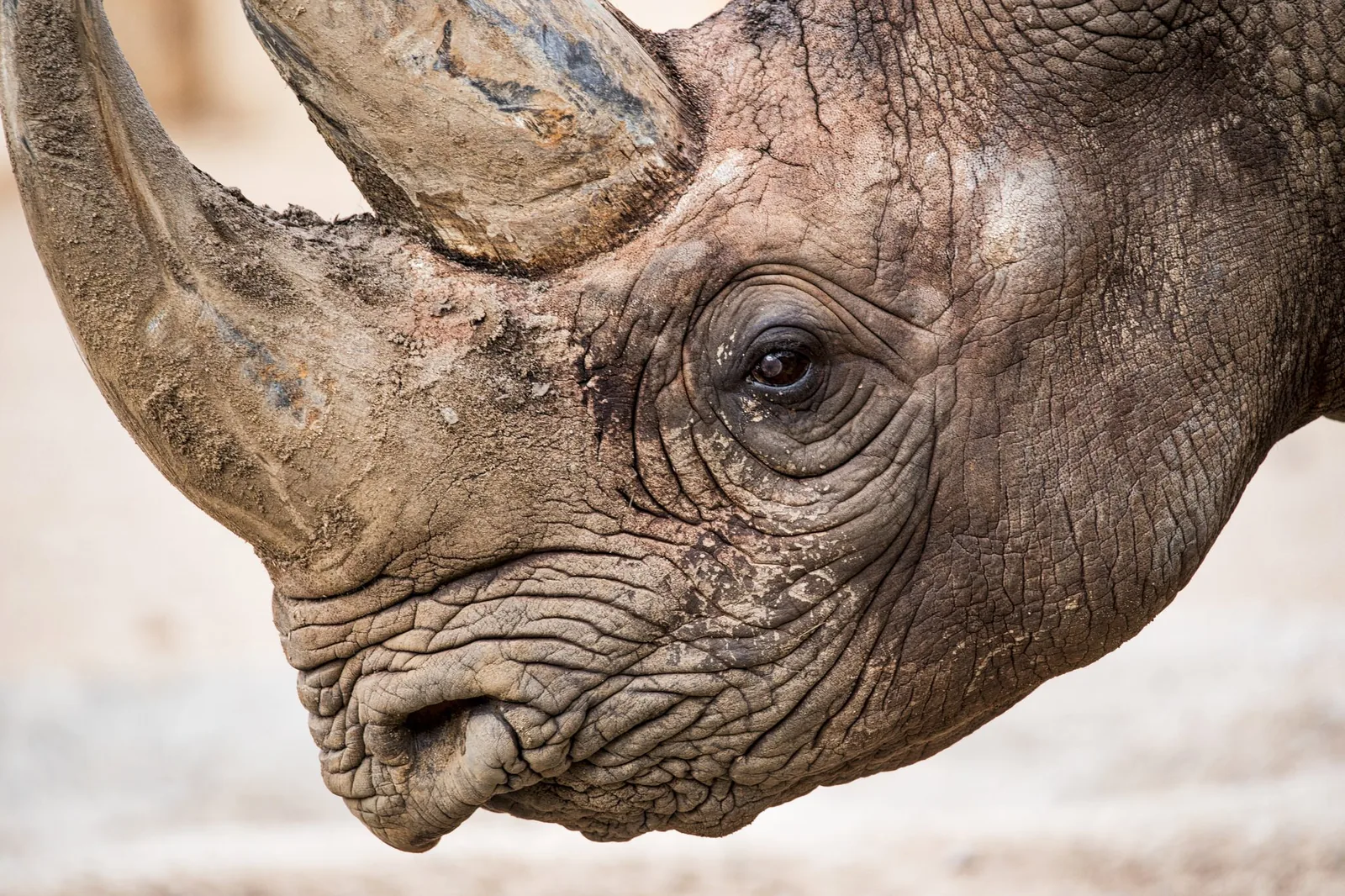
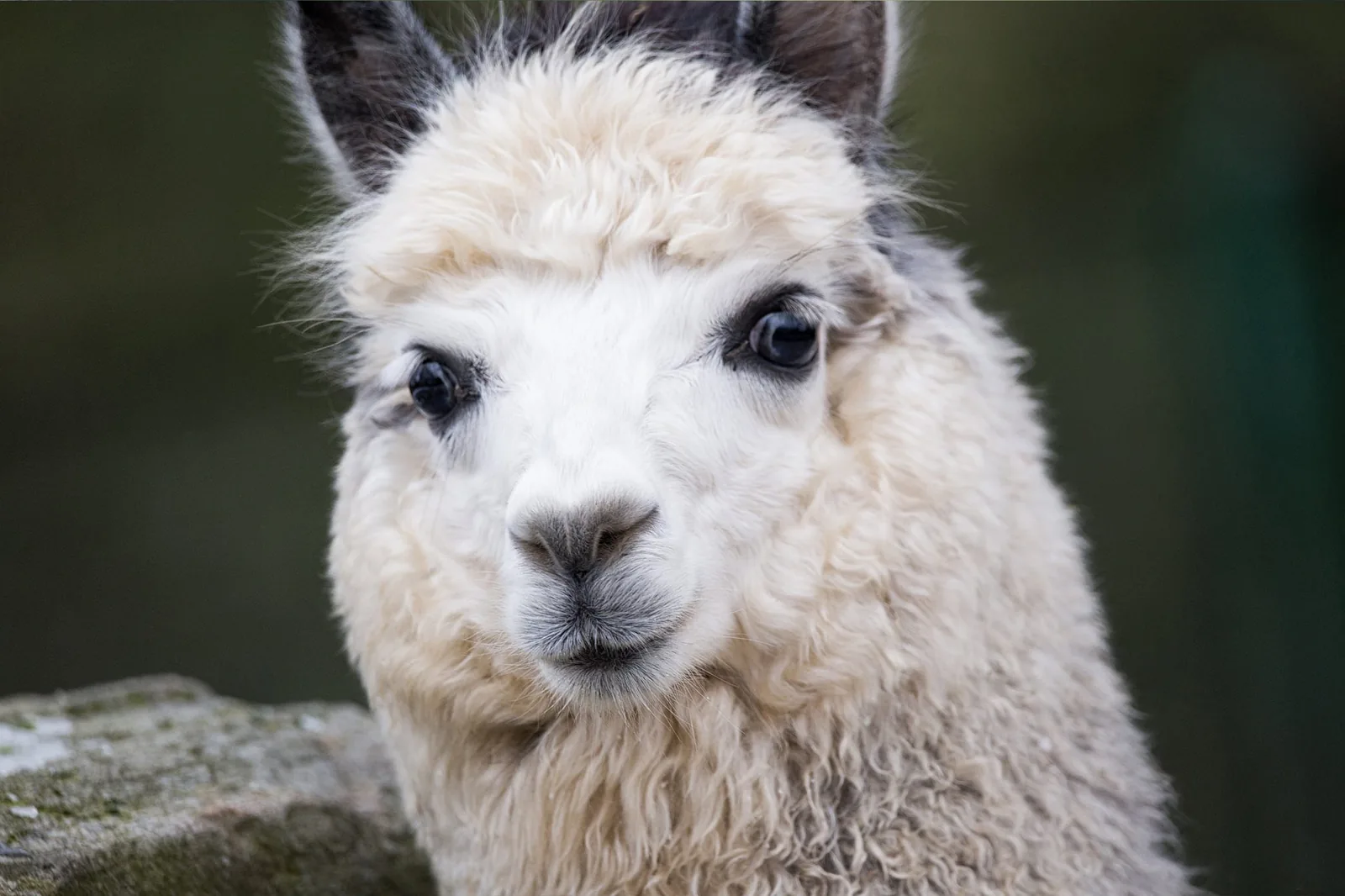
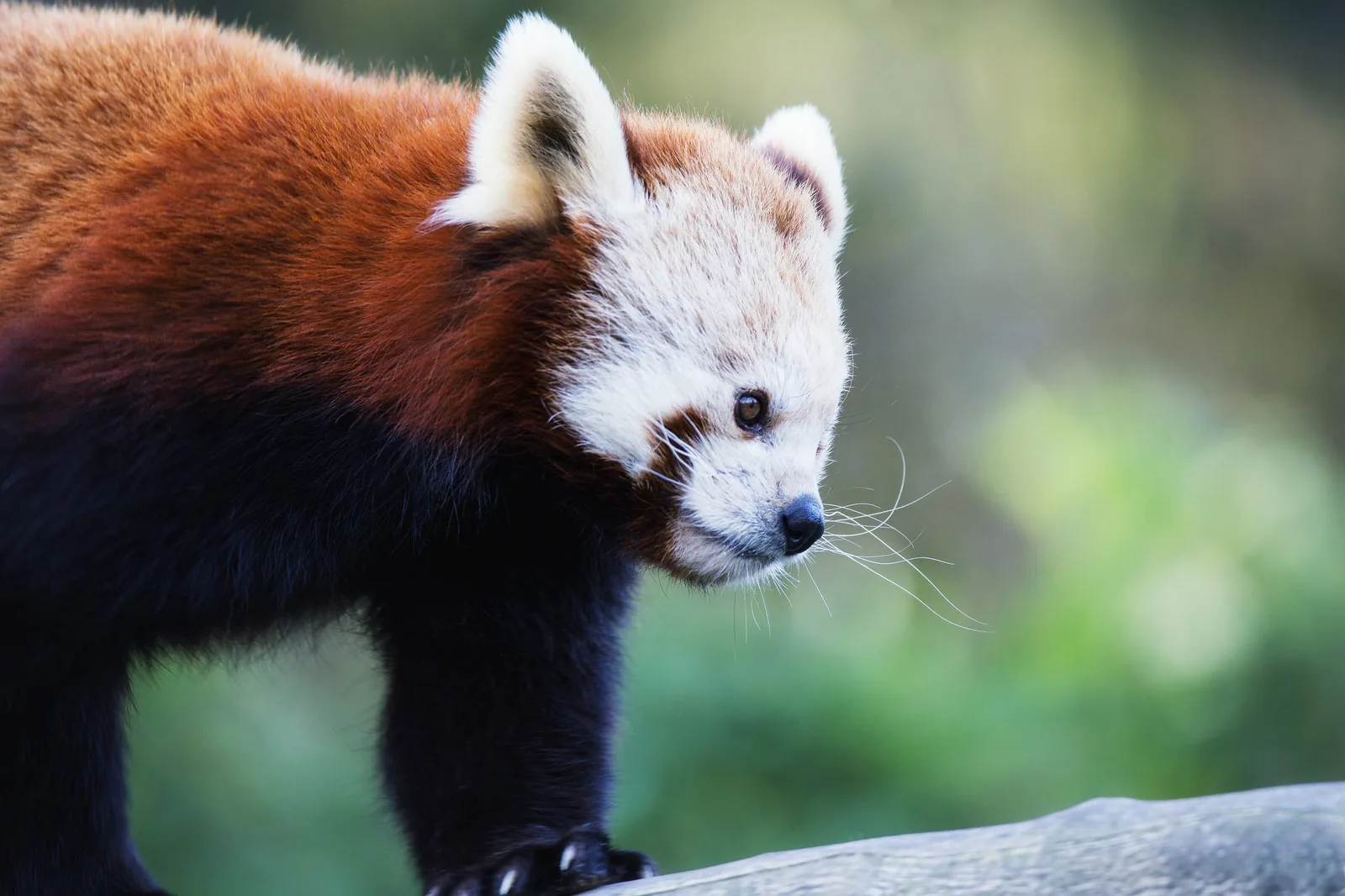
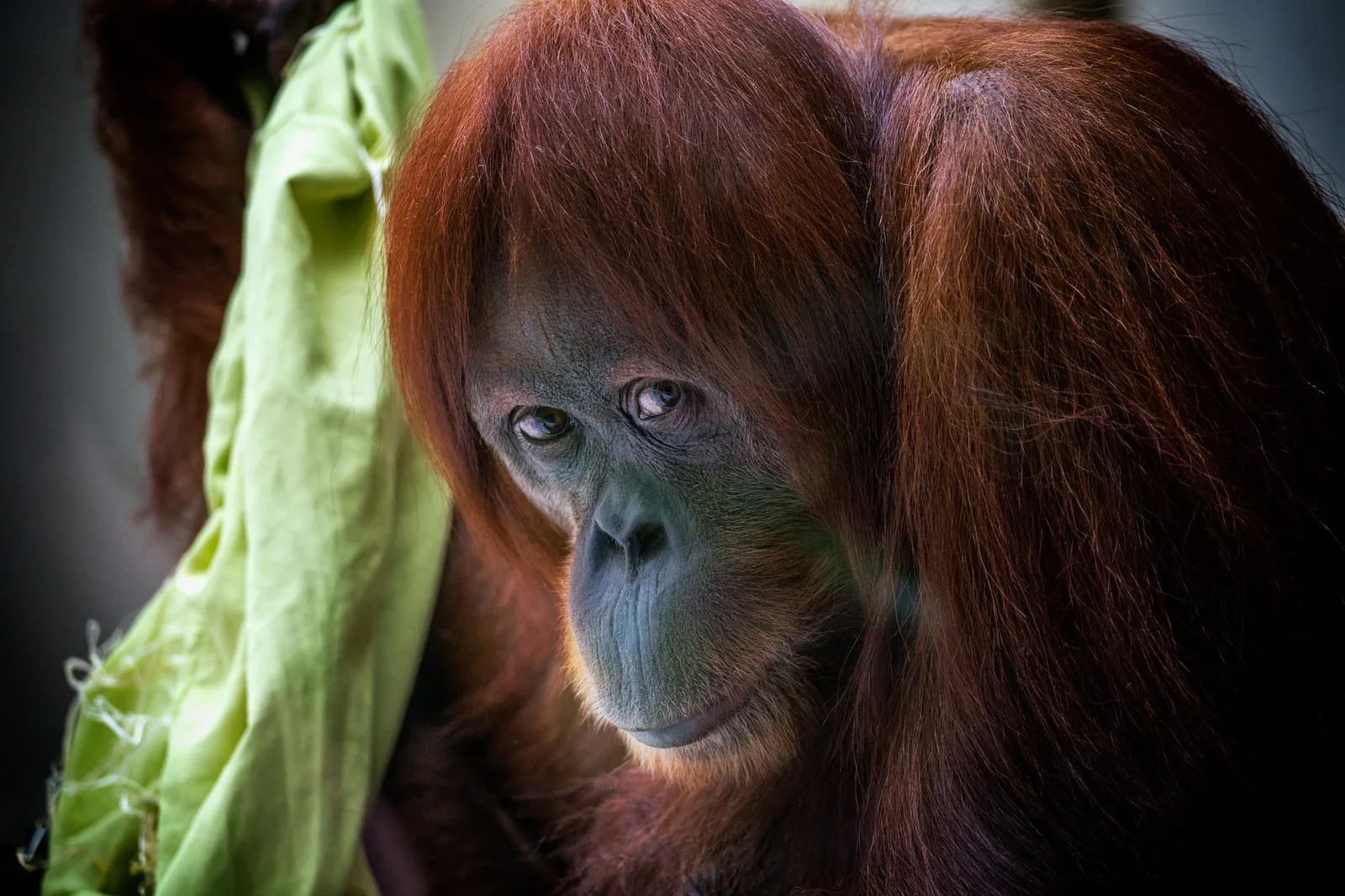
In animal photography, live animals are photographed, preferably in their natural habitat. But it certainly includes shots in zoos or aquariums. The most famous competition in the field of wildlife and nature photography is Wildlife Photographer of the Year. Most wild animals are shy and will not allow humans to get a satisfactory shot close enough using standard amateur equipment. Conversely, a few dangers are enough to keep you from choosing too close a distance to protect yourself. When shooting in a zoo, you usually come across fences, trenches, or other situations. Therefore, wildlife photography is mainly the field of cameras with long to long telephoto lenses.
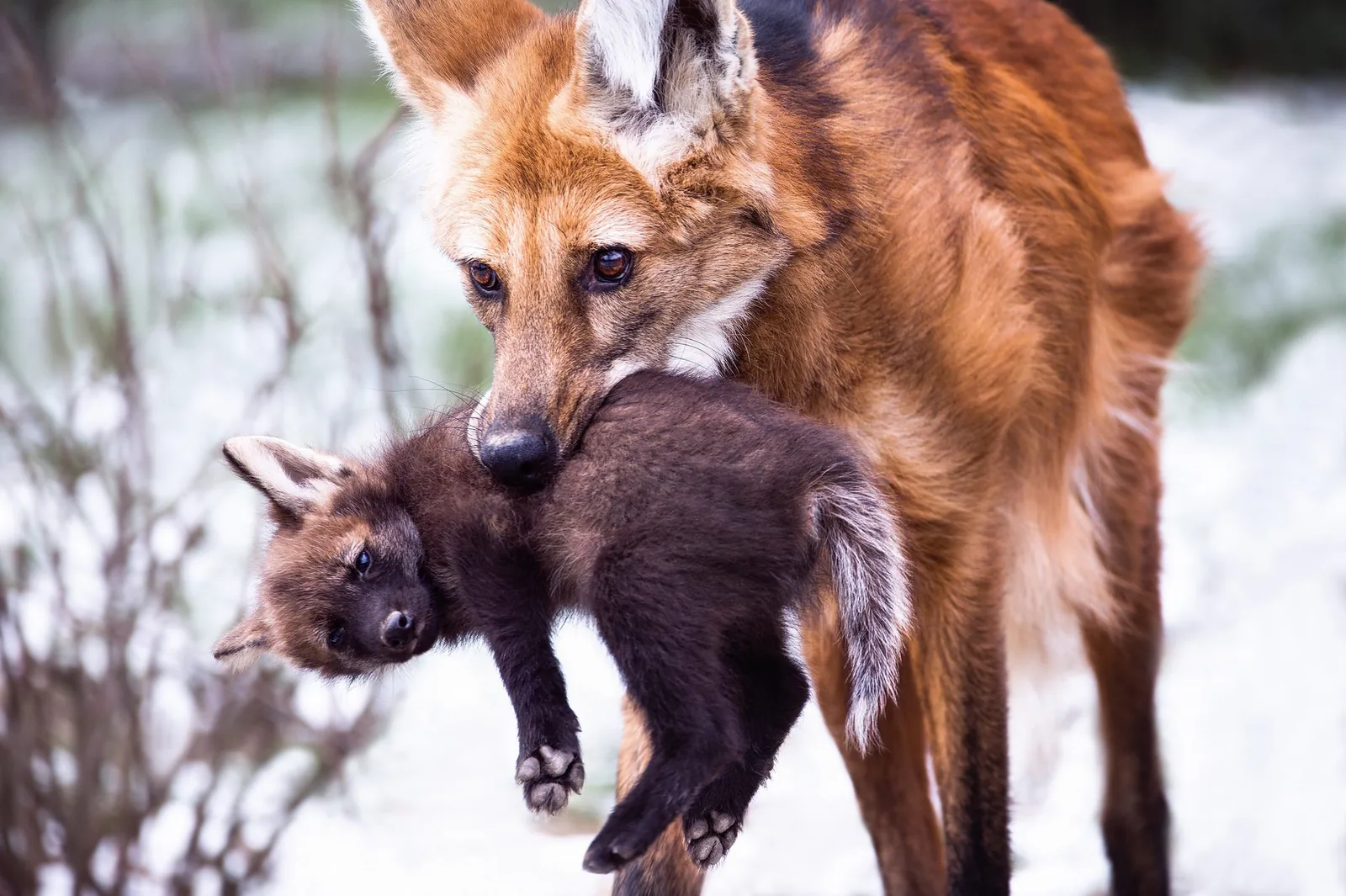
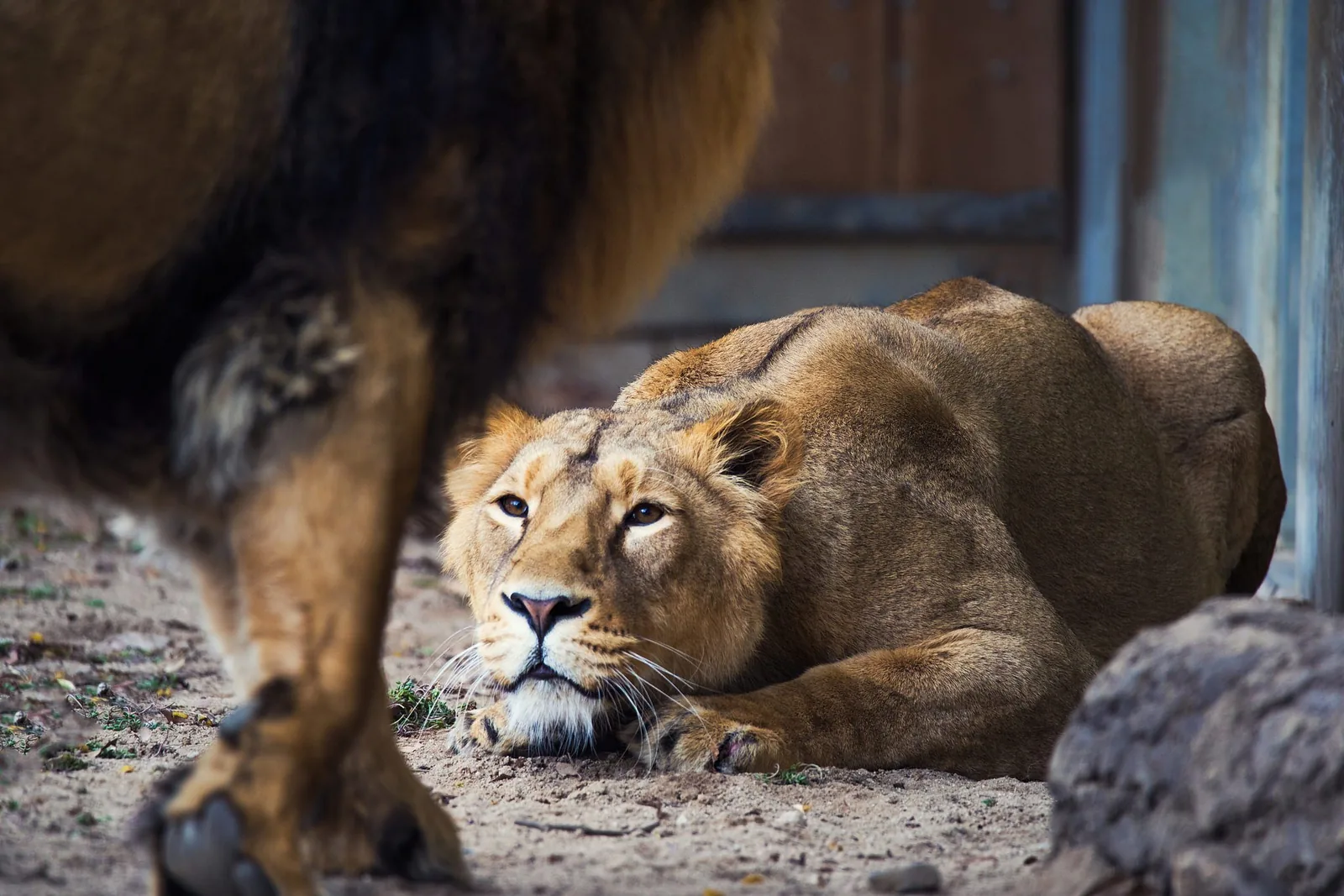
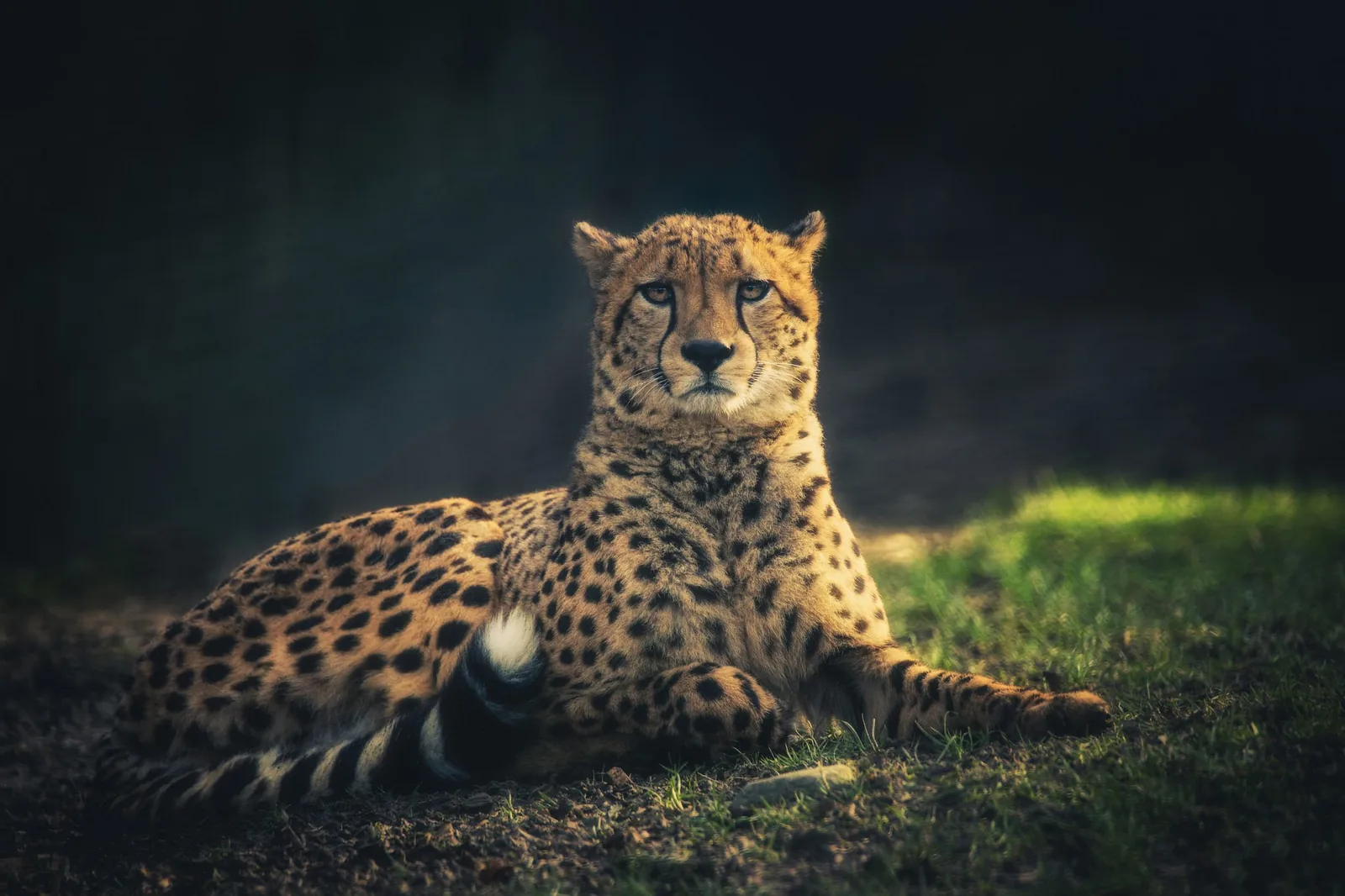
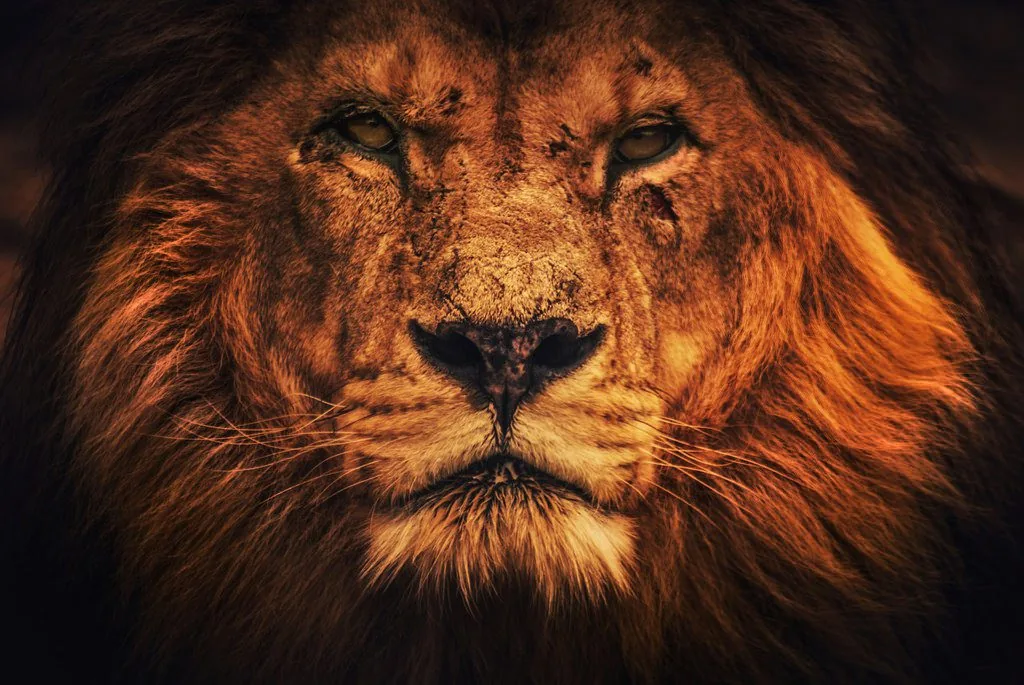
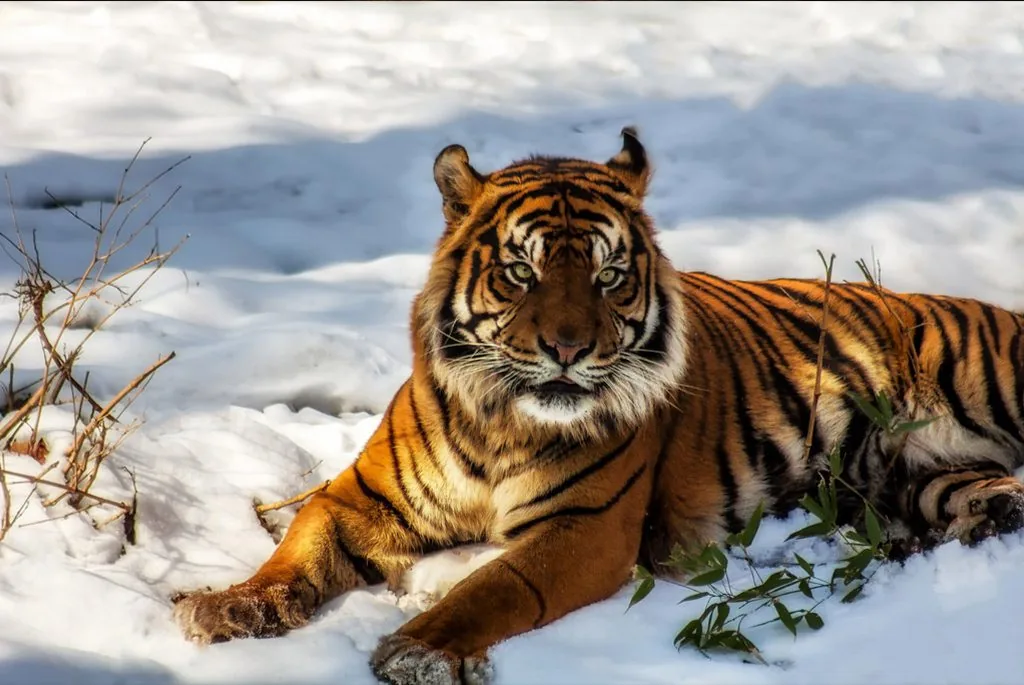
The series shows exactly that case: big cats in enclosures, photographed with a long lens at a wide aperture. A pair of lions, the lioness lying in the sand while the male’s legs cross the frame as a dark foreground. A Sumatran tiger lying in snow with bamboo and dry grass beside it.
The real problem in a zoo is not the distance, it is everything man-made in the frame: bars, a concrete edge, a door, a feeding bowl. Two things work against it. First the foreground — the lion’s legs hide the enclosure wall and turn two separate animals into a pride. Second the aperture: with a long lens wide open, anything two meters behind the animal disappears into a surface.
With wire the rule is the same as anywhere — the lens right against the mesh, and the mesh dissolves. Only the distance between the wire and the animal has to be right, or a gray veil settles over the fur.
What decides every animal picture in the end is the eye. If it is not sharp, nothing rescues the frame; and at this focal length wide open there are only a few centimeters of depth at twenty meters. So focus goes on the near eye rather than on the head, and every position is shot several times.
The rest is waiting. An animal lying motionless for two hours will lift its head perhaps twice in that time. Both times it lasts two seconds. Put the camera down in between and you go home with pictures of a sleeping animal — which is the difference between a visit to the zoo and a set of animal photographs.
- Type
- Wildlife