Professional restaurant photography: how to prepare the shoot
Published
Guests often decide from pictures whether a restaurant suits the occasion they have in mind. Long before the menu is read or a table is booked, they see photographs on Google, on the website, on social media or on a booking platform.
Restaurant photography should therefore show more than a few plates. Rooms, light, service, people and details together say what the evening will feel like.
Careful preparation is what makes a varied, consistent set of pictures possible in the time available. Prepared properly, a single appointment produces material for the website, the menu and social media.
Which pictures does a restaurant need?
The first decision is where the photographs will be used. The usual places are:
- the restaurant website
- the Google business profile
- Instagram and Facebook
- press releases
- booking and review platforms
- food and drink menus
- advertisements and brochures
- delivery services
- event and function offers
- hotel and tourism portals
Each of them asks for a different format. Websites tend to need wide landscape frames. Instagram lives on portrait ones. Delivery platforms mostly need a single dish, clearly readable and on its own.
If the pictures are meant to work in several places, those crops have to be considered during the shoot rather than afterwards.
Write a shot list
A binding shot list keeps an important room or dish from being forgotten. It should be ordered by priority.
Possible subjects are:
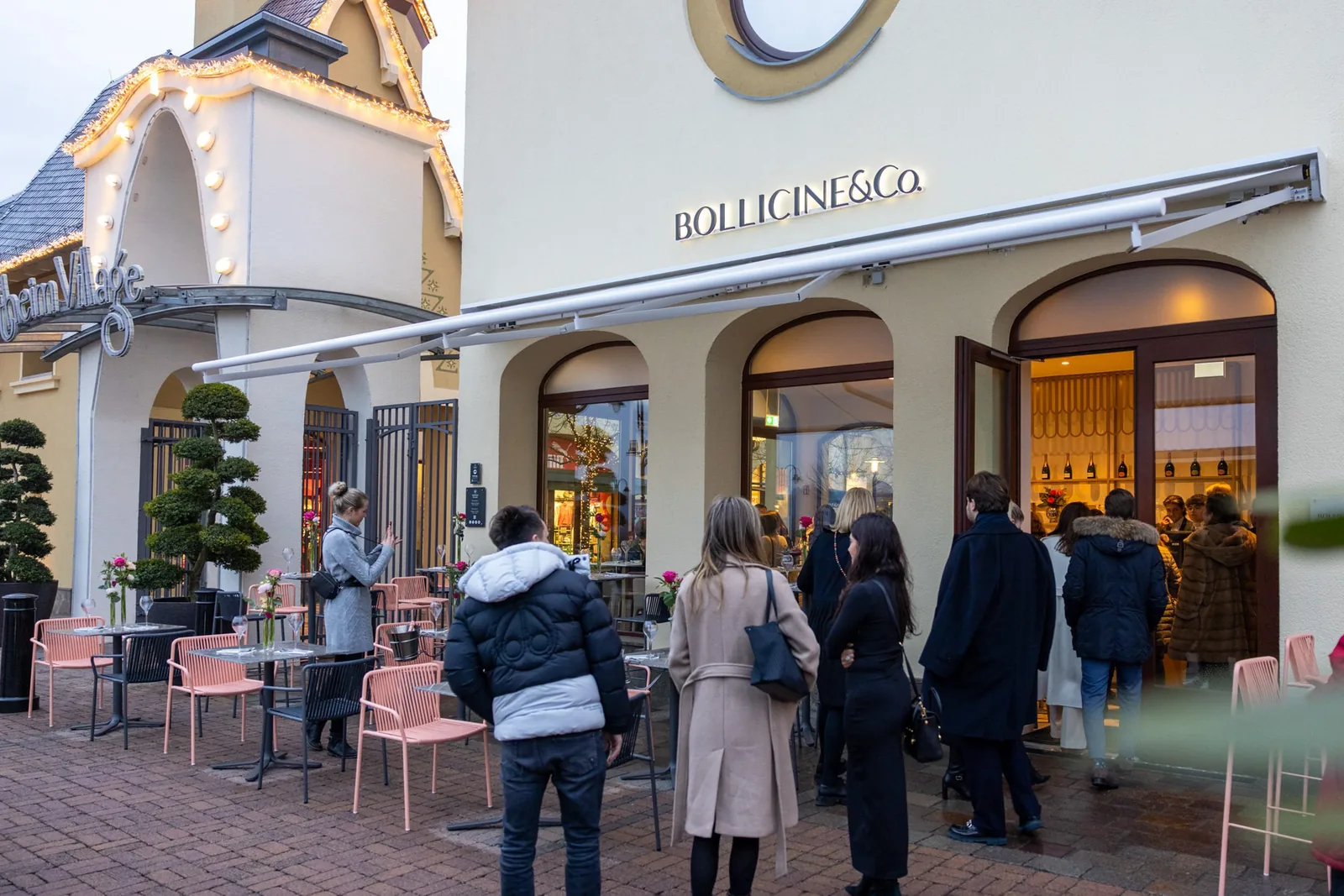
- exterior and entrance
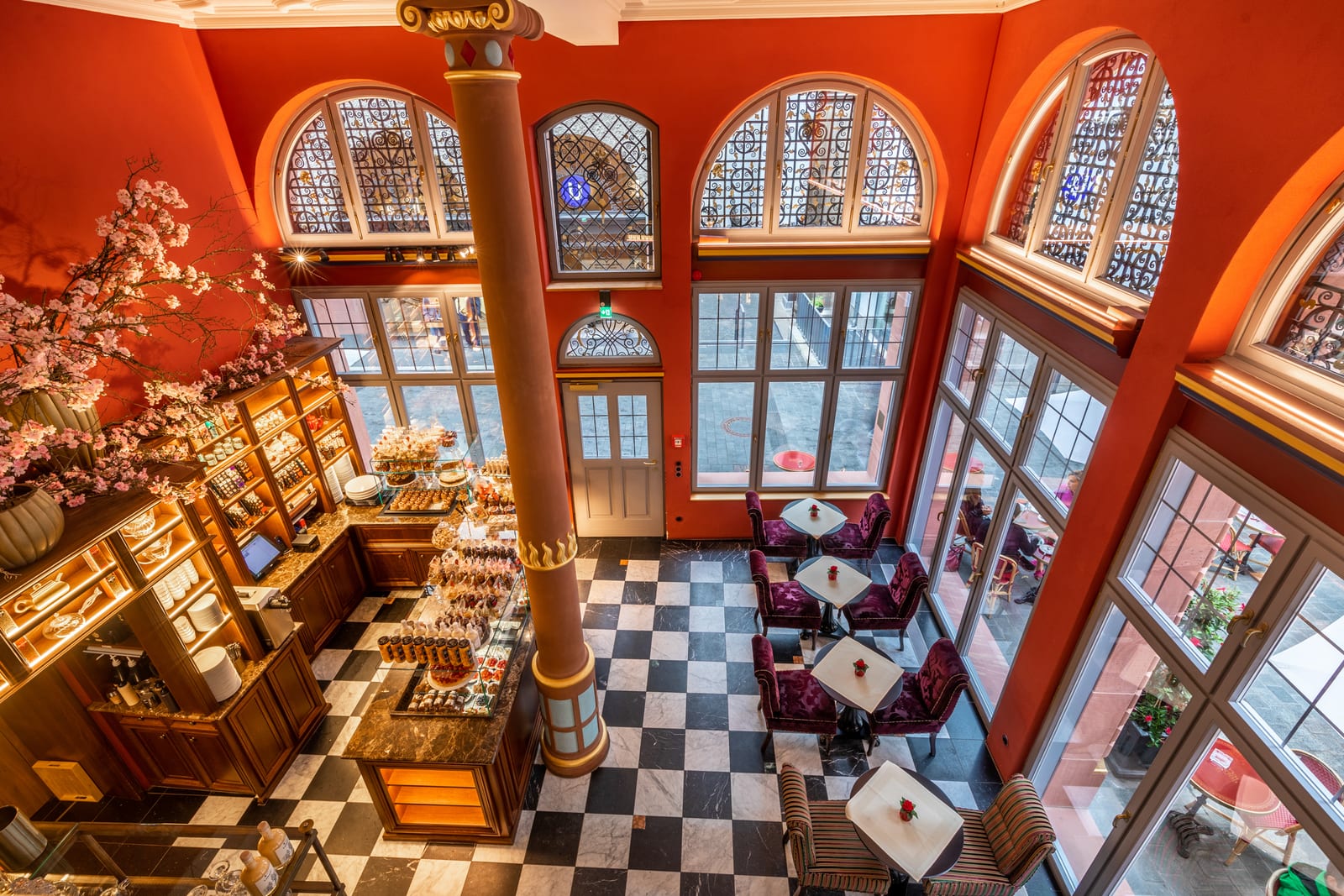
- dining room
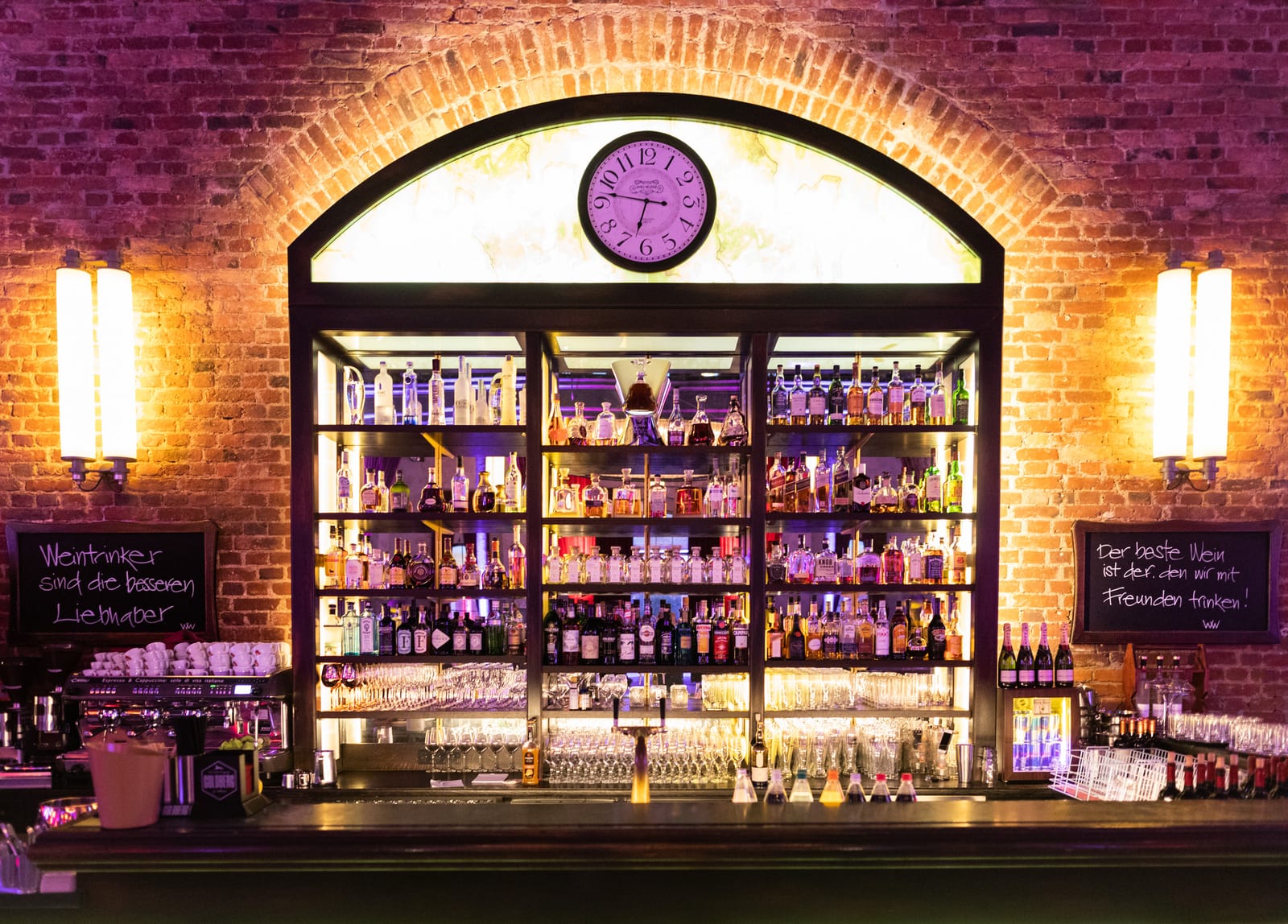
- bar and counter
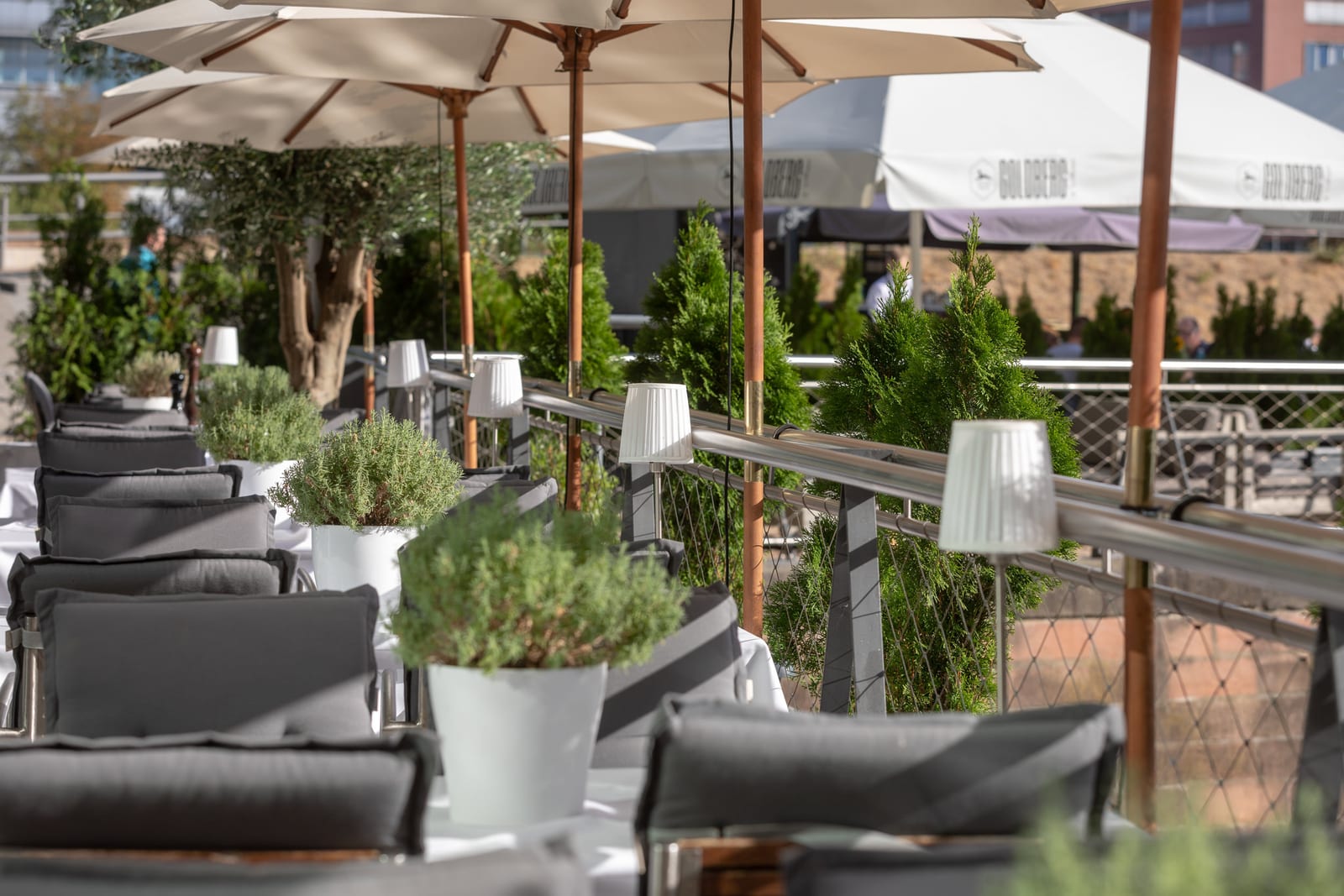
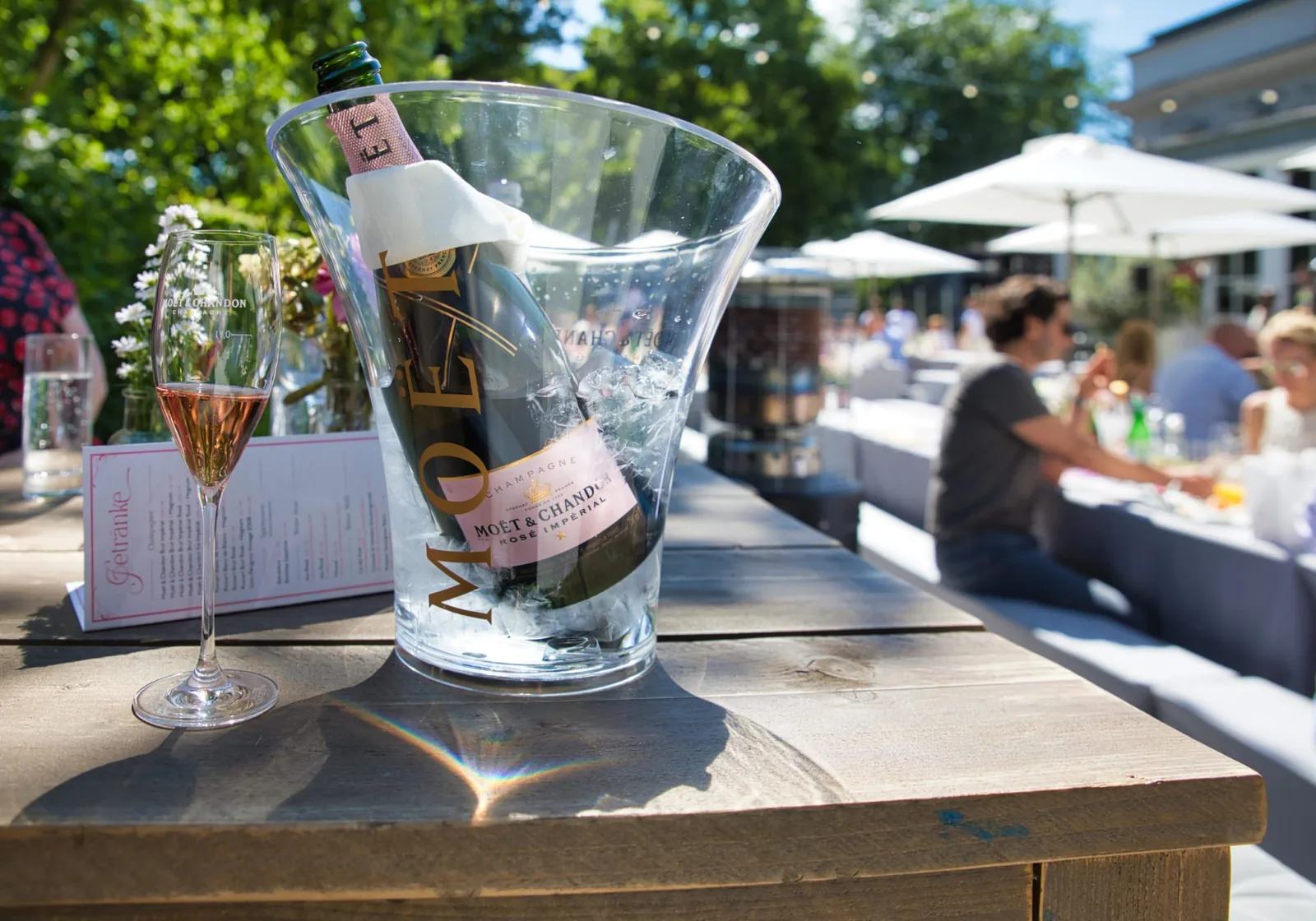
- terrace or garden
- laid tables
- the details that make the place
- kitchen and preparation
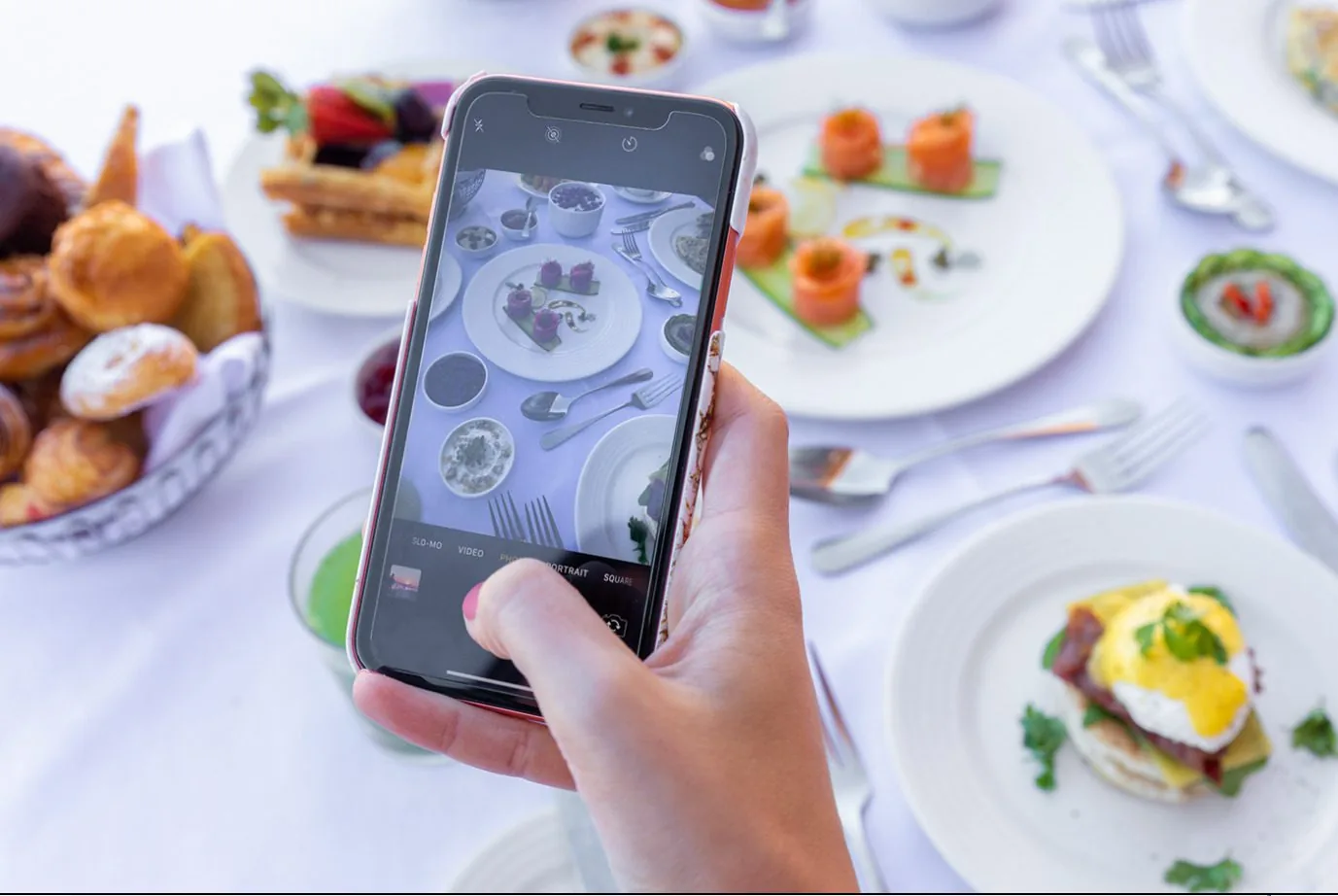
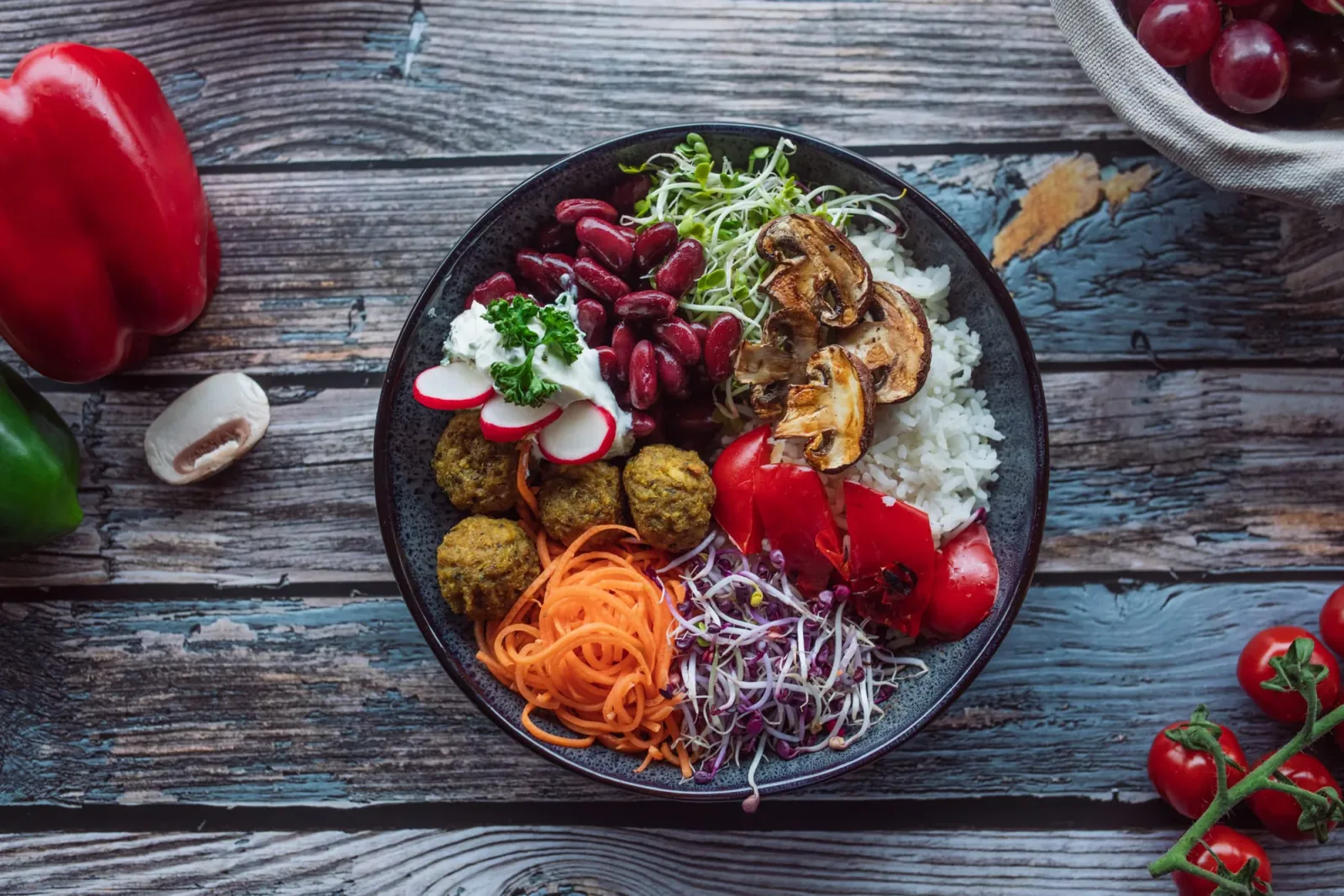
- individual dishes
- menus and combinations
- drinks and cocktails
- head chef and staff
- service at the table
- rooms used for functions
- group shots and portraits
Photographing the whole menu in one appointment is rarely worthwhile. A handful of dishes that carry the concept says more than a long row of similar plates.
Choosing the dishes
Photograph the dishes that stand for the house: the specialties, the plates that are ordered most often, and whatever sets the kitchen apart from the restaurant next door.
These questions help with the selection:
- Which dishes stand for the concept?
- Which ones are ordered most often?
- Which offers matter commercially?
- Which dishes also look good in a photograph?
- Which seasonal dishes stay on the menu for a while?
- Which subjects are needed for advertising or the press?
A dish that leaves the menu the week after the shoot deserves priority only when it belongs to a campaign that is already planned.
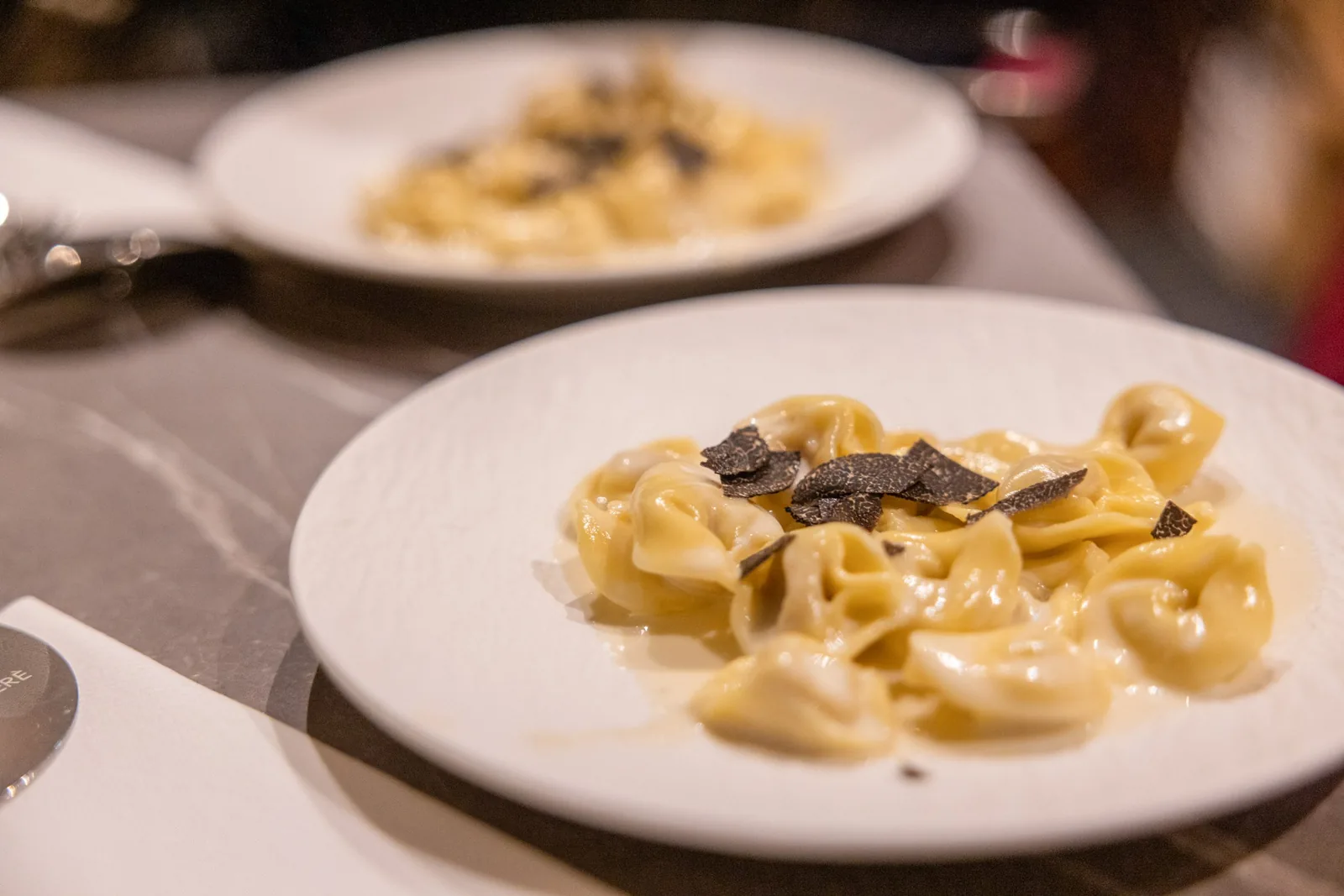
Timing the kitchen and the camera together
Food changes fast. Sauces dry at the edge, ice cream melts, herbs wilt and anything warm changes its surface. So a plate should be finished only once the camera, the light and the frame are ready.
A sensible order of work:
- Prepare the surface and settle the angle.
- Choose the plate, the cutlery and the props.
- Test the light and the camera.
- Tell the kitchen the shot is coming.
- Plate the dish fresh.
- Take the main frame straight away.
- Then the additional angles and the details.
The kitchen should know the order in which the dishes are needed. That is what removes the waiting and the plates that have to be made twice.
Keeping the plate honest
Food photography should make a dish attractive. It should also match what the kitchen actually serves.
A guest expects the plate that arrives to look broadly like the one on the website or the menu. Ingredients, portion size and plating are therefore not things to change for the photograph alone.
A clean rim, fresh ingredients and careful placement improve the picture without making a promise the kitchen cannot keep.
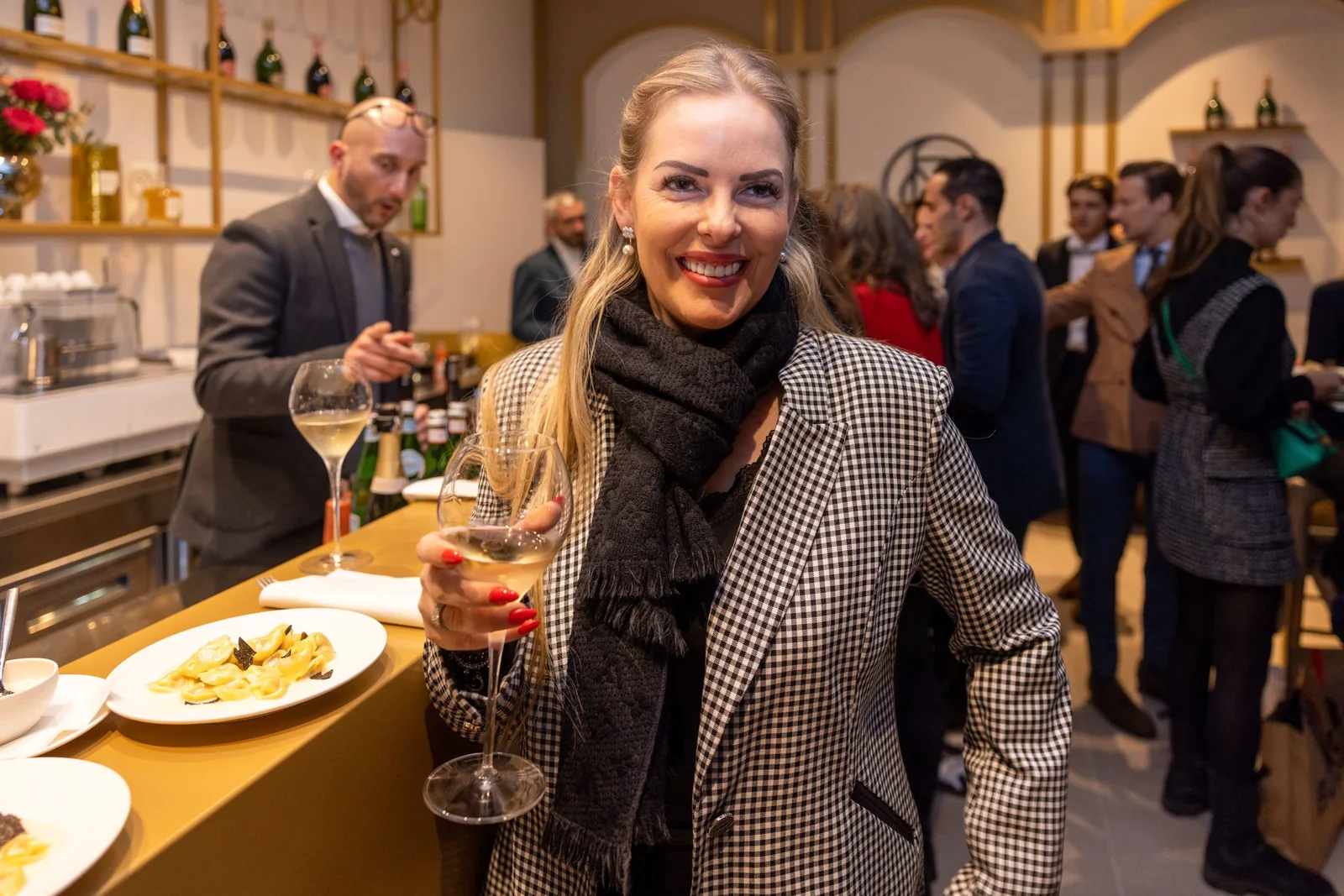
Choosing plates and surfaces
Plates, glasses, cutlery and table tops carry as much of the picture as the food does. They should suit the style of the house and the dish in front of the camera.
Worth checking before the shoot:
- Are the plates and glasses free of scratches and fingerprints?
- Are there identical spares?
- Does the color of the china suit the dish?
- Are the table tops and surfaces clean?
- Are napkins or table linen needed?
- Which props suit the brand as it already looks?
- Are distracting logos or maker’s marks visible?
Too many props pull attention away from the plate. A small, well-chosen set is usually enough.
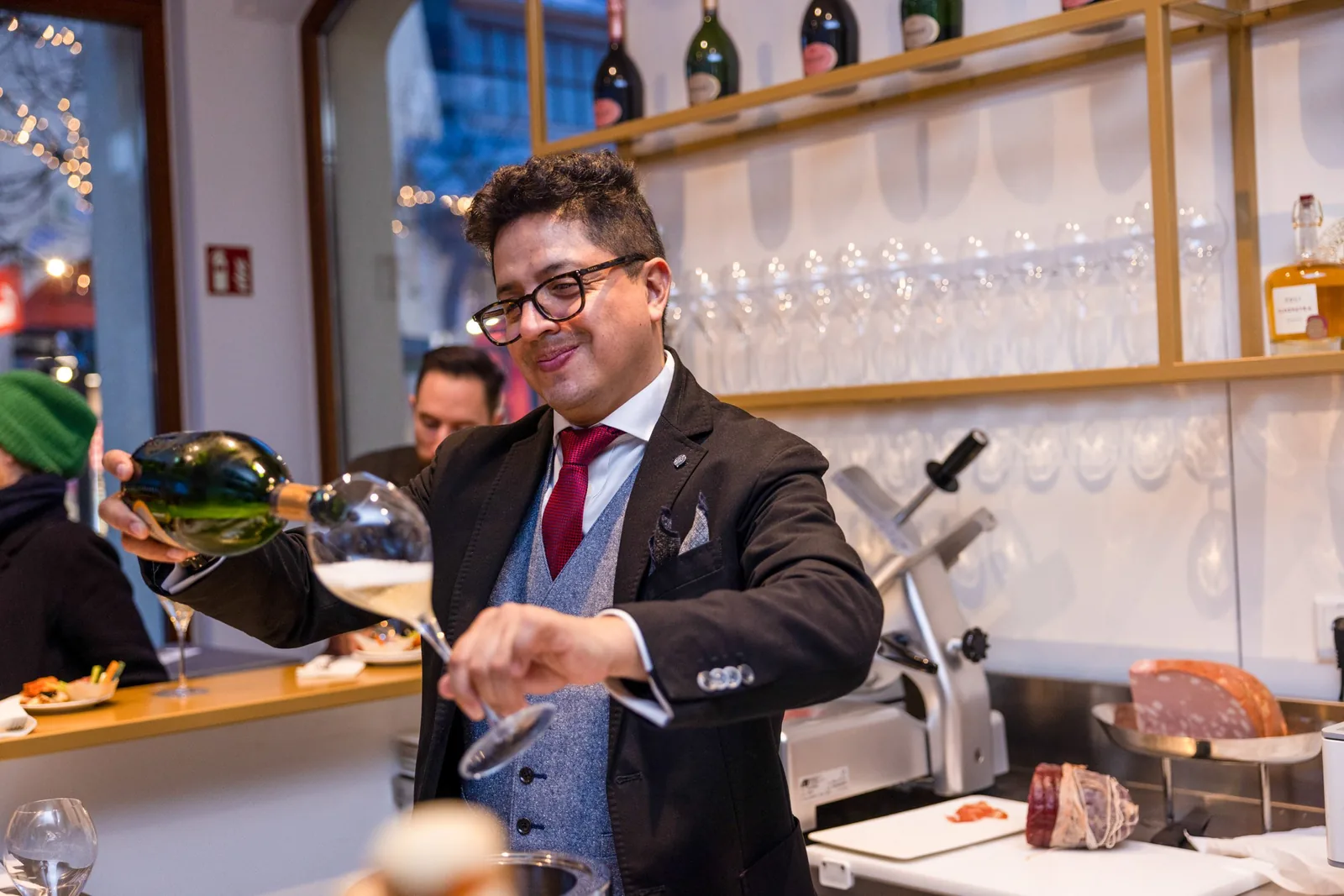
Preparing the dining room completely
A photograph shows every irregularity at once. Before the frame is taken, tables and chairs should line up, and menus, glasses, cutlery and napkins should add up to one consistent picture.
A few more things to check:
- The lamps work and carry matching color temperatures.
- Windows and mirrors are clean.
- Personal belongings have been cleared away.
- Cables and cleaning equipment are out of frame.
- Plants and decorations are in good condition.
- Signs stand straight.
- Coats, bags and delivery boxes are gone.
- The outside areas and the entrance are ready.
The dining room is usually best photographed before opening or between two services.
Letting people carry the atmosphere
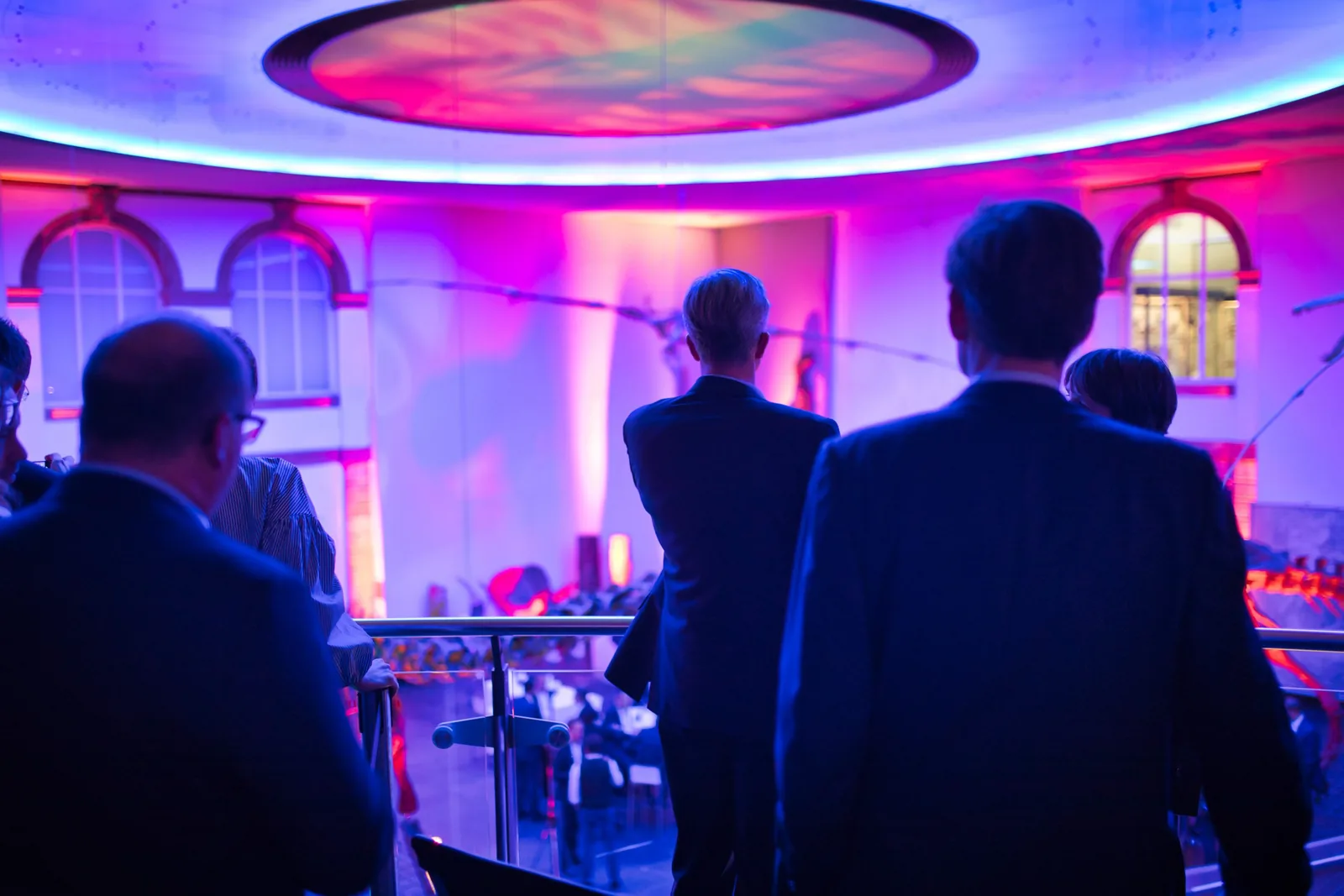
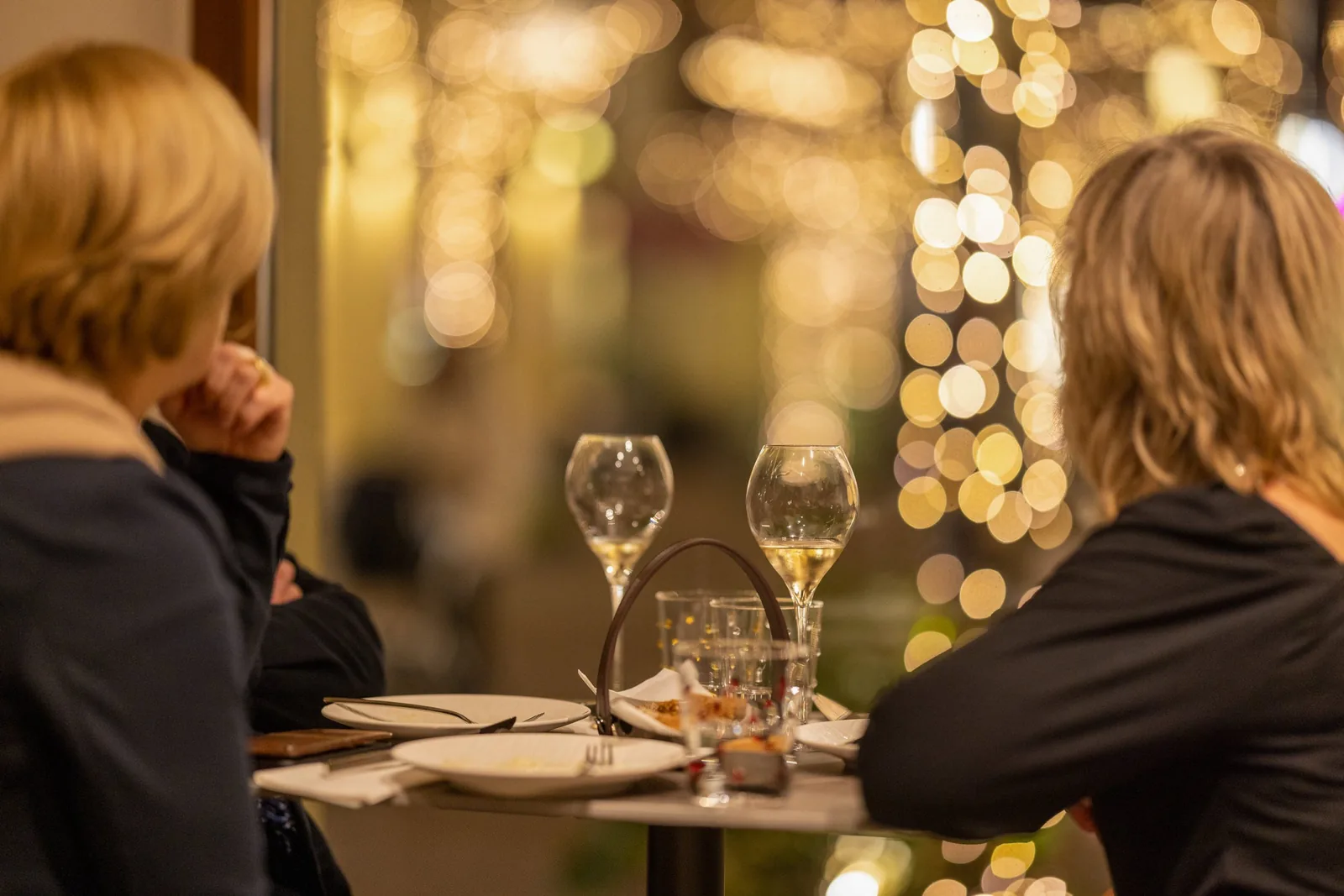
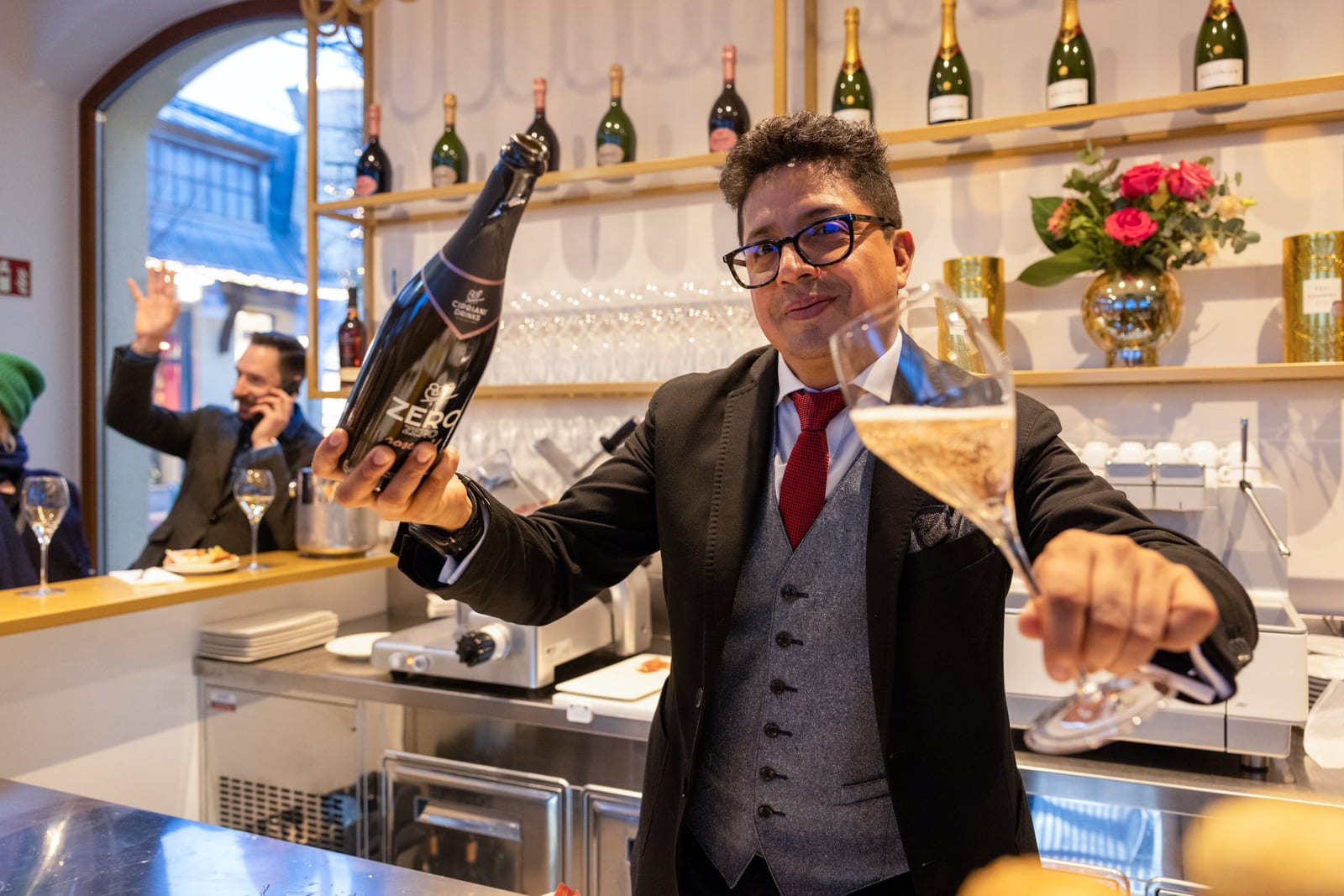
An empty dining room shows the architecture and the furniture, and it can read cold. Pictures with staff, or with a few guests, show the place in use.
Situations that work:
- the welcome at the door
- a waiter advising a table
- a dish being served
- preparation in the kitchen
- a toast at the table
- a conversation at the bar
- work at the coffee machine
- the head chef plating
These scenes should look like the house on an ordinary evening. Too many people in one frame pull attention away from the room or the plate.
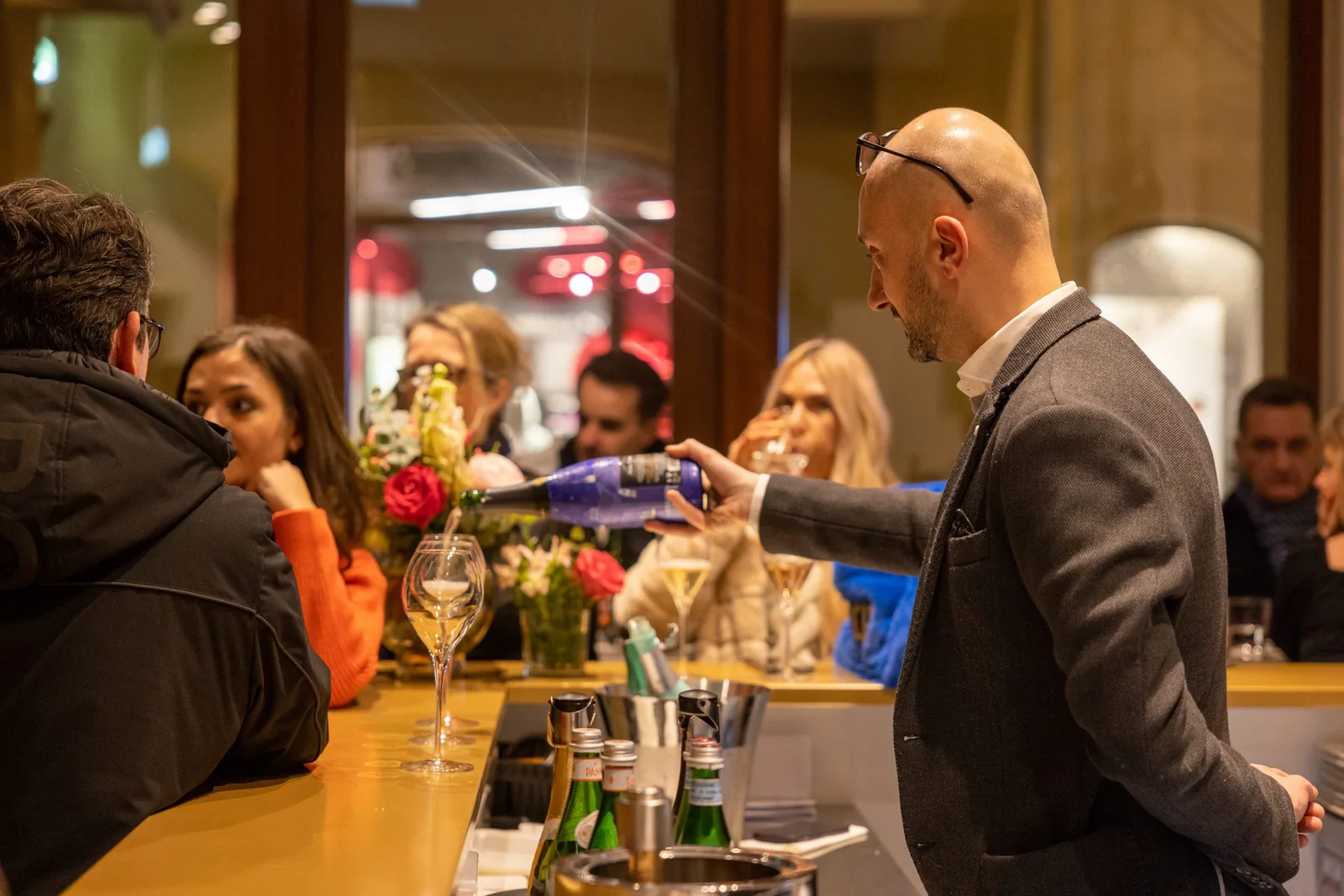
Briefing the team
If the team is being photographed, everyone involved should know when and how. Uniforms have to be complete, clean and consistent.
Settle these in advance:
- Which members of staff will appear?
- Are individual portraits needed, or people at work?
- Should name badges be worn?
- Do kitchen and service wear different clothes?
- Who signs off on using the pictures?
- Which tasks should be shown?
A short briefing saves time on the day and holds the look of the series together.
Planning the exterior and the hour
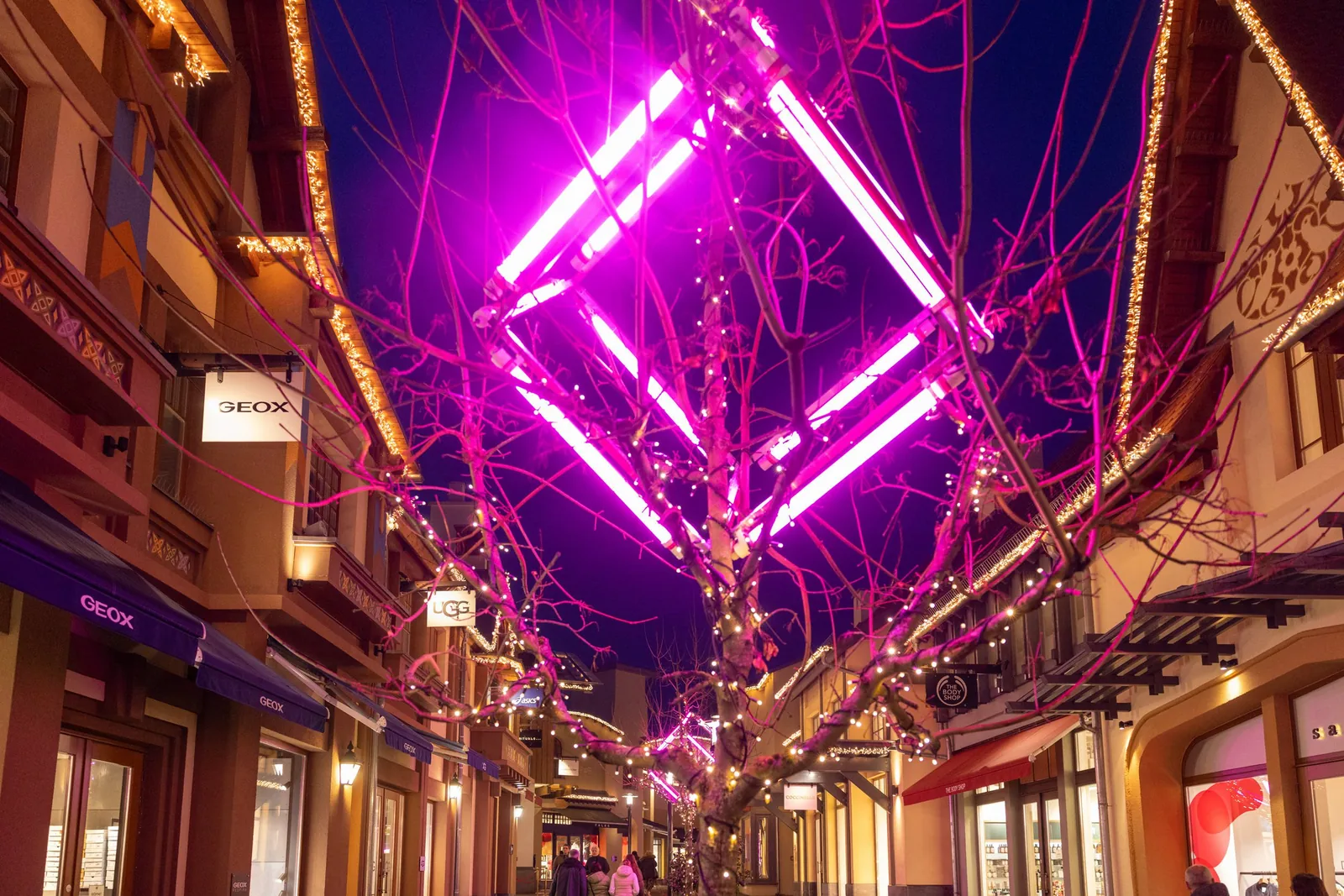
The facade, the entrance and the terrace depend on the weather and on where the sun is. Hard midday light drops awkward shadows. Dusk, on the other hand, often gives a warm mix of interior and exterior light.
Before the exterior frames:
- the entrance and the windows are clean
- all tables and chairs are out
- the parasols are lined up
- menus and A-boards have been checked
- distracting vehicles have been moved where possible
- the outdoor lighting and the signage work
Where a subject depends heavily on the weather, a fallback date is worth agreeing in advance.
Planning for Google and social media
Not every subject works everywhere. Google rewards clear frames of the facade, the entrance, the dining room and the food. Social media allows something looser and more varied.
So alongside the classic subjects it is worth recording:
- close-ups during preparation
- hands while plating
- short sequences behind the bar
- seasonal decoration
- team members at work
- a set of portrait-format frames
- pictures with empty space for text
- small series around a single dish
Planned that way, one shooting day produces material for several weeks or months.
The mistakes that keep repeating
Most of these are avoided by preparation alone:
- too many dishes booked into one appointment
- plates finished before the set is ready
- mixed color temperatures in the dining room
- fingerprints on glasses and cutlery
- busy backgrounds
- props that do not match the house
- no portrait-format frames at all
- deliveries or cleaning equipment in shot
- staff who were never told
- a shot list with no priorities
A clear order of work matters more than the sheer number of different subjects.
Checklist for the shooting day
Before the first frame, these should be done:
- The key dishes and drinks are decided.
- The kitchen knows the order and the schedule.
- Ingredients and props are all in the house.
- China, cutlery and glasses have been checked.
- The dining room and the outdoor areas are ready.
- The staff have been told.
- Uniforms and work areas are clean.
- Every lamp works.
- One person on site is responsible for decisions.
- The formats needed have been agreed.
- Where the pictures will be used is known.
Asking about restaurant photography
A good set of pictures shows more than the food: it shows the whole experience of a restaurant — the kitchen, the rooms, the service and the atmosphere.
Examples from previous productions are in my project overview. For a plan of your own, send me a few details about the restaurant, the subjects you want and where the pictures will be used.
Is your restaurant due for new photographs?
Scope and price are fixed before anything is photographed or filmed. The inquiry commits you to nothing.