Food Photography Tips for Beginners
Published
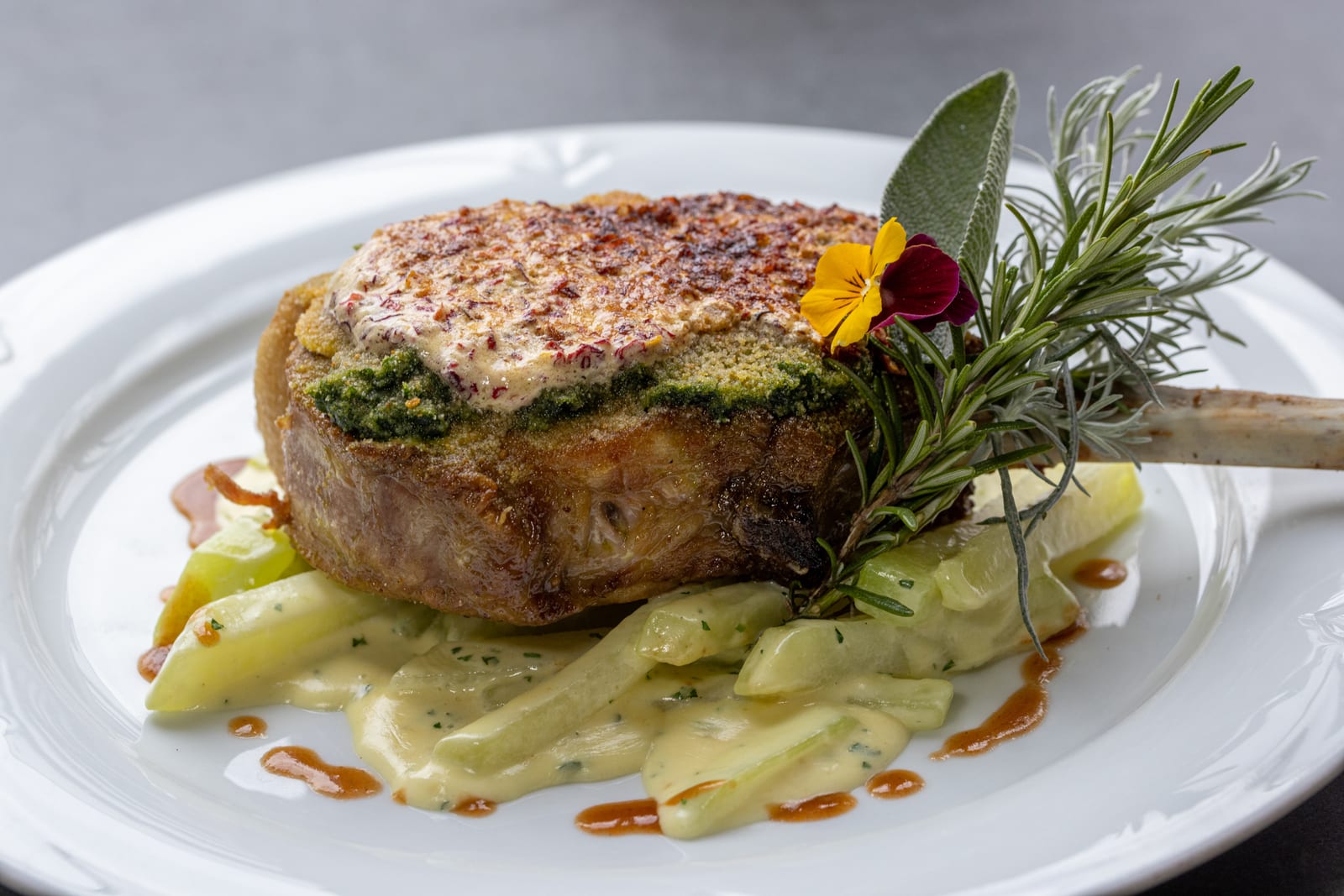
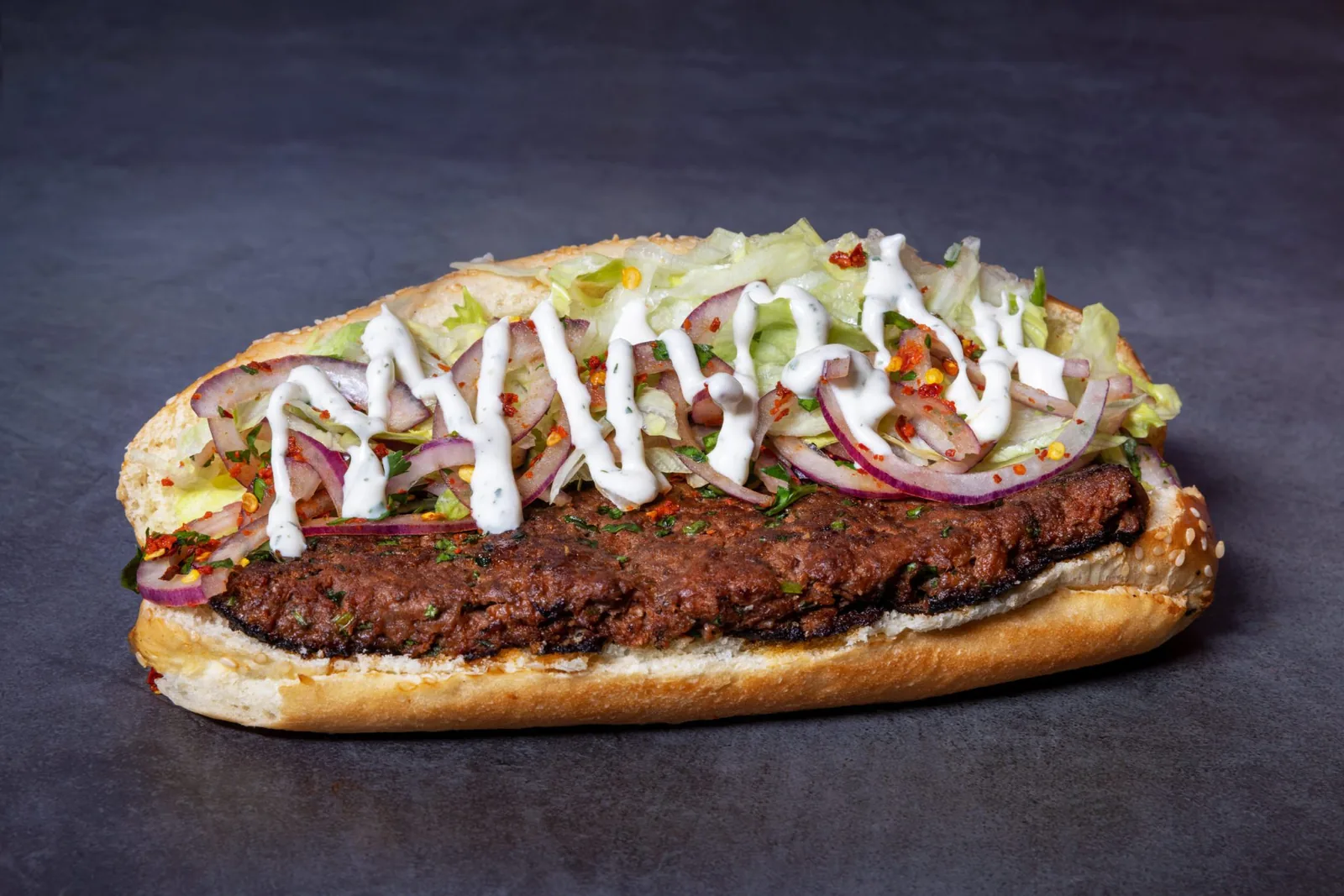
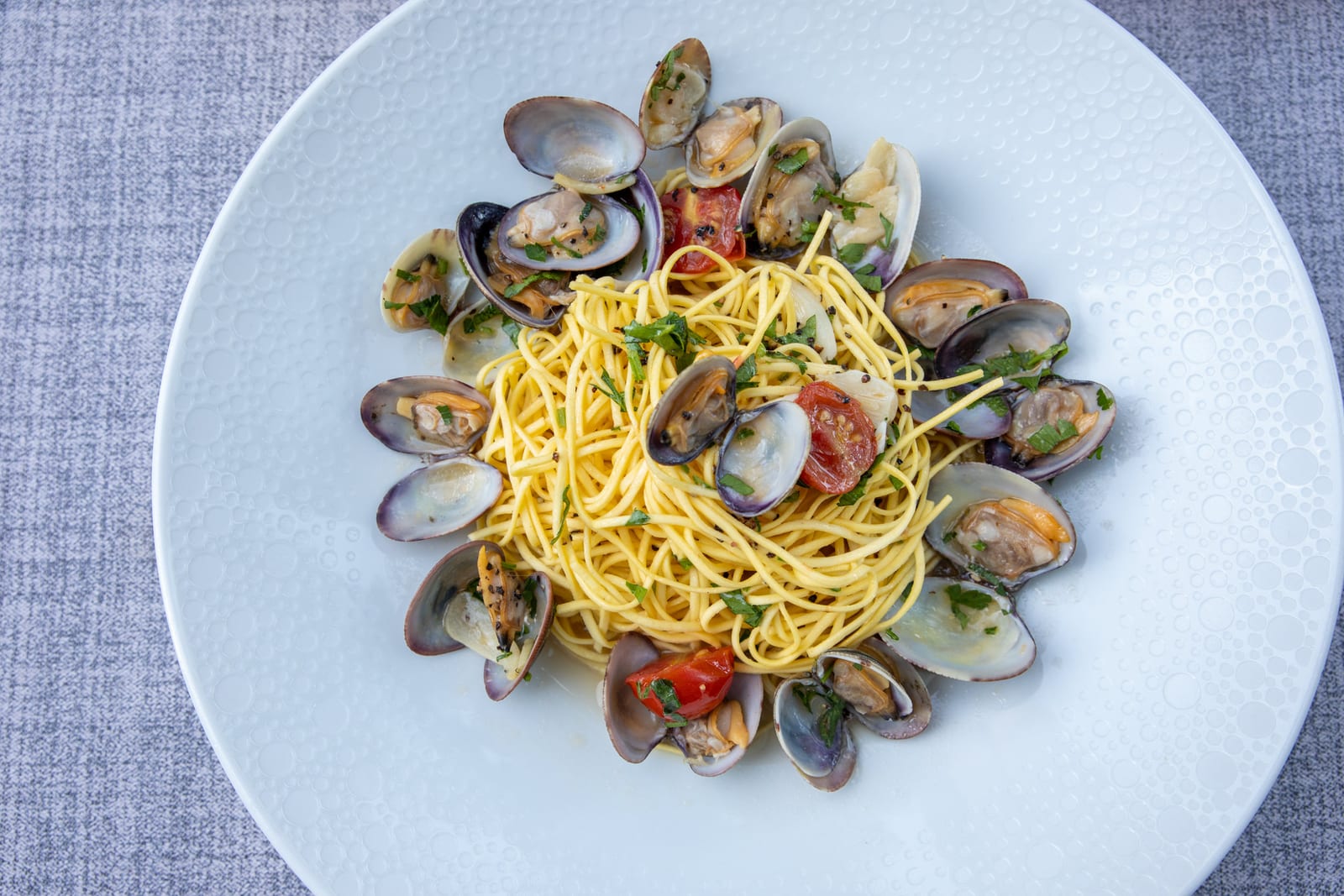
High-quality photos are crucial for the success of a restaurant/café. I assume that if you’re reading this article, you own or work in a restaurant / café and want better social media reviews. Here you’ll find tips for taking captivating photos for your marketing. This also applies, of course, if you’re a beginner food blogger just looking for some food photography advice
Natural Light
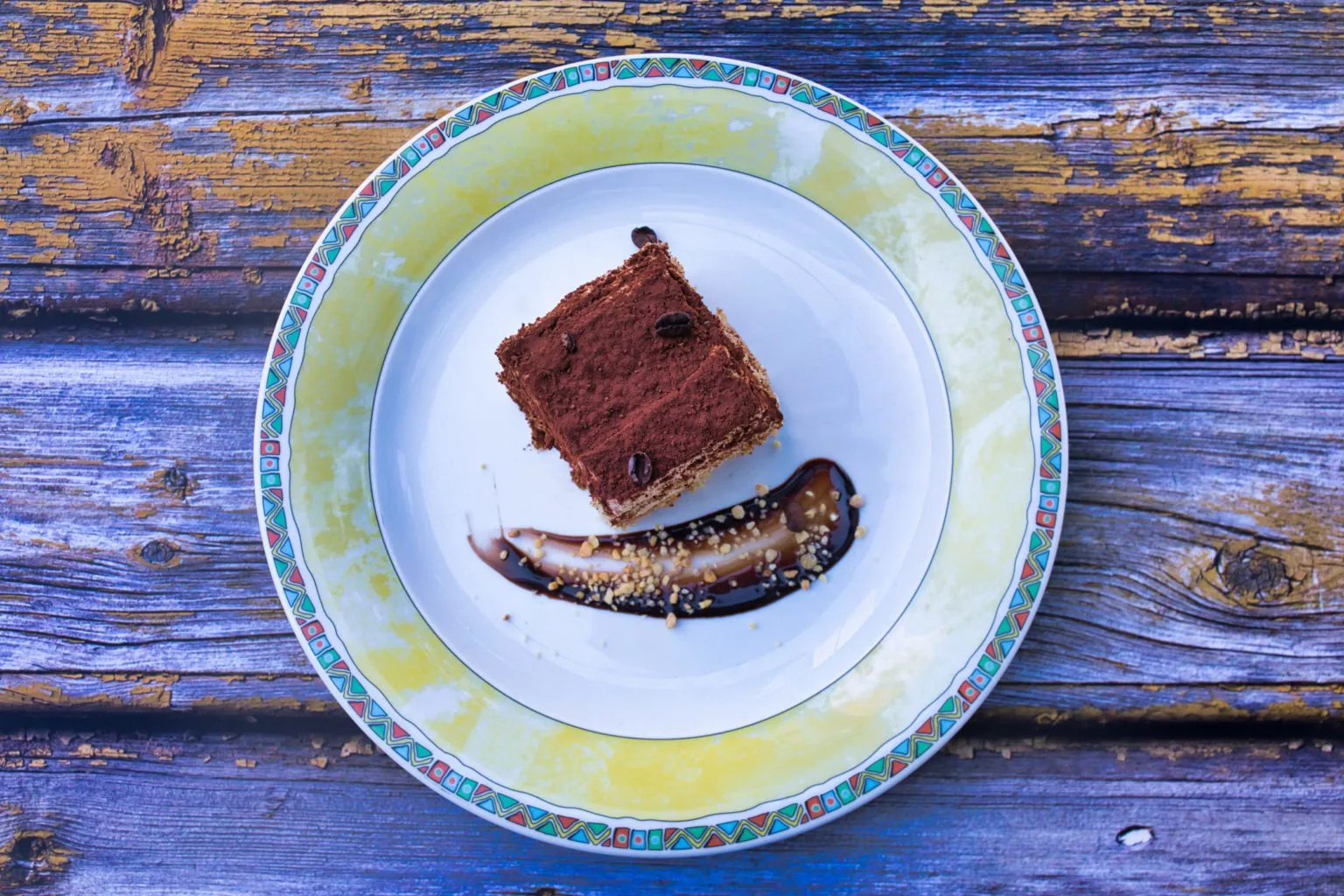
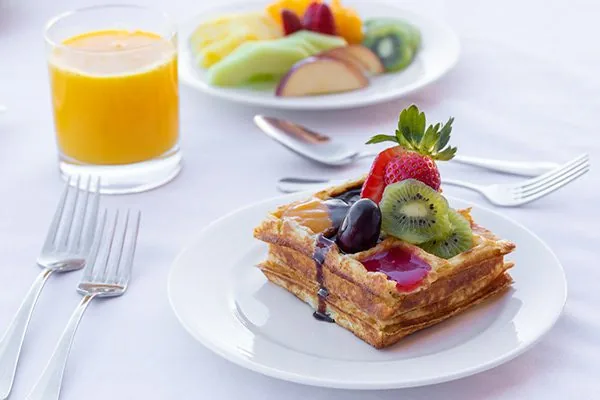
Natural light is the key to creating high-quality food photography. This is especially true if your restaurant, café, or venue lacks specialized studio lighting setups. Attempting to use ambient lamps or flashlights in low-light environments often results in unusual color casts, harsh shadows, or flickering. Natural light consistently produces far superior results. Overcast days are ideal for shooting with natural light. The cloud cover acts as a massive natural softbox, scattering light evenly and softening shadows across the plate. Direct sunlight, by contrast, can create intense highlights and harsh contrast that distract from the food.
Food Styling & Composition
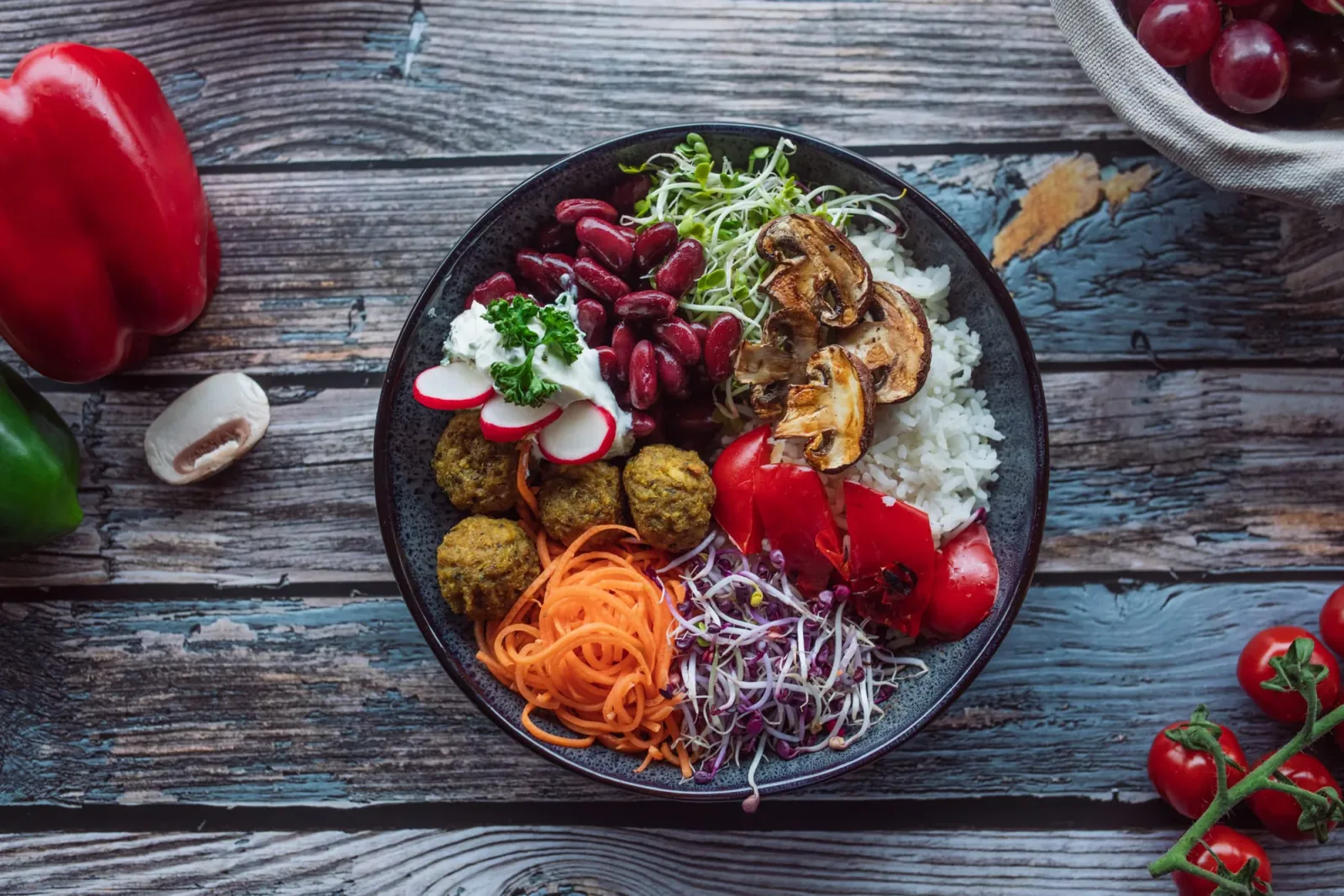
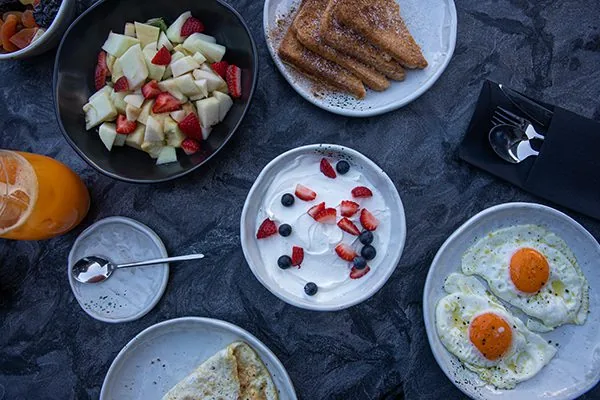
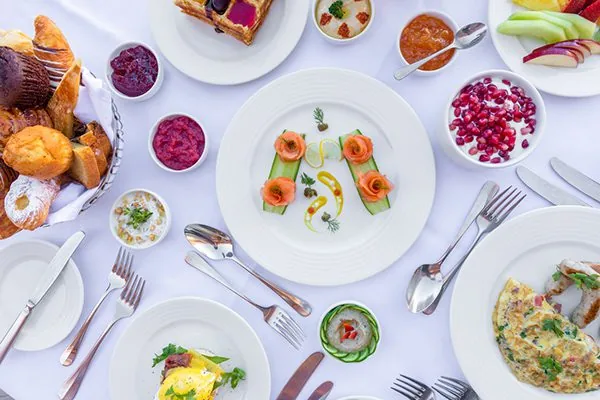
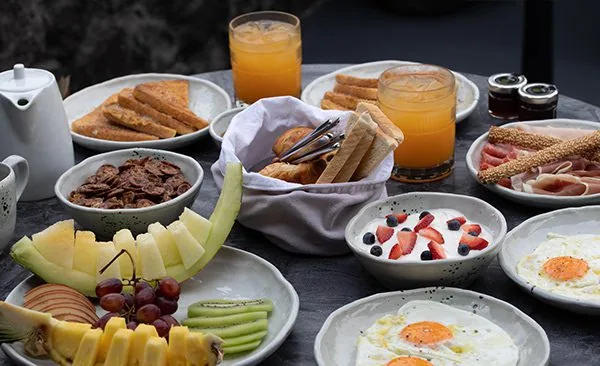
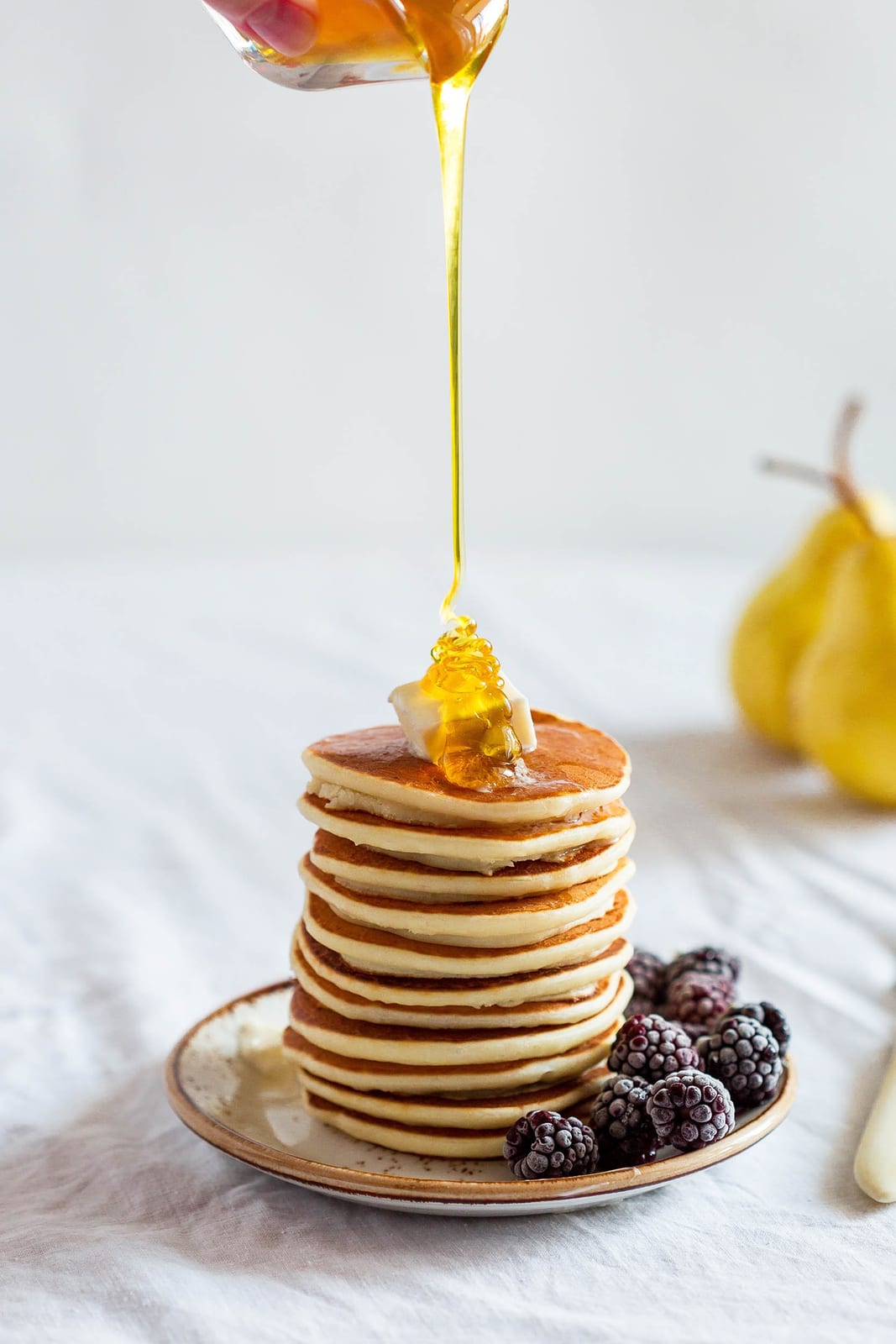
Take time to browse inspiration on platforms like Instagram or Pinterest. Props such as matte linens, vintage cutlery, or fresh preparation ingredients help eliminate negative space while enriching your brand's unique narrative. When composing your shot, don't feel obligated to keep everything strictly centered. Applying compositional principles like the Rule of Thirds leads to more dynamic, natural, and visually engaging food imagery.
If You Have a Camera, Learn How to Use It
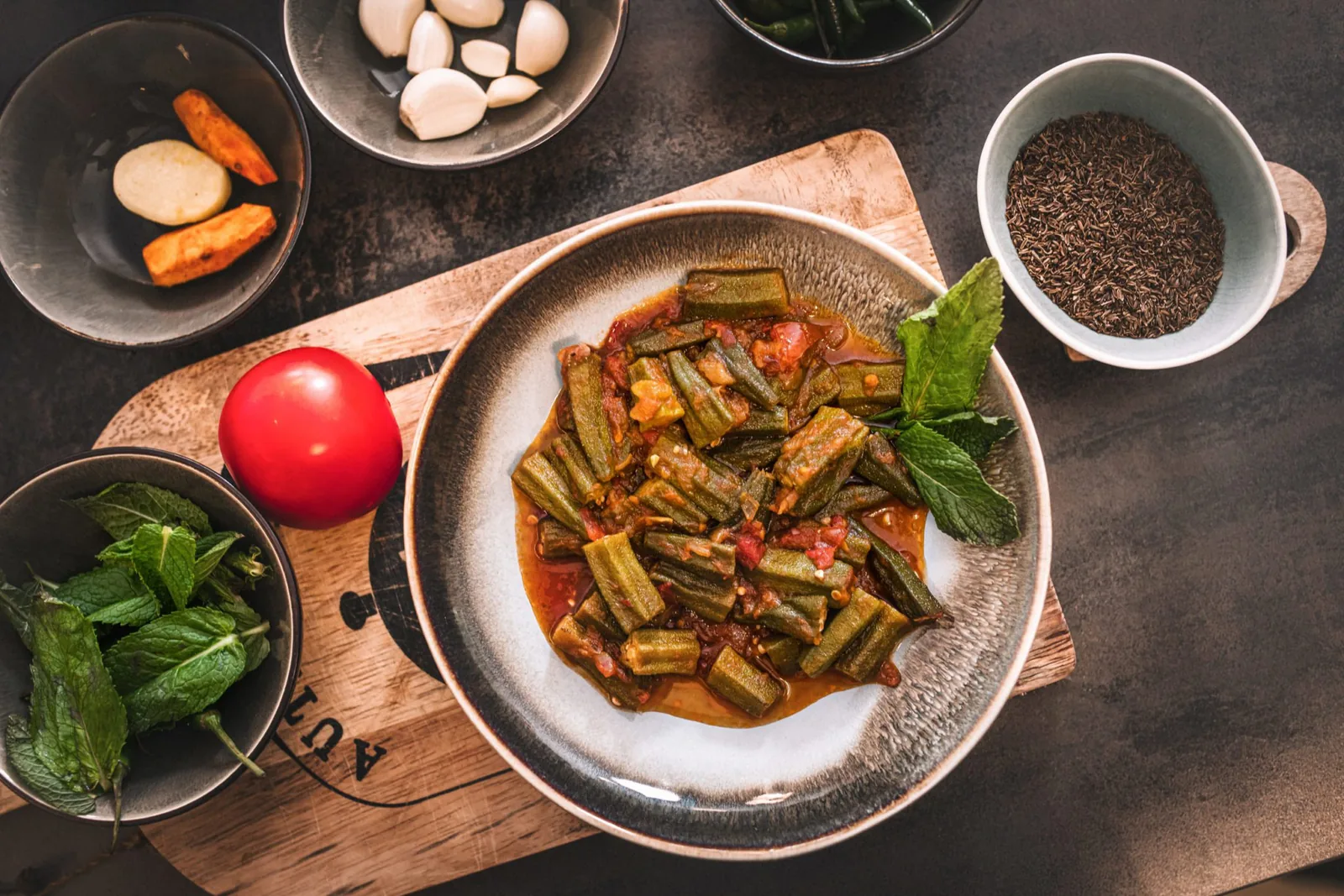
If you own a dedicated camera, learning its manual settings will yield vastly superior results compared to a smartphone. Adjusting ISO, shutter speed, and aperture gives you full creative control over depth of field and lighting balance. To achieve a dreamy background blur (bokeh), open up your aperture. For crisp detail, keep your shutter speed fast (e.g. 1/200s). If scenes remain too dark despite adjusting all three parameters, artificial lighting setups become essential.
Hire a Professional Food Photographer
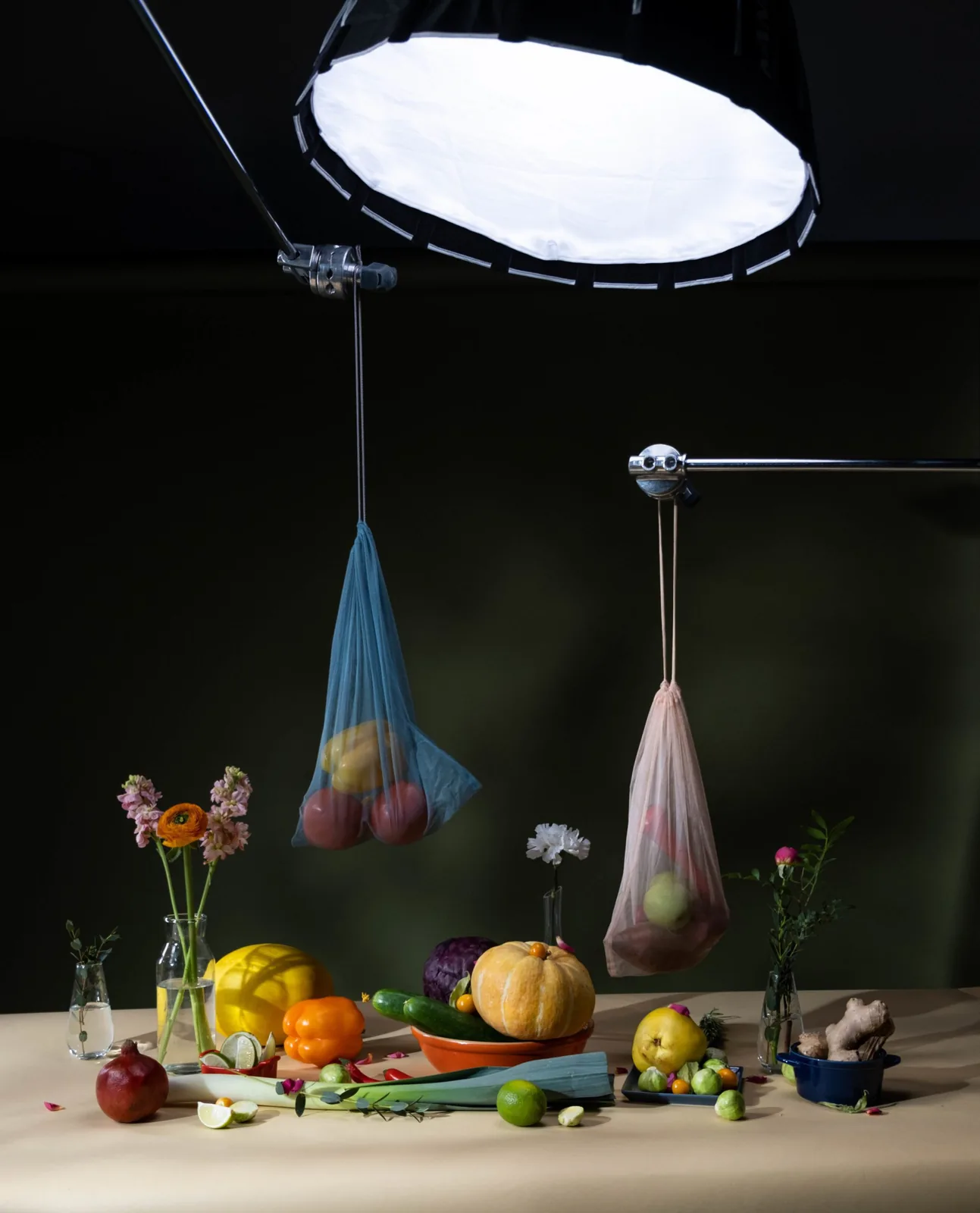
Hiring a professional food photographer is likely the single best marketing investment for your restaurant or food brand. A seasoned photographer understands lighting, styling, and post-processing techniques required to capture irresistible culinary visuals. We love bringing your culinary vision to life. With our professional food photography services, we provide all high-end studio equipment and deliver fully retouched, high-resolution imagery promptly.
Want your dishes photographed?
Scope and price are fixed before anything is photographed or filmed. The inquiry commits you to nothing.