Corporate event shooting tips

Corporate event shooting tips

Published

Photographing a corporate event can be a real challenge. But with the right planning and preparation, you can master the situation perfectly. Here are professional tips to make your shoot flawless and unforgettable for your client.

1. Ask the organizer for the full event schedule

1. Ask the organizer for the full event schedule

A photographer needs to know what will happen when it happens and who the key people are to photograph. Having the complete event schedule saves a lot of time planning the shoot and allows you to organize the moments to be captured in the right order. This way, you can also capture every important moment for your client.

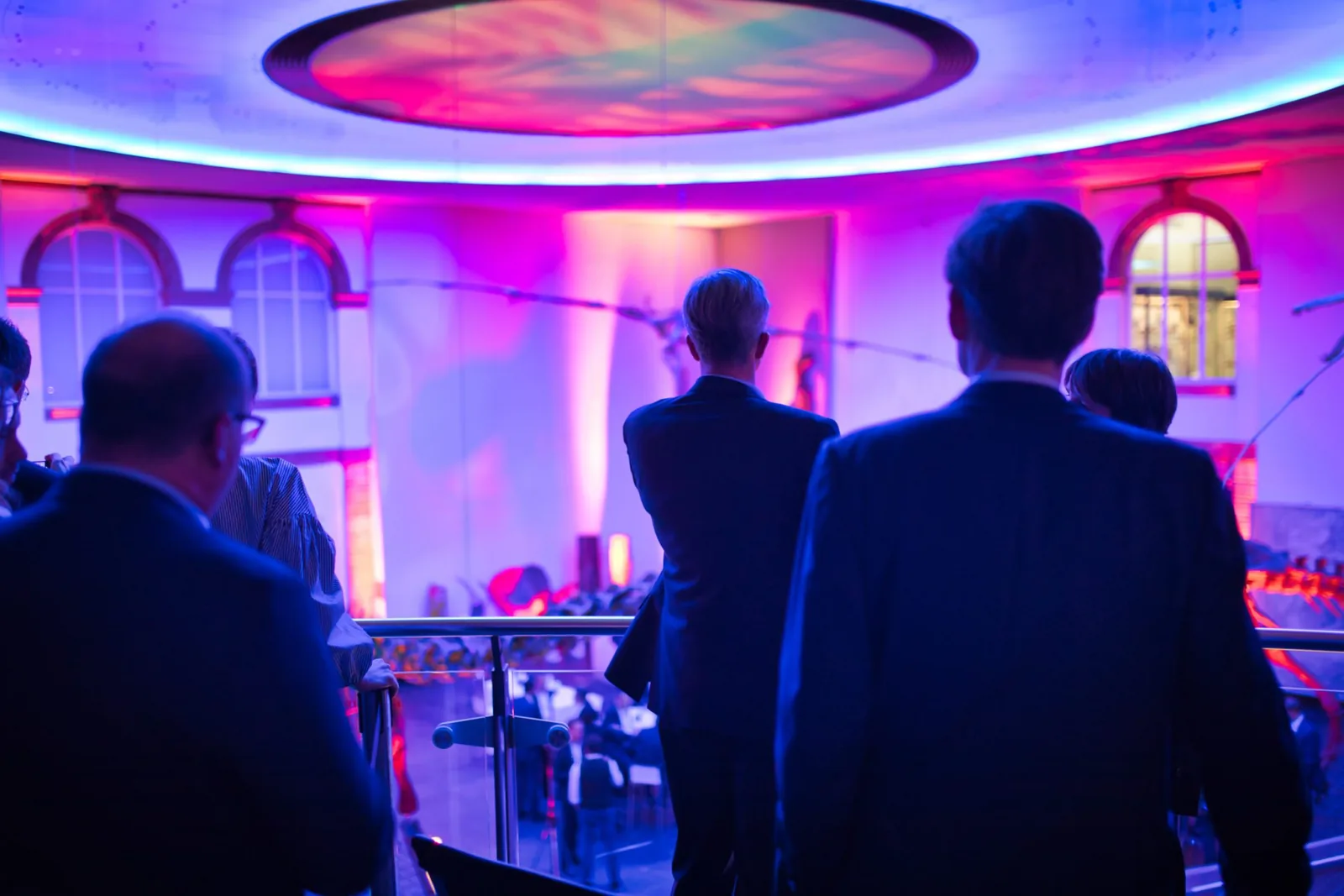
Most corporate events are held indoors in dimly lit rooms. If you are unsure, I recommend visiting the venue before the main event and analyzing the lighting conditions beforehand.

If you familiarize yourself with the location and lighting conditions before filming, you can avoid the shortcomings of situations with low light and poorly lit subjects.

Knowing the event schedule offers another advantage: it helps you choose the right equipment and prepares you to avoid possible mistakes and errors.
2. The Right Gear for the Job

2. The Right Gear for the Job

To shoot a corporate event perfectly, you don't always need the fanciest equipment.

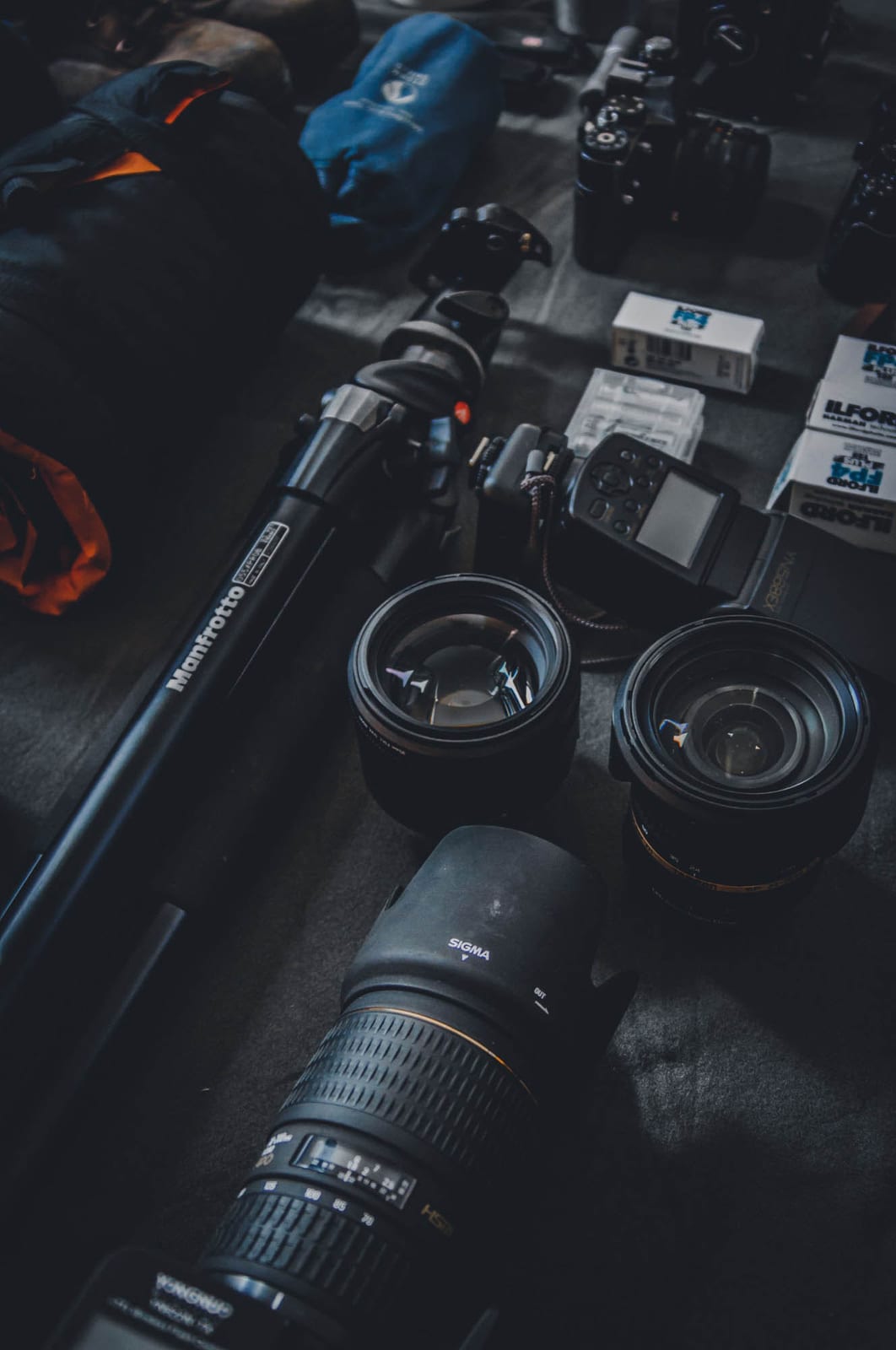
An external flash unit with reflector or diffuser, a full-frame DSLR with a mid-range zoom, memory cards, and extra batteries are the key items you should carry with you.

If the event is organized in a large banquet hall, a telephoto lens must be considered; on the contrary, in the case of a compact venue, a wide-angle lens is a necessity for you.

3. Arrive Early for Pre-Event Shots

3. Arrive Early for Pre-Event Shots

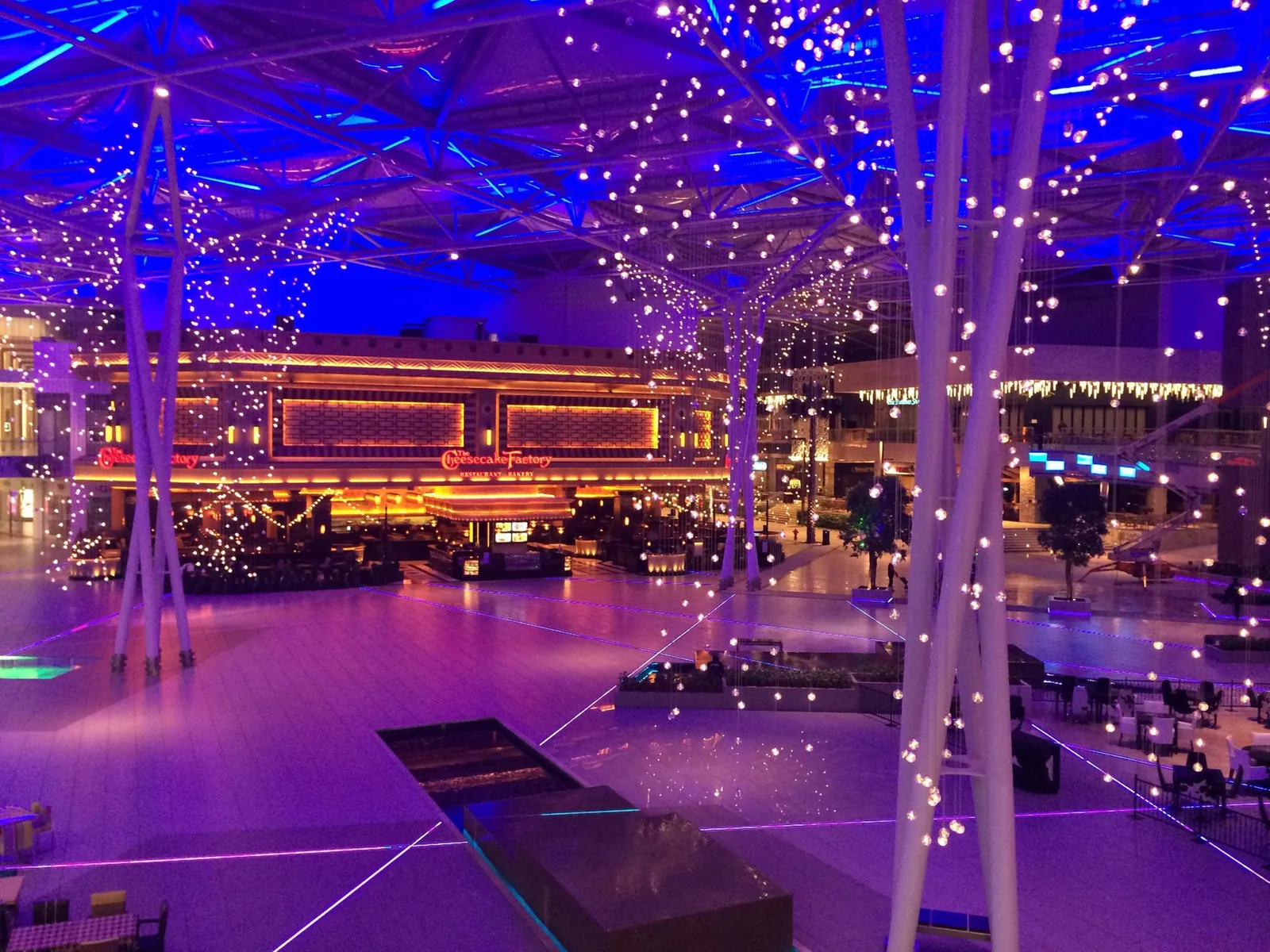
Before the event officially starts, you have the opportunity to capture the empty venue, decorations, branding elements, and setup undisturbed. These photos are extremely valuable for organizers and marketing agencies.

In addition, arriving early gives you time to familiarize yourself with the lighting conditions in advance and make final adjustments with the team on site.

4. Use RAW Image Format for Shooting

4. Use RAW Image Format for Shooting

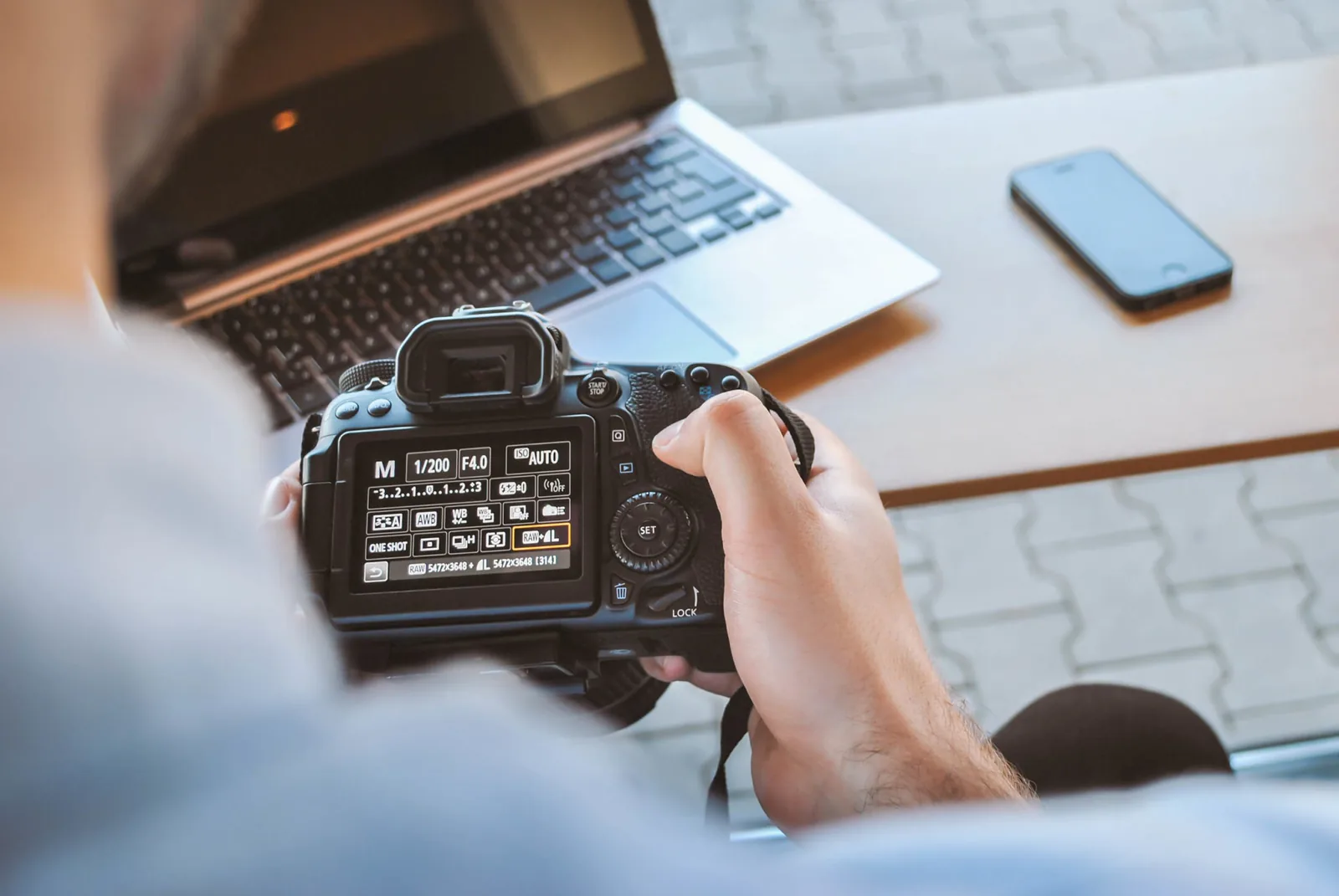
This of course always applies and is a must. If you want to gather images of the highest quality, you should shoot in RAW format. RAW format helps you record all data from the sensor, giving you the highest possible image quality you can achieve. Especially in low light conditions, adjusting JPEG format with Photoshop or Lightroom would be tedious. Using RAW format makes your job easier when correcting over- and underexposed photos.

While it is important to get photos of attendees enjoying the event, getting more abstract shots not focused on individuals is also key. This is quite important if you use your event photography for marketing purposes. Both focused and abstract photos have their own value and appeal.

5. Do Not Interrupt Important Conversations

5. Do Not Interrupt Important Conversations

One of the most important tips for covering corporate event shoots, which is also basic etiquette. Body language and facial expressions are enough for a photographer to recognize when an important conversation is taking place. If you feel a crucial or important conversation is happening, try to capture it in a way that doesn't interrupt those involved. Also ensure your presence around them doesn't question your intentions while taking photos.

Who knows if a click at the wrong time costs your client a fortune? So you better be vigilant and polished.

6. Do Not Take Photos of People Eating

This is one of the biggest mistakes photographers make when covering corporate events. Photos of people putting food into their mouths or when their mouth is open. You will never want to show these pictures to your clients and audience, simply avoid it.

Example image: Event photographyRelated serviceEvent photography