10 tips for photographing a business conference
Published
A conference is a good place to sharpen your documentary technique in a controlled setting. You might even learn something from the talks along the way.
For me a business conference is above all about building a strong relationship with the client. Open communication is the key. Your needs and theirs may differ, and not every decision will be made with you in mind, so stay flexible. Poor lighting or a packed schedule may not be what you would choose, but if you can work well with your client you will still come away with great pictures.
1. The preparation
Before anything starts, get hold of the conference hosts or whoever booked you and talk the day through. Ask them for the agenda so you know where you need to be and when. That gives you enough lead time to set up and to find your best angles. Several sessions may run at once, so being organized pays. It is also the moment to check the exact requirements: ask in advance how many pictures they want and in what style they should be delivered. On a business conference everyone — the organizers above all — is busy on the day, so learn as much as you can beforehand.
2. Work discreetly
Your photographs are not the most important thing happening in the room. The audience has spent money and time to hear the speaker, so do not draw attention to yourself, get in the way, or block anyone’s view. Staying unnoticed is partly a matter of smart photographic choices. A shutter click really does distract, particularly in the key moments of a talk; a compact mirrorless or a rangefinder with a silent shutter is ideal. Flash is even more disruptive. If you cannot work without it, agree it with your contact in advance and find a compromise — for example, using flash for the first minutes of each talk and then staying out of the way. Ideally tell the speaker too, so it does not take them by surprise.
3. Work with confidence and intent
You can count on moving around a lot at a conference to get good pictures and catch the key moments. When I started, I was unsure where to put myself and mostly stayed at the back of the room. I was afraid of disturbing the proceedings — and as a result I could not make a set of pictures that told the story of the event truthfully. With a camera in your hand you have the perfect excuse to move discreetly wherever you need to be.
The speaker and the stage do not move, so it is up to you to find angles and perspectives. Before it starts, pick out a few easily reachable spots where you are in nobody's way but have a good view of the presentation. Then you know in advance when and where you will move, and you can work with confidence from there.
4. Bring a fast telephoto
However freely you can move, you will want to catch the speaker’s expression and gestures. Standing at the back of the room, or looking up at the presenter from directly below the stage, makes high-quality pictures hard work without the right kit — and most of the room will almost certainly be lit poorly for event photography. Pick up a lens like a 70–200mm f/2.8 and you give yourself the best chance of pictures that meet your own standard.
5. Be patient, then decisive
The first time I photographed a business conference I thought I had to be everywhere at once and record everything that happened. In reality a few deliberate pictures are worth far more than a pile of unconsidered ones. With presenters especially: find a good vantage point, frame the picture, hold the camera steady and wait for the moment — the expression, the gesture, the look that says who they are. Waiting for the right moment really does pay off. Just do not miss it when it comes.
6. Watch for important guests and introductions
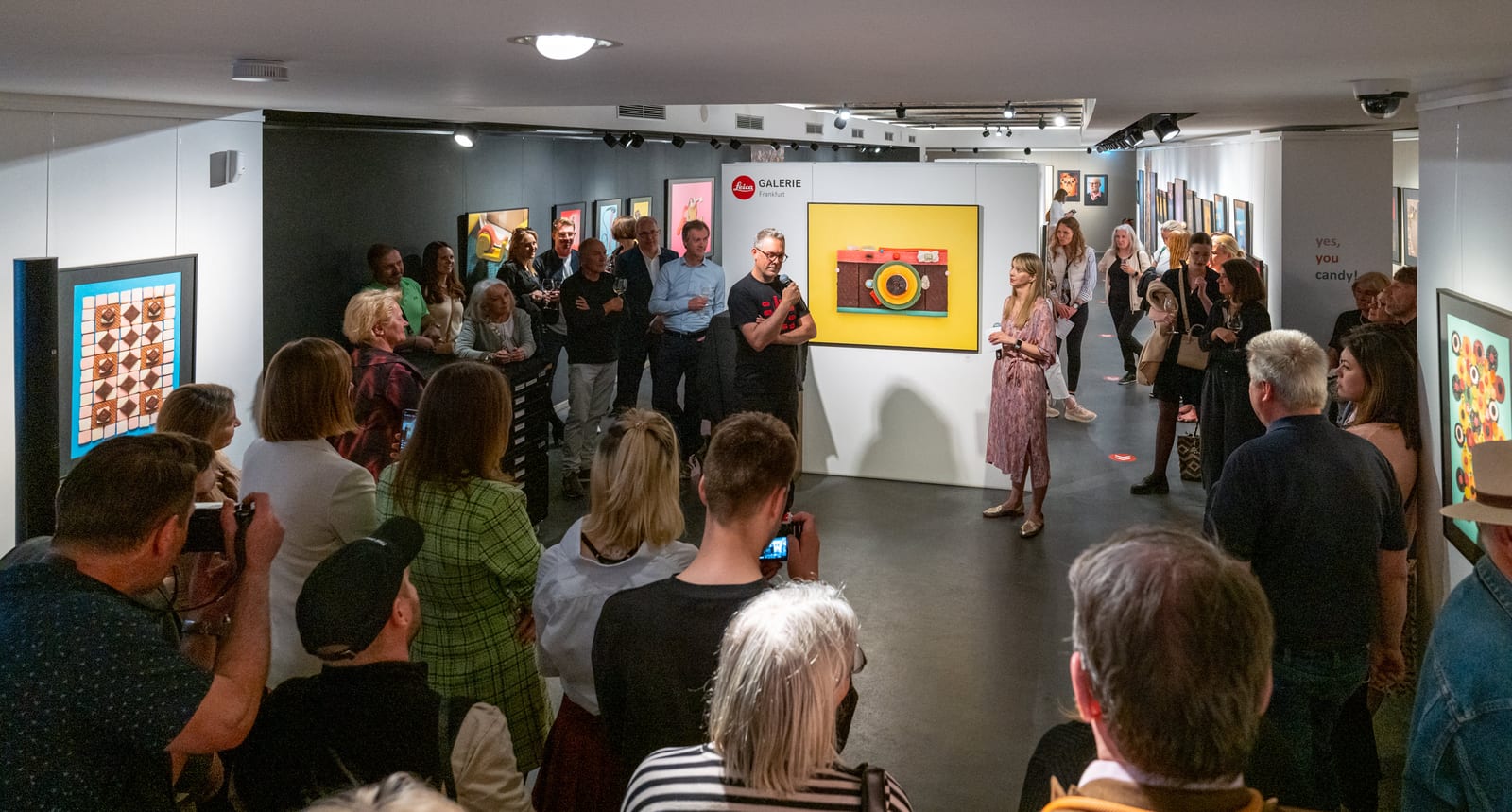
Do not miss the chance to photograph important guests with their company logo, or alongside representatives of the company. Conferences are about connecting businesses, so document that, and keep an eye on the significant things happening in the room. Since you cannot know or recognize every guest, it matters all the more to follow the conversations in case one of them is a connection worth having on record.
7. Tell the story
Let your pictures follow the shape of the day. The agenda is built as an ebb and flow of activity, but keep working through the quiet stretches too. Make sure you cover a broad cross-section of the people there. Keep an eye on themes and details — colors, logos, the features that make this conference itself and not another one — especially if you want people who were not there to understand what it was about, follow the day through the pictures, and want to come to the next one.
8. Give the event its mood
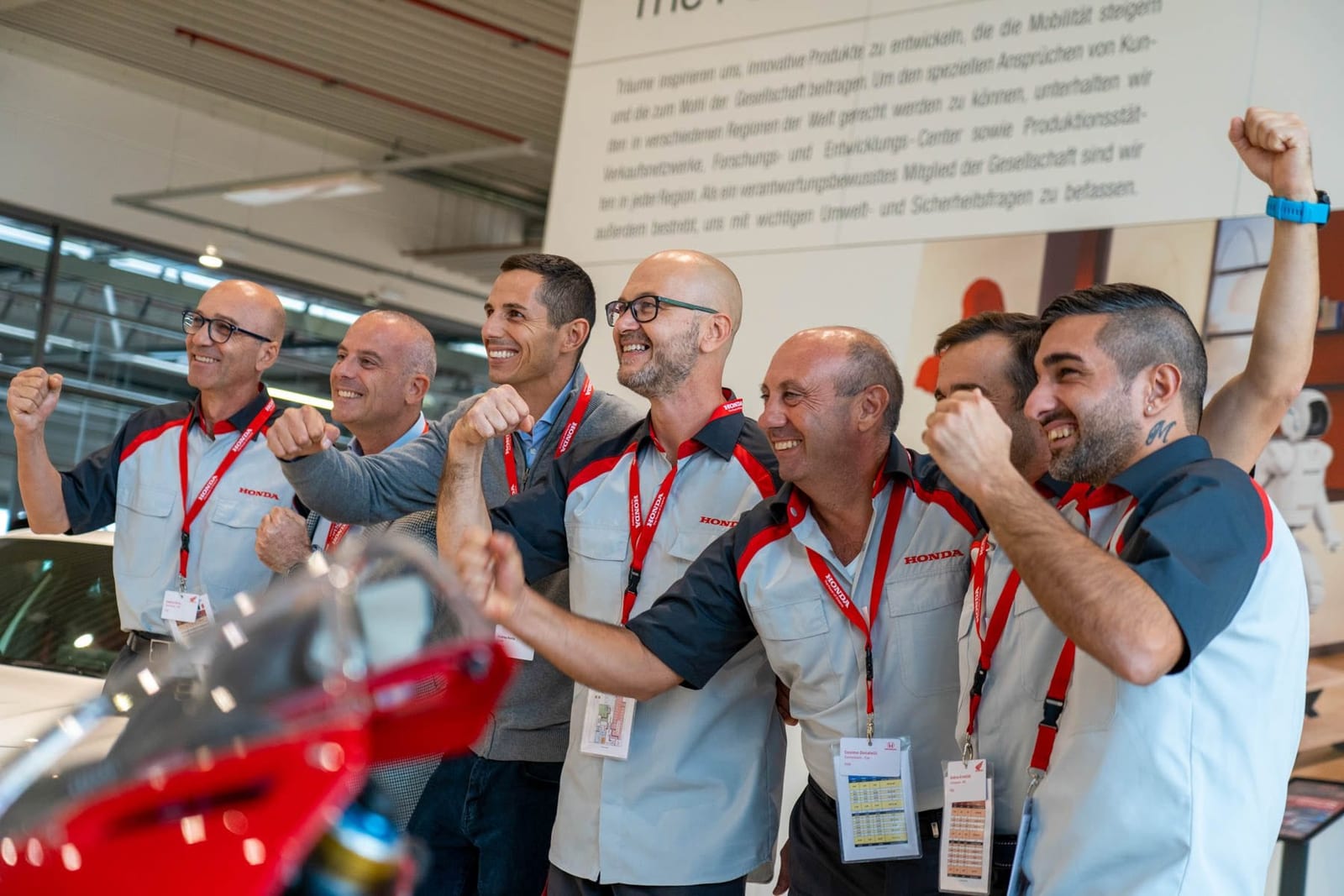
Many companies now want their corporate photographs to look less stiff and formal. Most conferences are not thrilling occasions, so any personality and warmth you can bring to the pictures genuinely adds depth to the work. Watch for interaction, ideas being exchanged, handshakes, gestures, smiles. Laughter during a presentation is always welcome — if a speaker is making jokes, try to anticipate it and turn to the audience for their reaction.
9. Make high-quality pictures
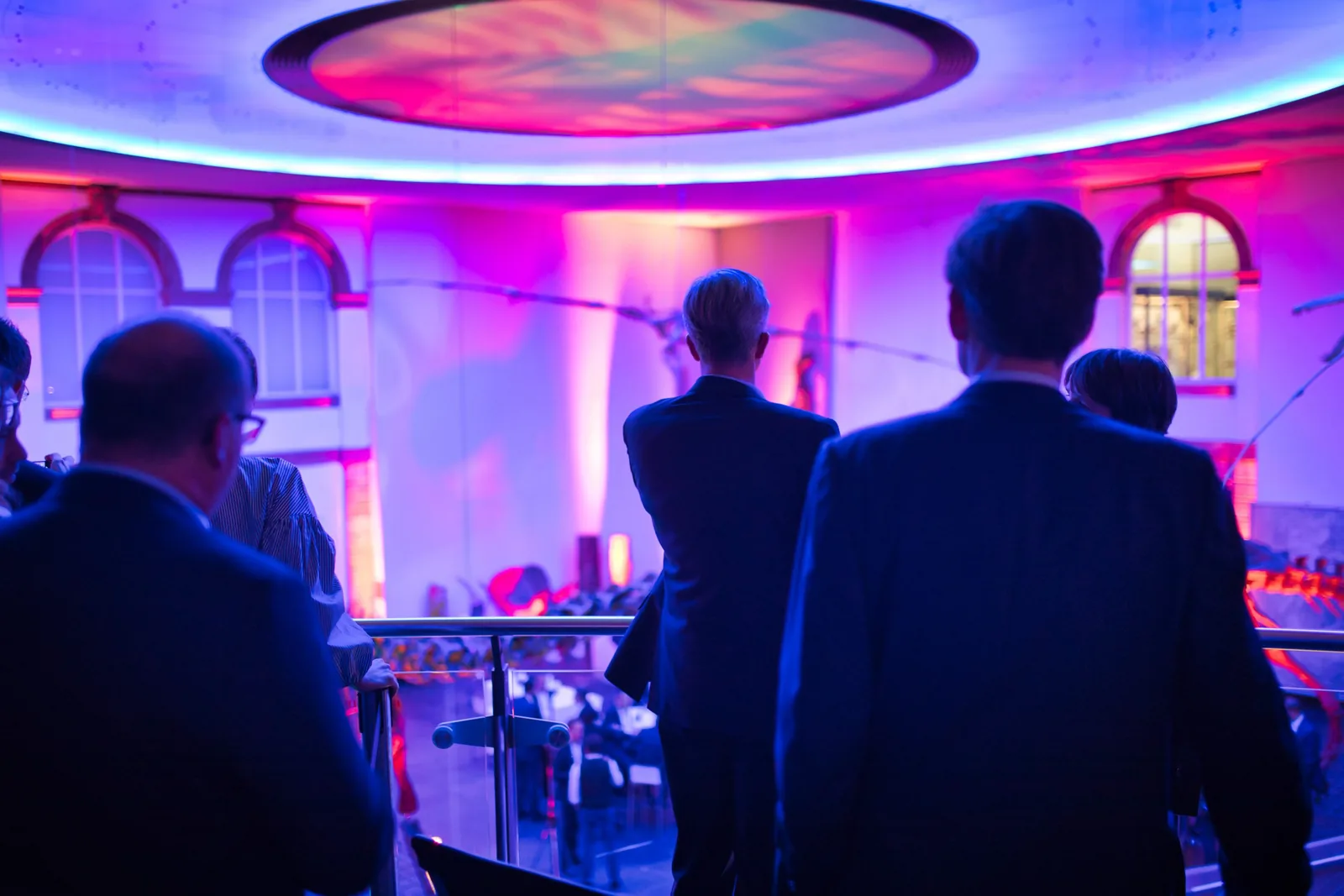
At the end of the day the client wants a set of pictures that not only record who was there and what happened, but also look good, hold up technically and carry something of the spirit of the event. When it comes to publishing, they will expect at least one or two standout frames that sum the whole thing up. Perhaps the venue has features worth bringing out, or the colored stage lighting makes a strong focal point. Whatever it is, make it look as professional and as striking as you can.
10. Clean, efficient delivery
Once you are home from the conference, start editing as soon as you can. The pictures will most likely be used for online marketing the moment they arrive. To keep your client happy, ask how quickly they need them so you can agree a realistic compromise. Remember these are not fine-art frames and do not need elaborate correction or retouching — clean, sharp, well-lit pictures are what does it, and what lets you deliver to a high standard on time.
Planning an event?
Scope and price are fixed before anything is photographed or filmed. The inquiry commits you to nothing.