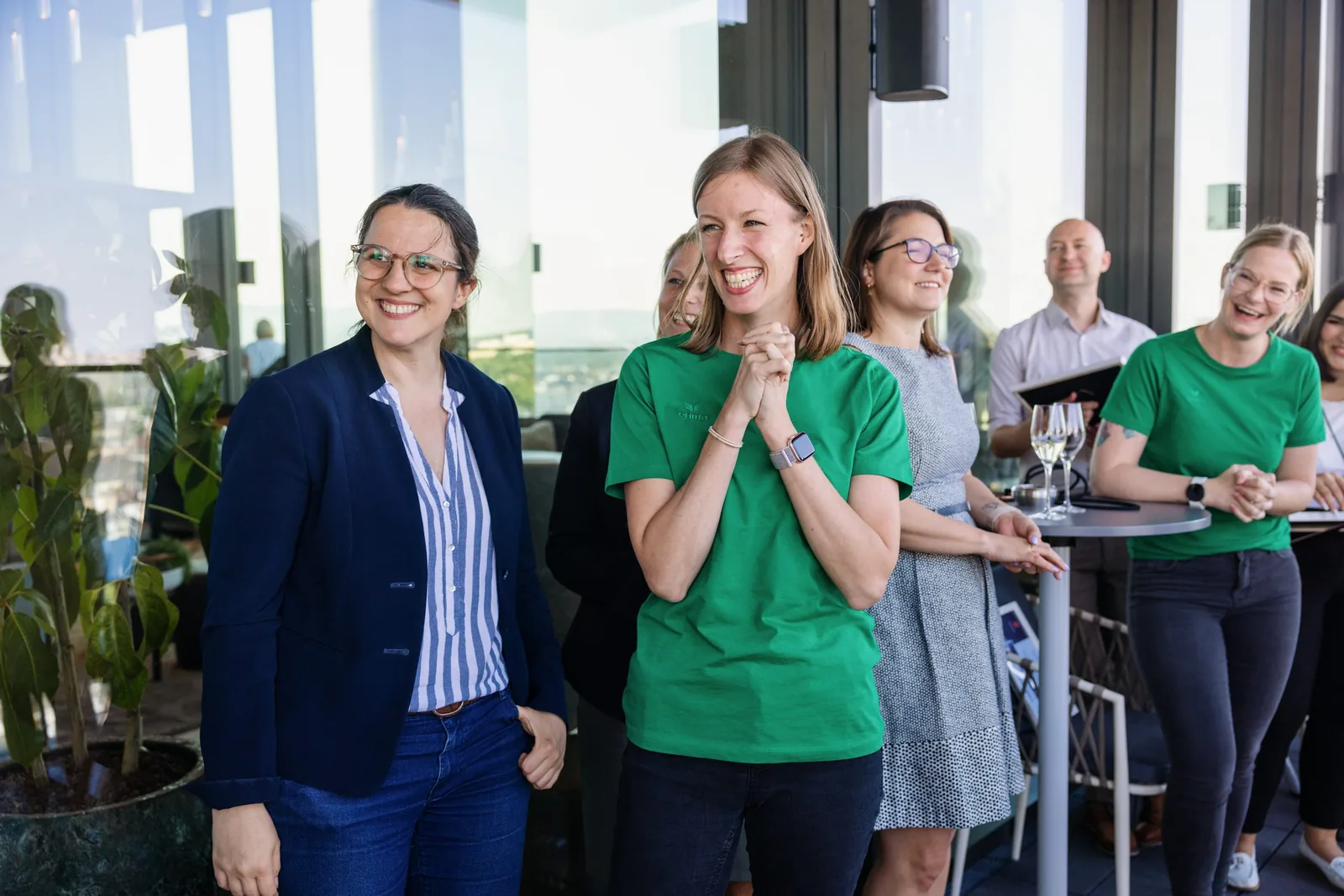
Professional employee portraits: how a company arrives at one consistent look
Published
Employee portraits give a company a face. They appear on websites, in social networks, in press releases, presentations and job adverts. Long before anybody speaks to you in person, the pictures suggest something about professionalism, working culture and the people behind a brand.
For a portrait series to look consistent and still read as genuine, the style and the process should be settled before the shoot. That matters most when many people are being photographed, or when new portraits will be added later.
What are the portraits needed for?
The intended use decides which pictures should be taken. A classic profile photo for the team page needs a different setup than a shot for a job advert or a personal post on LinkedIn.
Typical places these images end up:
- team and about pages
- personal profiles
- LinkedIn and other professional networks
- press releases
- annual reports
- presentations and talks
- job adverts and recruiting campaigns
- internal communication platforms
- brochures and customer magazines
- author and expert profiles
When the pictures are meant for several of these at once, plan for different crops and orientations. Alongside the classic upright frame, square profile pictures and wider shots for the website or the press make sense.
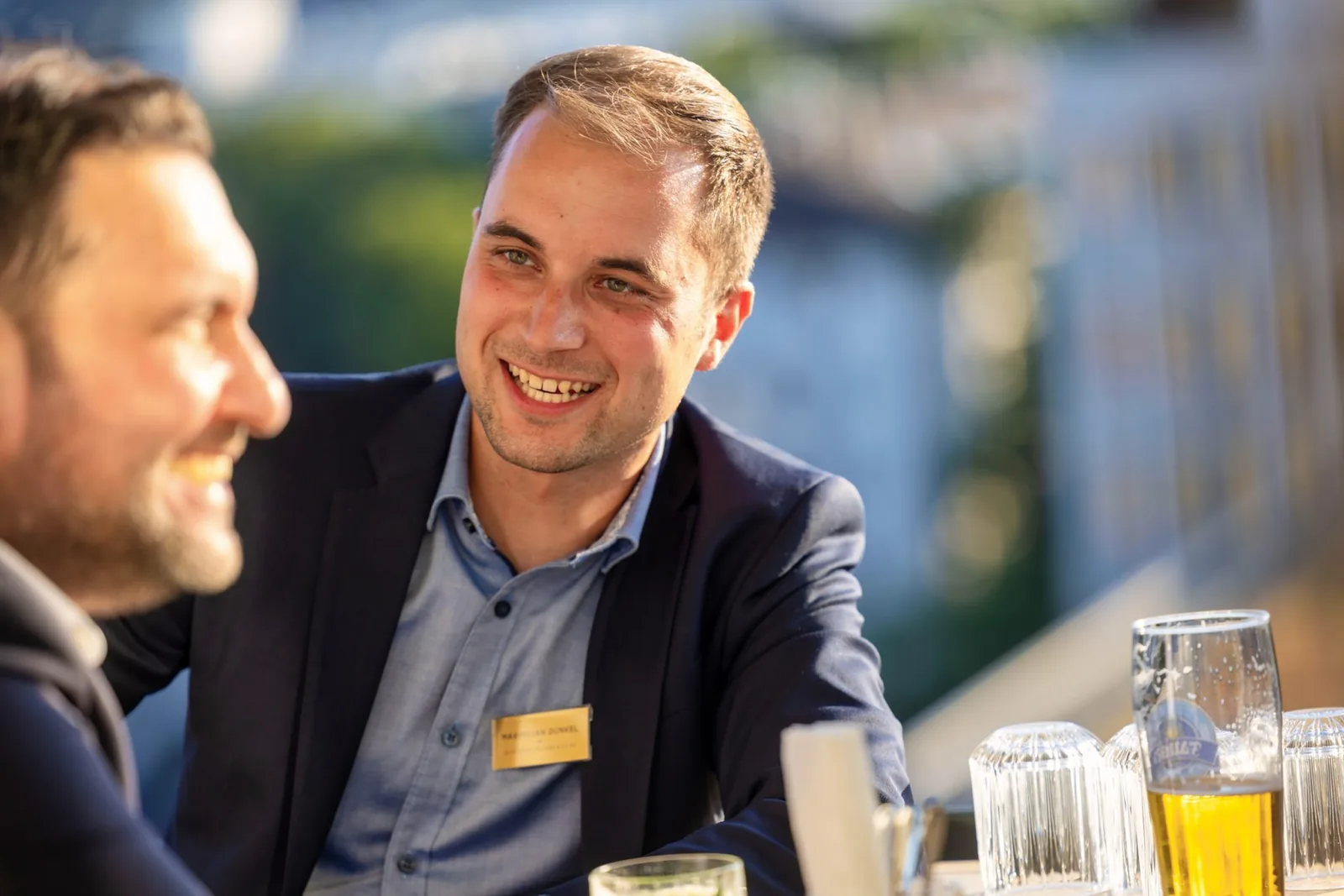
What should the pictures convey?
Before the shoot, the company should decide how it wants to be seen. The visual language can be factual, modern, personal, creative or deliberately approachable.
These questions help:
- Should the person look straight into the camera?
- Are friendly or rather neutral expressions wanted?
- Will people be photographed standing or seated?
- Should the workplace be visible?
- Is a plain backdrop needed?
- Which colors match the existing brand appearance?
- Should managers and staff be shown the same way?
- Are working situations needed as well?
The answers should match the actual company. A very relaxed visual language reads as implausible when the rest of the brand is deliberately formal. The other way round, rigid portraits sit badly with a business whose stated values are openness and close collaboration.
Plain backdrop or working environment?
Both options have their advantages.
Portraits against a plain backdrop
A consistent backdrop gives a clear and coherent result. The pictures work well on team pages, in presentations and for press use.
This option suits a shoot where:
- many people are photographed in a single day
- future colleagues will be added later
- the pictures have to work in as many places as possible
- the surroundings are not meant to be part of the company image
Portraits in the working environment
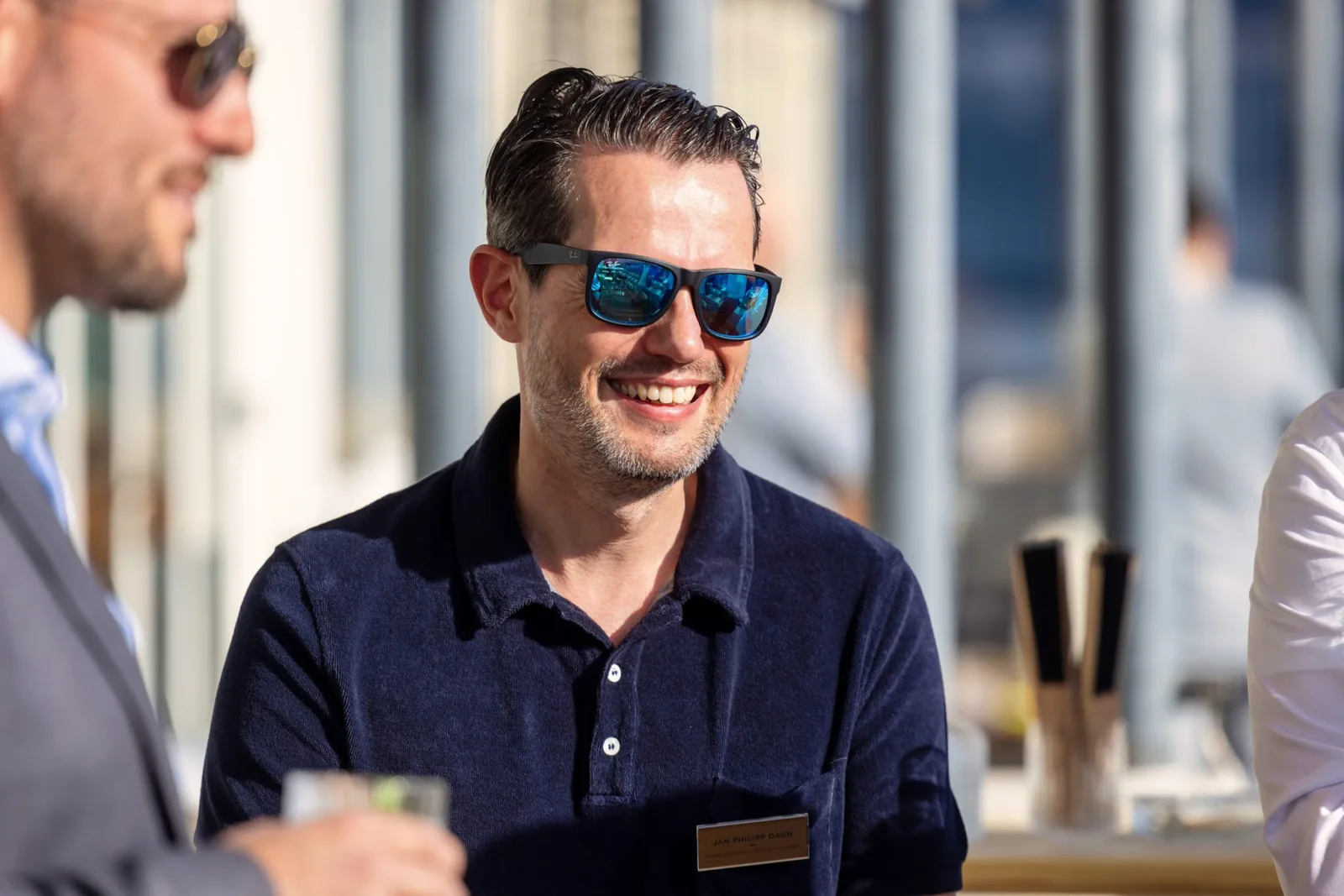
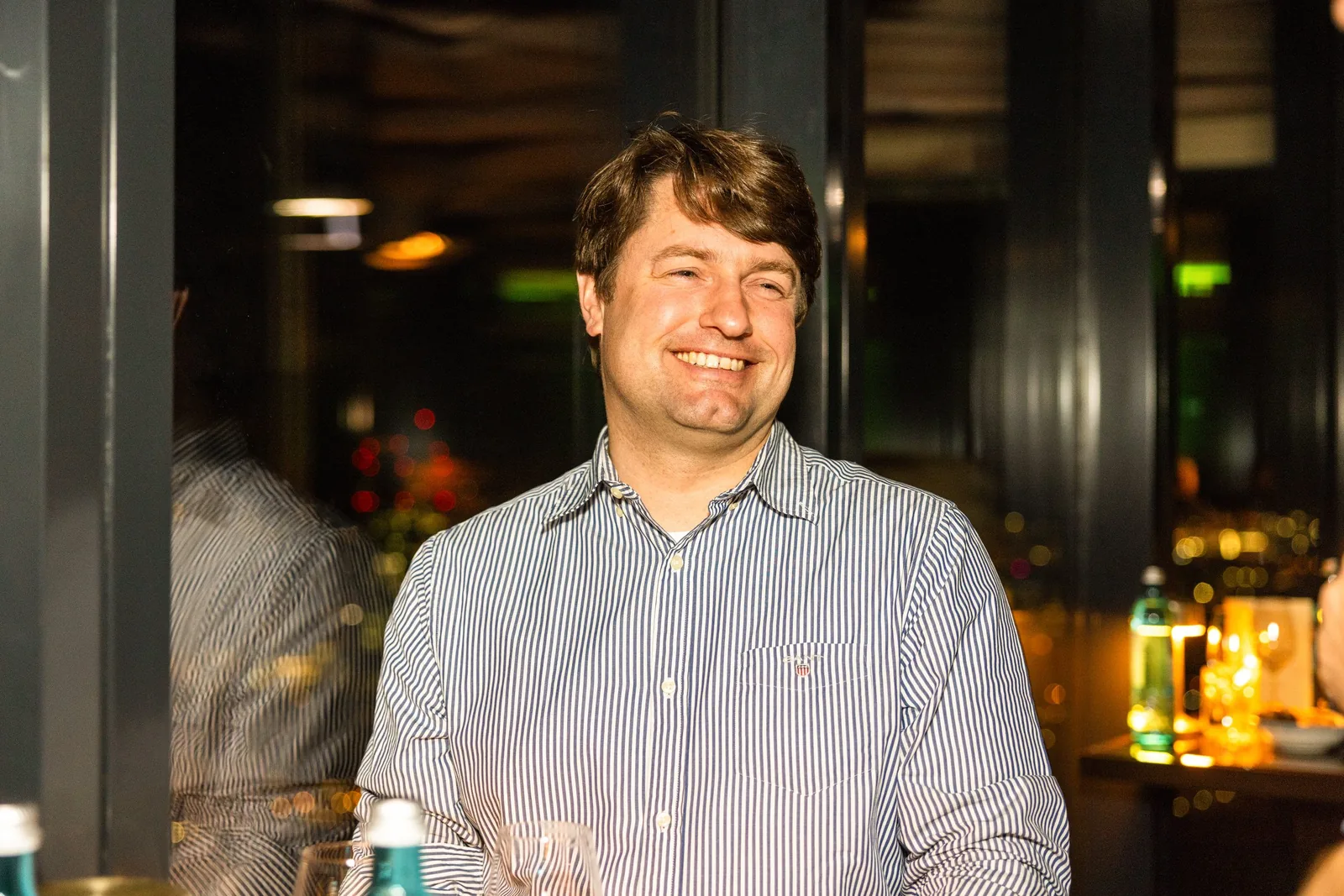
Shots in offices, workshops, hotels, restaurants or other working areas carry more context. They read as more personal and more alive.
That asks for careful choices in backdrop, light and surroundings. The room should support the person rather than distract from them.
A combination is often the sensible answer: consistent profile pictures for the team page, plus shots in real working situations for recruiting, social media and corporate communication.
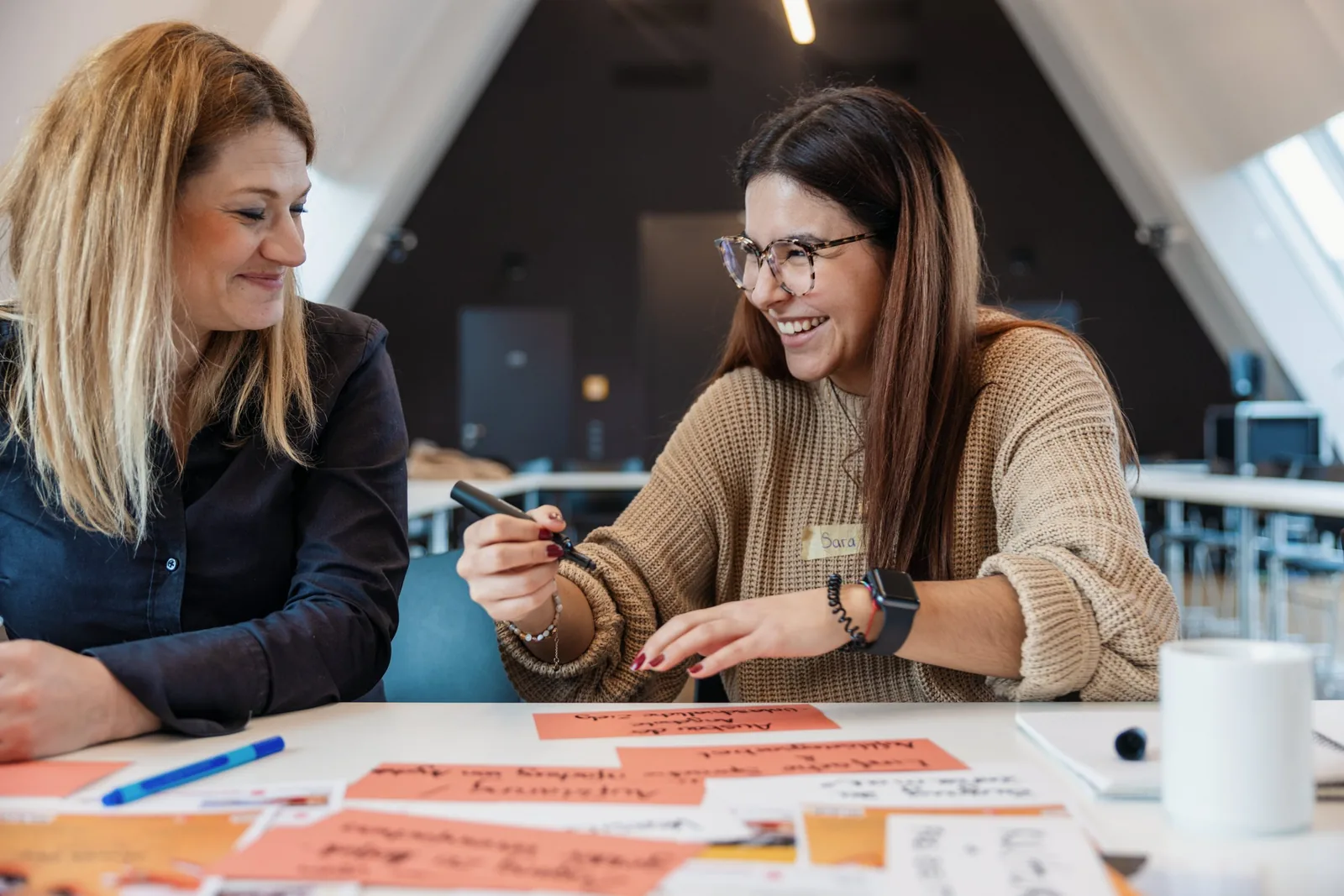
Getting the clothing right
Employee portraits rarely call for identical clothing. The overall picture should still fit together.
These recommendations can go out before the shoot:
- Choose clothing you feel comfortable in.
- Avoid very small patterns where possible.
- Do not wear large logos of other brands.
- Avoid strongly reflective materials.
- Bring clothing clean and as free of creases as possible.
- If in doubt, keep an alternative top to hand.
- Clean your glasses before the shoot.
- Empty your pockets early.
Where workwear is standard, it should be complete, clean and in good condition. Visible name badges, logos and safety equipment have to suit the later use of the pictures.
One central instruction such as “business casual in muted colors” usually helps more than a long list of strict rules.
Choosing a suitable room
The shooting area should be large enough, quiet and available for the whole session. A corridor in constant use, or a room with meetings running through it, turns into delay very quickly.
Worth checking:
- Is there enough space for camera, lighting and backdrop?
- Is there enough distance between person and background?
- Can the room be booked for the full duration?
- Are power sockets within reach?
- Can distracting daylight be controlled?
- Are there loud ventilation units or other sources of noise?
- Can furniture be moved temporarily?
- Is there an area for waiting and getting ready?
For shots in the working environment, confidential documents, personal belongings and unsuitable screen content should be cleared away beforehand.
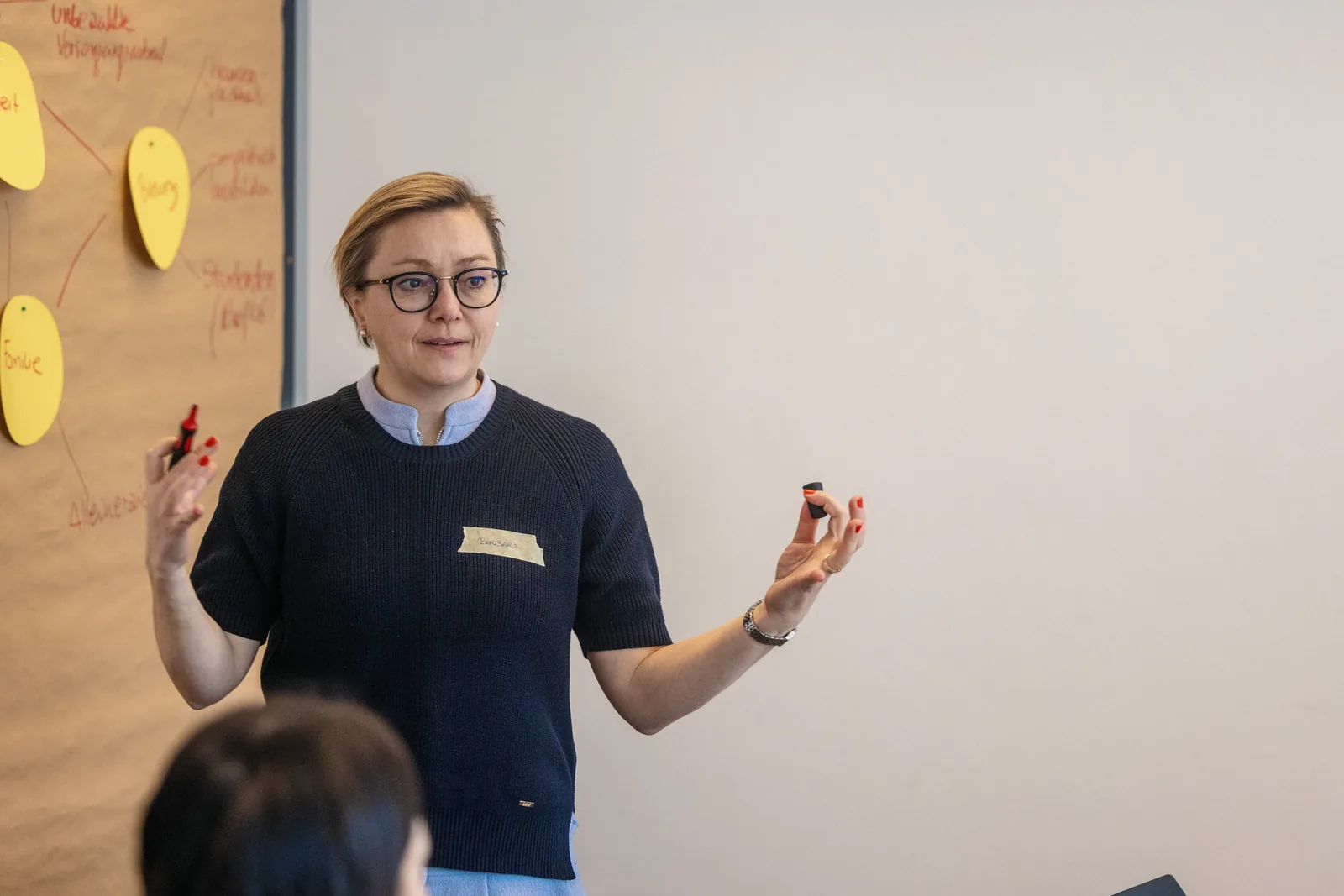
How much time does each person take?
The time needed depends on the intended style and on how used to a camera the people are. A simple, consistent profile picture takes less time than several setups with different backdrops and working situations.
Even so, the schedule should not be too tight. Most people do not stand in front of a professional camera regularly. A short settling-in period, clear direction and room for small corrections do a lot for the result.
Leave a buffer between appointments. Meetings run long, colleagues get held up at short notice, clothing and hair still need adjusting.
For larger teams, a fixed schedule with clearly assigned slots works best.
Tell the team in good time
Much of the uncertainty comes from people finding out shortly before the appointment that they are being photographed. Early, clear information improves both the preparation and the mood on the day.
The invitation should carry:
- date and personal time slot
- the exact location
- the intended use
- recommendations on clothing
- roughly how long it takes
- a contact for questions
- how selection and approval will work
People who know what is coming usually step in front of the camera more relaxed.
A natural presence beats a forced pose
Not everybody is at ease in front of a camera straight away. Professional direction helps posture, gaze and expression look natural.
That does not mean giving everybody the same rigid pose. The pictures should belong together without losing the individual.
Small changes already make a large difference:
- the position of the shoulders
- the angle of head and upper body
- where the eyes go
- what the hands do
- the distance to the camera
- a quick adjustment of clothing or hair
A calm atmosphere and instructions people can follow usually matter more than complicated poses.
Keeping larger teams consistent
A team page reads as professional when crop, perspective, backdrop and light are consistent. Differences in face, posture and expression are welcome. Technical differences should be as small as possible.
So reference frames should be agreed at the start of the series. They define:
- camera height and perspective
- the crop
- the backdrop
- the quality of the light
- where the person stands
- the color treatment
- the margin around the frame
- which variants are wanted
These notes matter most when new colleagues are photographed later. A documented visual language makes every follow-up session easier.
Organizing selection and approval
Settle in advance who makes the final choice. Depending on the company, it is the person in the picture, the marketing department, or both together.
What matters is a clear sequence:
- The frames are reviewed.
- A preselection is made available.
- The people responsible pick their favorites.
- The chosen pictures get their final edit.
- The files are delivered in the agreed sizes.
Too many decision makers stretch the process out. One central contact should collect the feedback and pass it on.
What does the editing cover?
Professional editing covers brightness, color, contrast and crop. Small temporary blemishes or distracting elements can be corrected with restraint.
The aim stays a natural and recognizable likeness. Heavy retouching looks false and rarely suits credible corporate communication.
Any particular wishes about retouching should be discussed beforehand.
A checklist for the company
These points should be settled before the shoot:
- what the pictures are for
- the intended visual language
- the formats and crops needed
- plain backdrop or working environment
- how many people are involved
- a binding schedule
- recommendations on clothing
- a reserved shooting area
- a contact on the day
- how selection and approval will run
- planning for later follow-up sessions
Request professional employee portraits
Well planned employee portraits give a company one consistent appearance and carry across every communication channel. The shoot can take place at the company itself or at a suitable location.
A selection of past photo and film productions is in my project overview. For a plan built around your case, send me the number of people involved, the visual style you have in mind and where the pictures will be used.