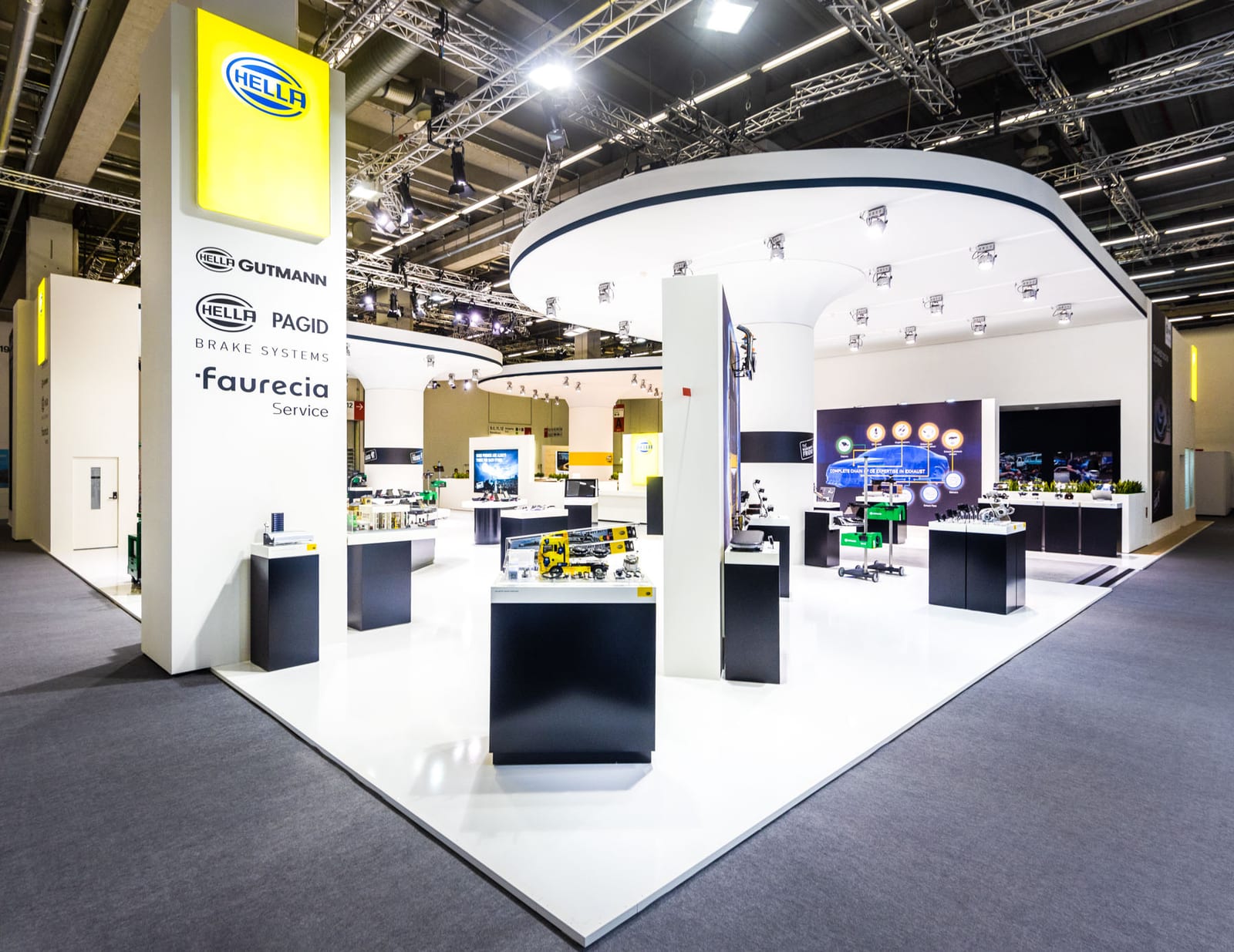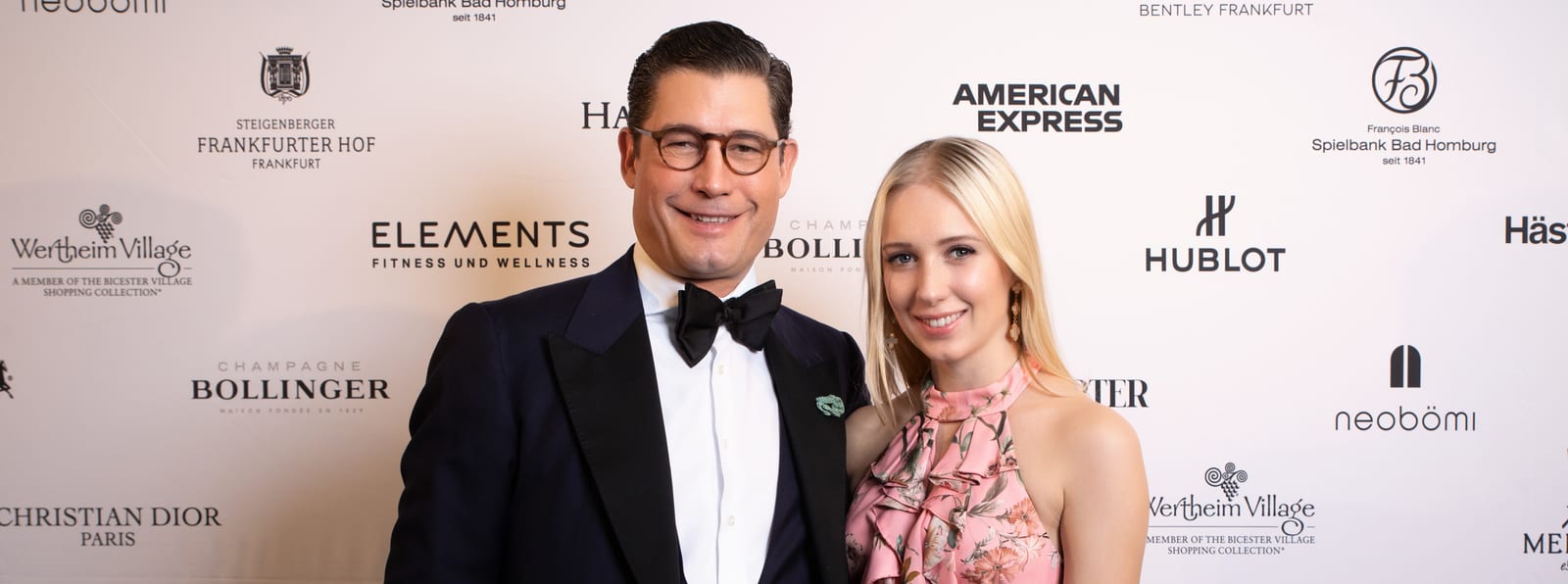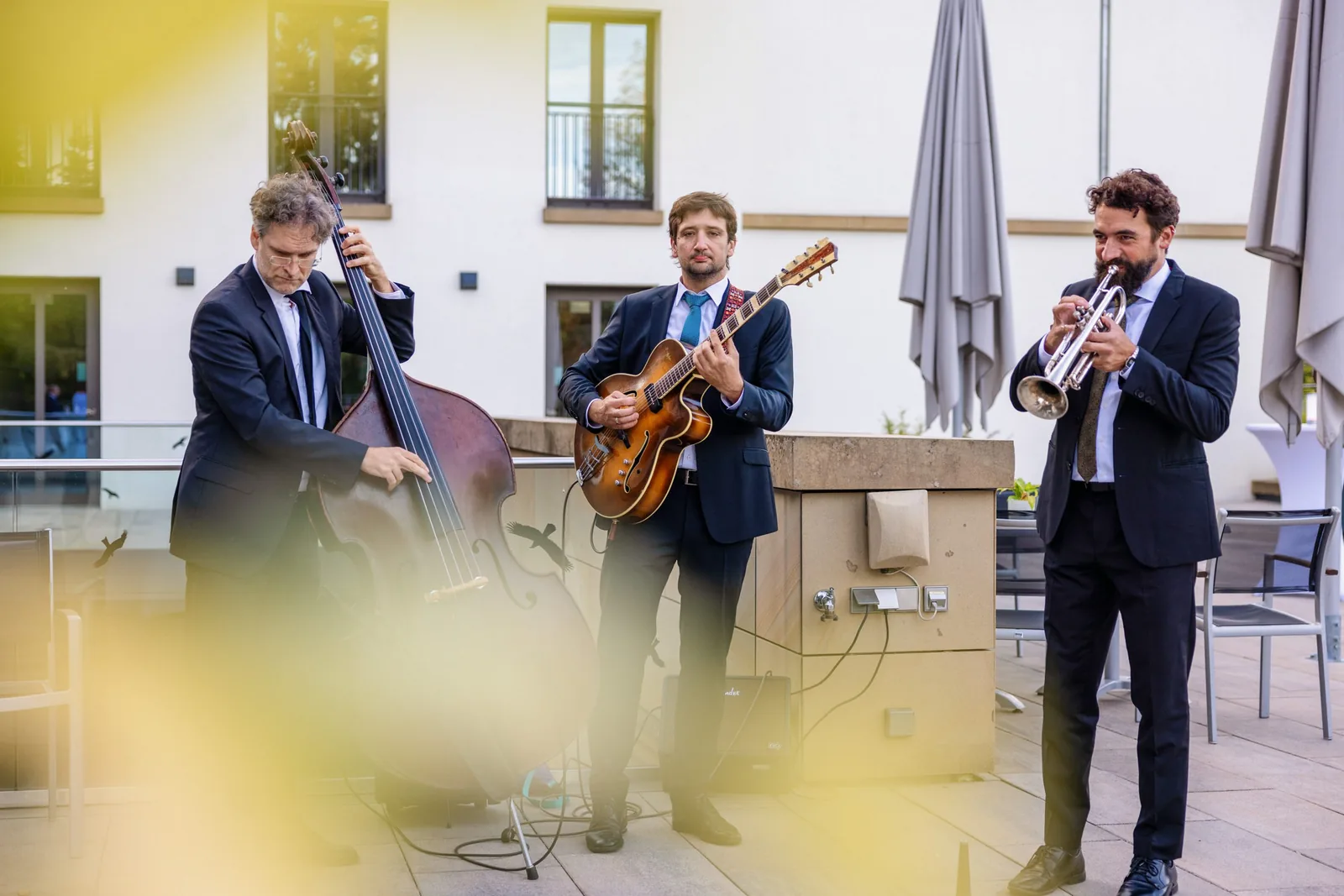
The number of guests does not decide the crew on its own. An evening with 500 people in one room can be easier to cover than a smaller event with parallel workshops, a reception and a stage schedule.
A second person is worth it when important situations happen at the same time, or when they are too far apart to be linked reliably.
Typical reasons for a second position
- several stages or rooms run in parallel,
- the reception and the main schedule overlap,
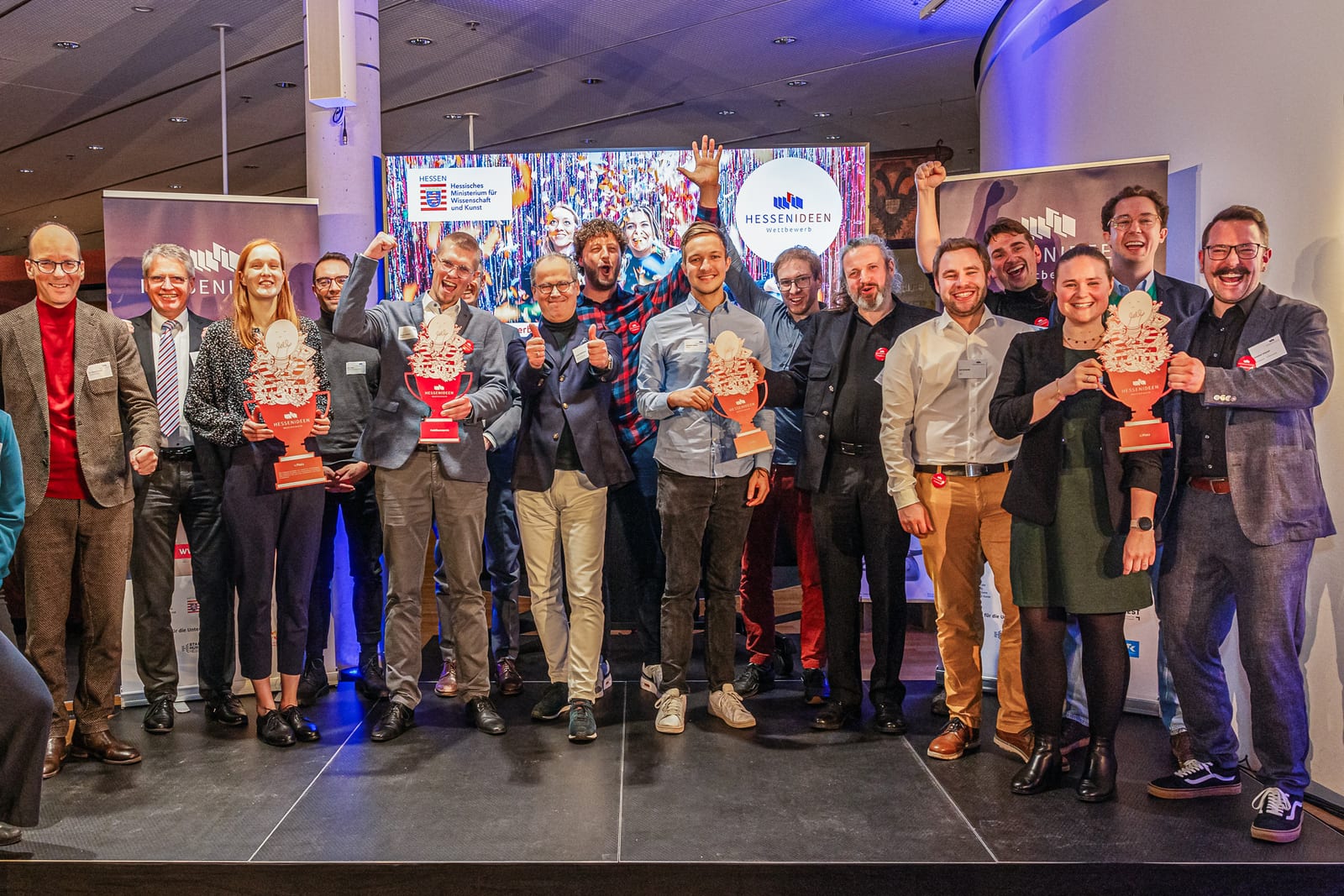
- winners and guests are to be covered at the same time,
- stills and film need the same one-off moments,
- a large stage calls for different viewpoints,
- highlights have to be selected on site,
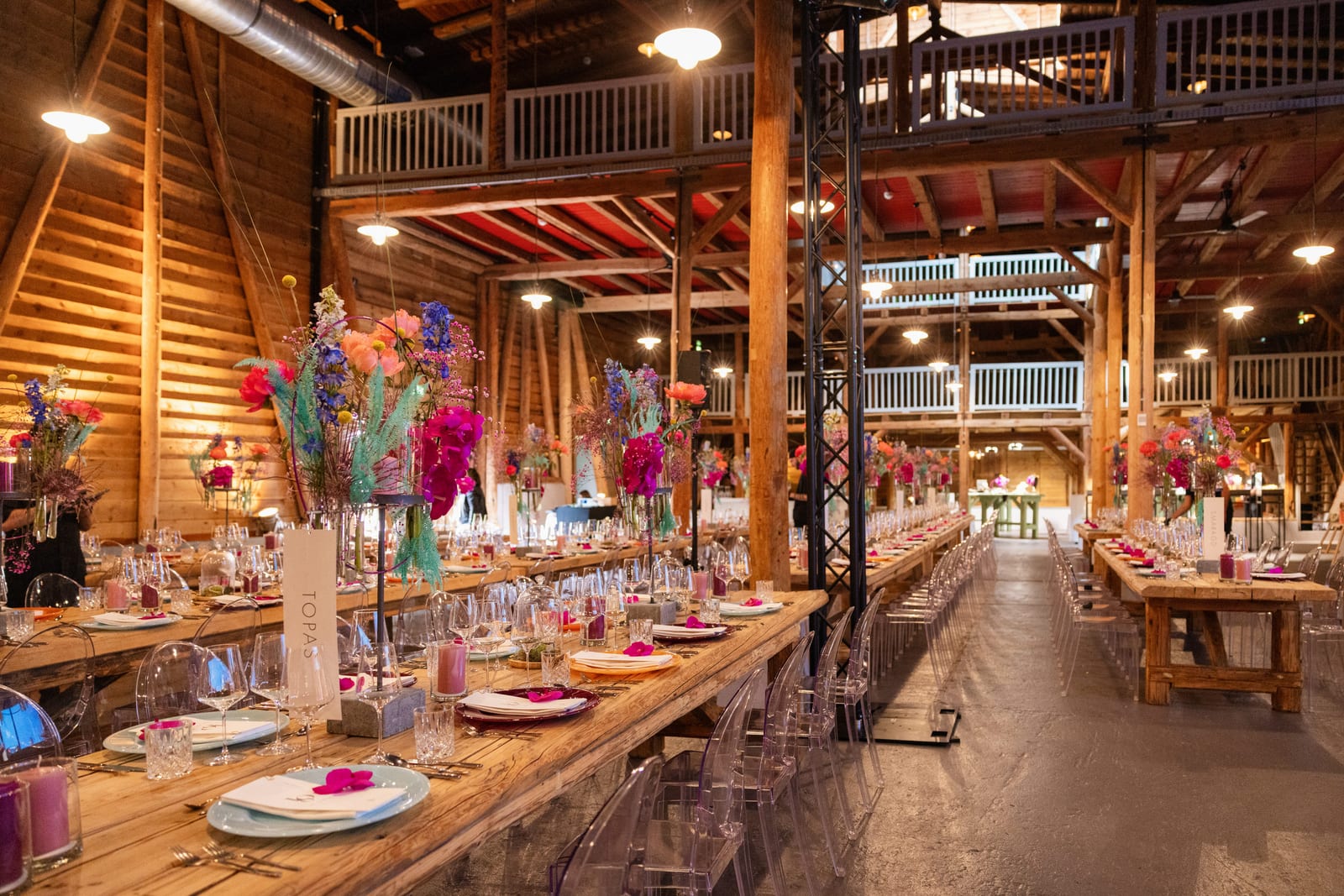
- setting up and taking down belong to the documentation as well.
A second camera is not an end in itself
More people does not automatically mean better pictures. Roles and priorities have to be settled beforehand. Who takes the stage, who takes the room? Who stays with the main schedule when something important starts next door?
Without that split you get duplicate frames in one place and gaps in another.
Stills and film at one-off moments
During speeches, award handovers or surprises, stills and film cannot freely share the same position. Where both are needed, I plan the viewpoints and the room to move in together. On smaller productions a compact solution can be enough; where the schedule is complex, support is the safer decision.
To judge it I need the schedule, the room plan, the number of parallel sessions and the outputs you want. That shows whether a second person is genuinely necessary and belongs in the quote.
54 event productions are under event photography.
Planning an event?
Scope and price are fixed before anything is photographed or filmed. The inquiry commits you to nothing.