Hotel photography: how to prepare your hotel for the shoot
Published
Professional hotel photographs give a guest a first impression long before they walk through the door. They show rooms and fittings, and they carry the atmosphere, the quality and the character of a house.
For a shoot to produce pictures that hold up, a great many areas have to be ready at the same time. Small details change what a frame says: a pillow out of line, a visible cable, tables laid four different ways, cars parked in front of the façade.
Good preparation is what turns the hours on site into pictures instead of tidying. It is also what keeps the series looking like one house rather than eleven.
Before the shoot: which pictures do you need?
The first thing to settle is where the pictures will be used. That decision drives the subjects, the formats and the length of the shoot.
Where hotel photographs usually end up
- the hotel website
- booking portals
- the Google Business Profile
- social media
- press and public relations
- ads and brochures
- conference and event documents
- offers for tour operators
- internal presentations
A website mostly needs wide frames, Instagram works in portrait, and a booking portal expects a complete, legible view of every room category.
So I plan portrait frames alongside the usual landscape ones, and I leave open space where a headline or a graphic element can sit later.
Agree on a binding shot list
A shot list creates clarity and keeps an important area from being forgotten. It is agreed with marketing, management and the departments in charge — not in passing on the day of the shoot.
Possible subjects
- exterior and entrance
- lobby and reception
- each of the room categories
- bathrooms
- restaurant and bar
- the breakfast area
- food and drink
- conference and event rooms
- spa and fitness areas
- terrace, garden or pool
- distinctive architectural details
- service and staff situations
- the view and the surroundings
For larger properties I put the list in order of priority. Whatever feeds bookings directly is photographed first, so an afternoon delay never costs a core subject.
Get the rooms completely ready
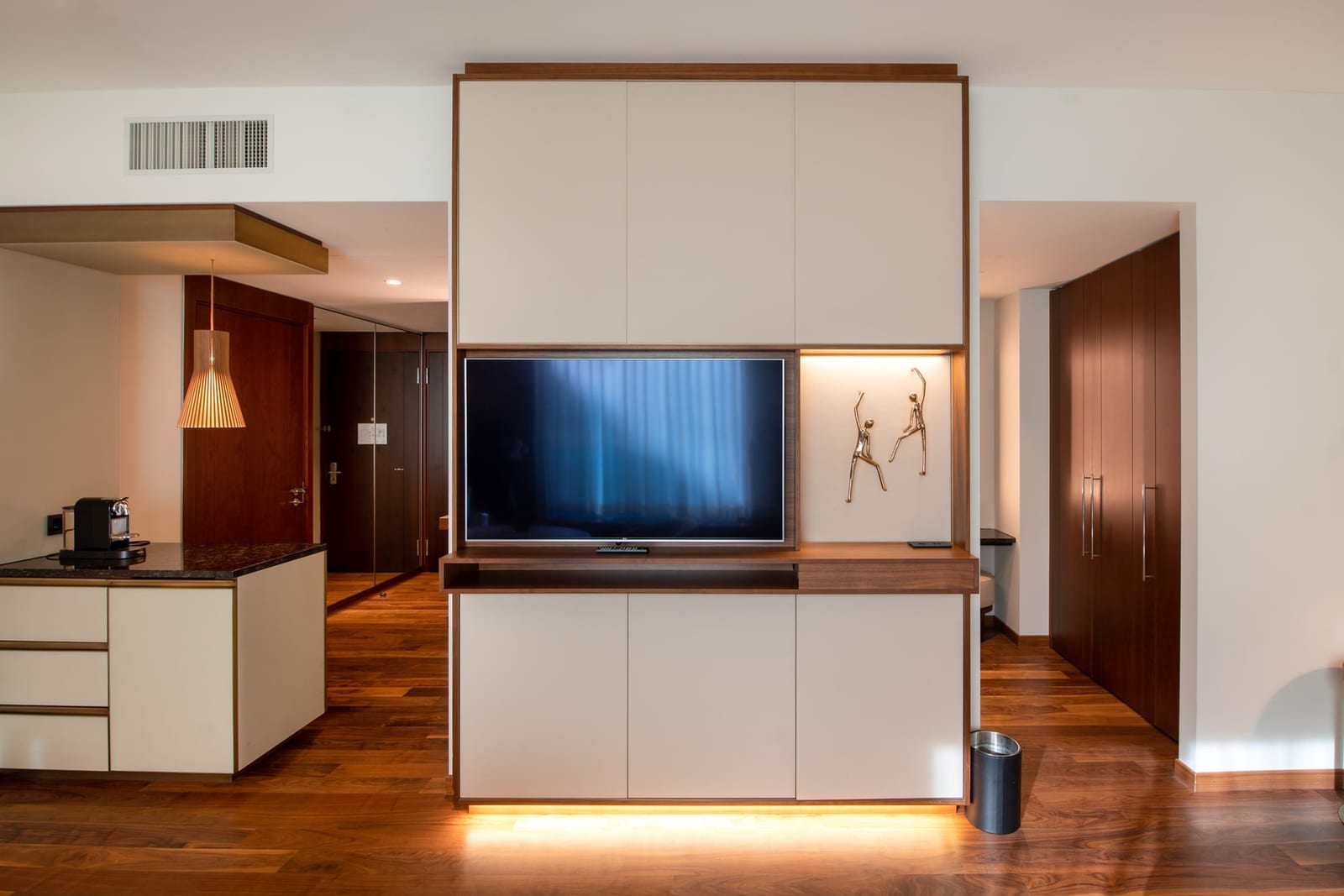
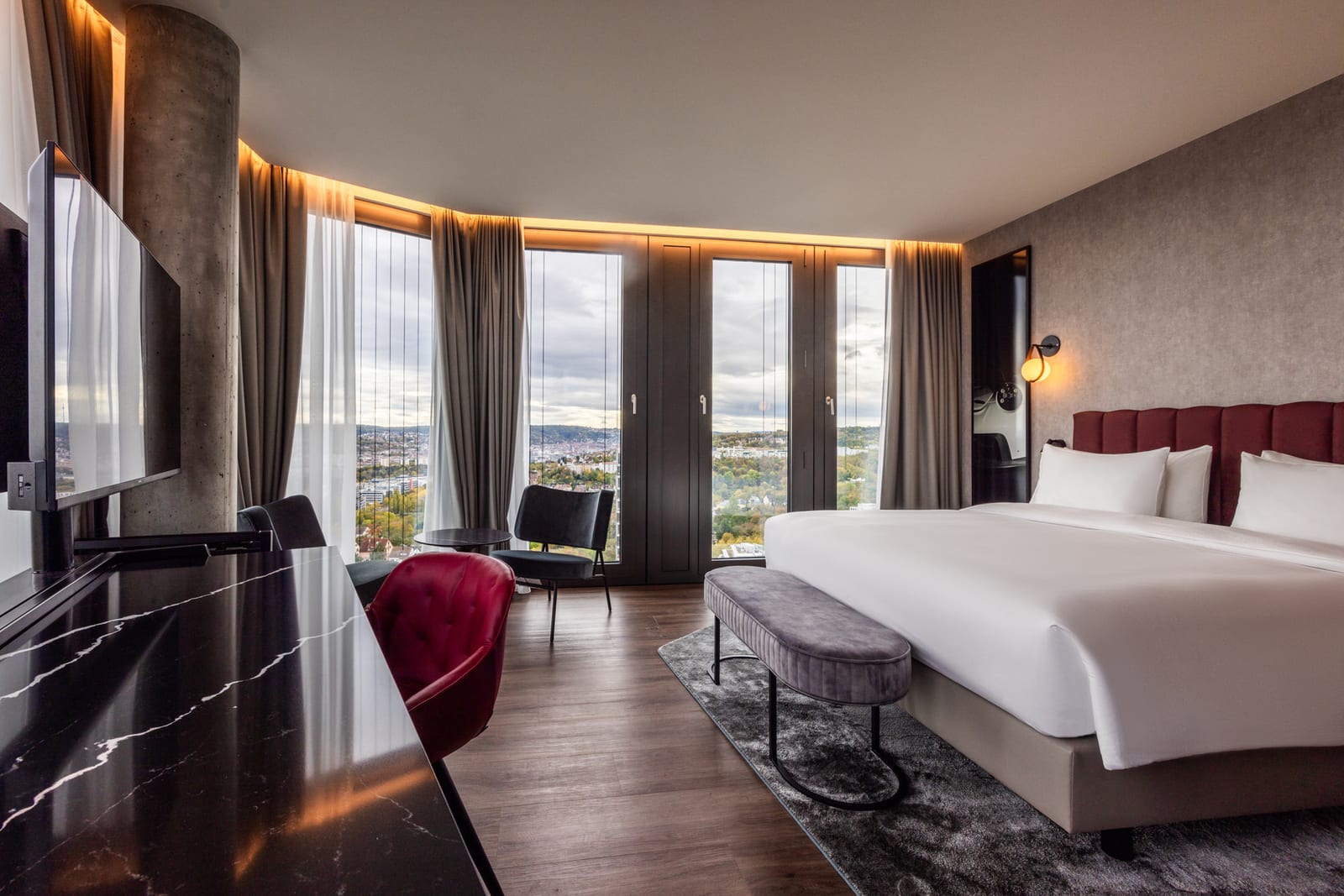
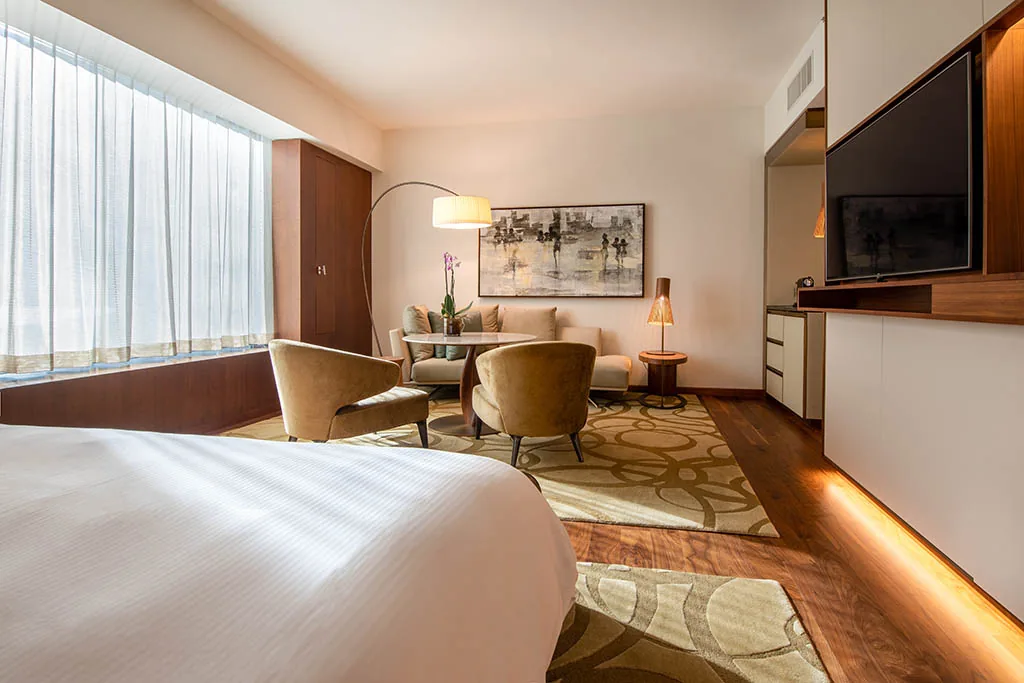
A hotel room reads differently in a photograph than on a walk-through. The camera shows small irregularities a guest in the room never notices: a crease in the sheet, a pillow out of line, a cable on the nightstand.
Checked before the frame is taken
- the bed linen is smooth and free of creases
- the pillows are evenly arranged
- bedspreads and curtains hang cleanly
- the nightstands are set up symmetrically
- cables and remote controls sit outside the frame
- televisions and displays are off, or deliberately prepared
- windows, mirrors and glass surfaces are clean
- every lamp works and carries the same color temperature
- bins and unnecessary notices have been taken out
- the bathroom amenities are complete and aligned
- the towels are folded cleanly
- the toilet lids are closed
Personal decoration goes in only where it matches the brand of the house. Too many accessories make a room look smaller and busier than it is.
Pick the right room in the category
Not every room in a category photographs equally well. Differences in view, floor plan, daylight or furniture are plain to see in a picture.
The room to book for the shoot
- represents the standard on offer honestly
- has an attractive view
- gets plenty of natural light
- is fully repaired and maintained
- shows no visible wear
- is not needed for anything else during the shoot
The pictures should be appealing and still promise no fitting that the booked category does not have. A frame showing more than the room delivers costs more at reception than it earned at the booking.
Coordinate the lobby and the public areas
The lobby, reception and corridors are in constant motion. Without an agreement you get waiting time, or frames with a luggage trolley parked in the middle.
The best slot is a quiet stretch of the day. Reception and housekeeping know the schedule, and luggage trolleys, cleaning equipment, deliveries and internal notices leave the frame for the shot.
If staff or models are to appear
- Who is being photographed?
- What are they wearing?
- Which situation is being shown?
- When are those people available?
- Who arranges the releases that are needed?
Prepare the restaurant and the bar
Hospitality is not only about the furniture. Table setting, light, food and service all have to work inside the same frame.
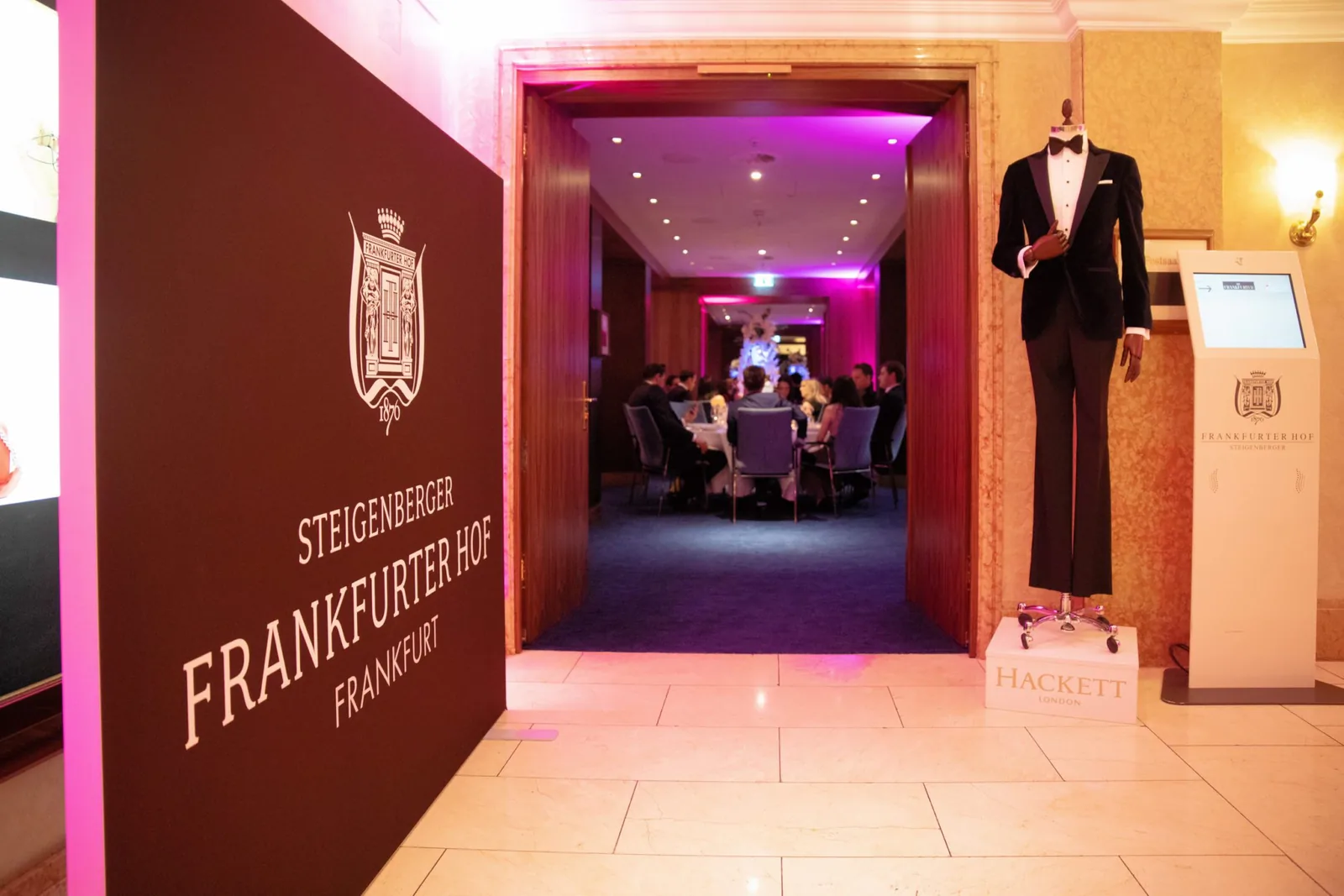
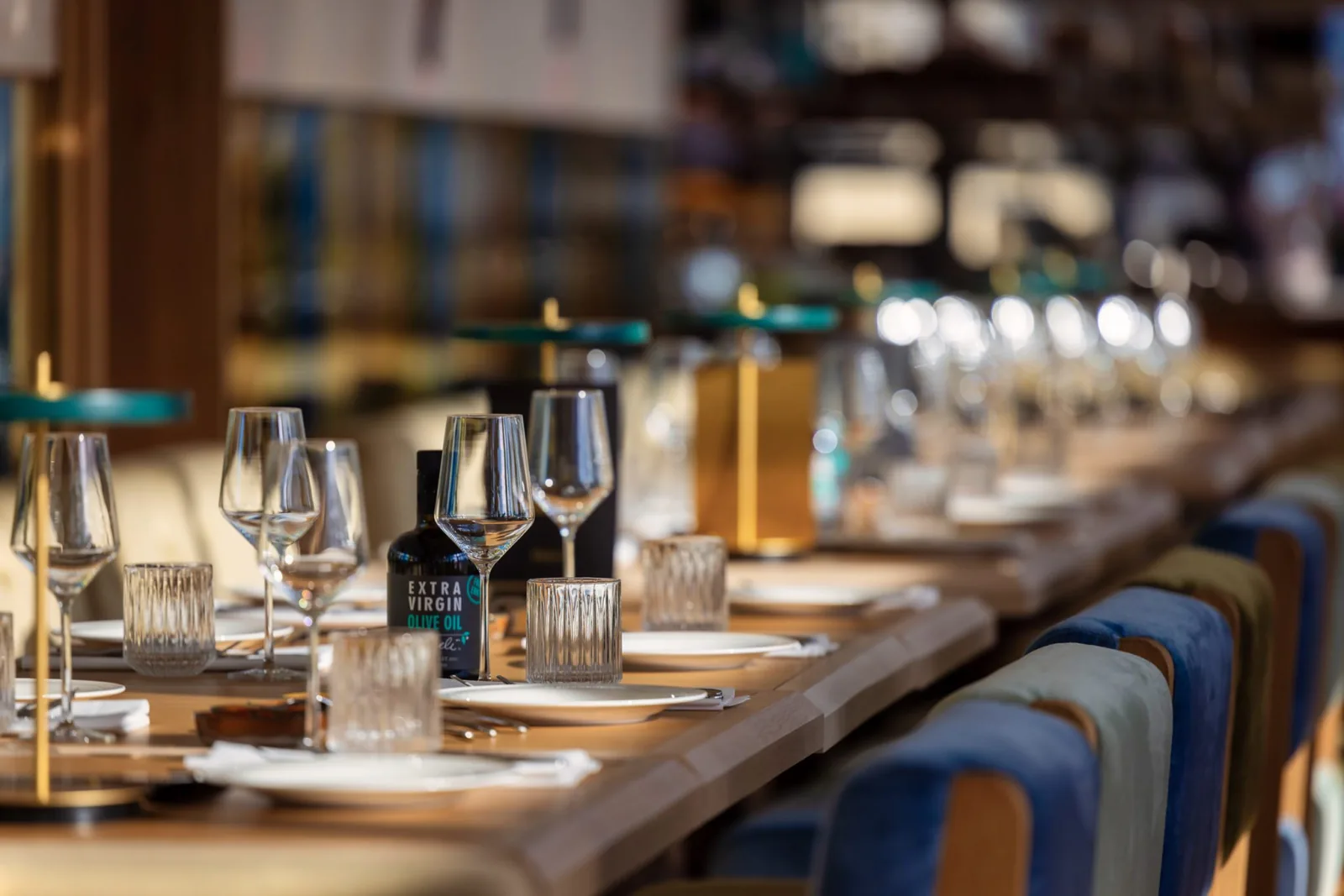
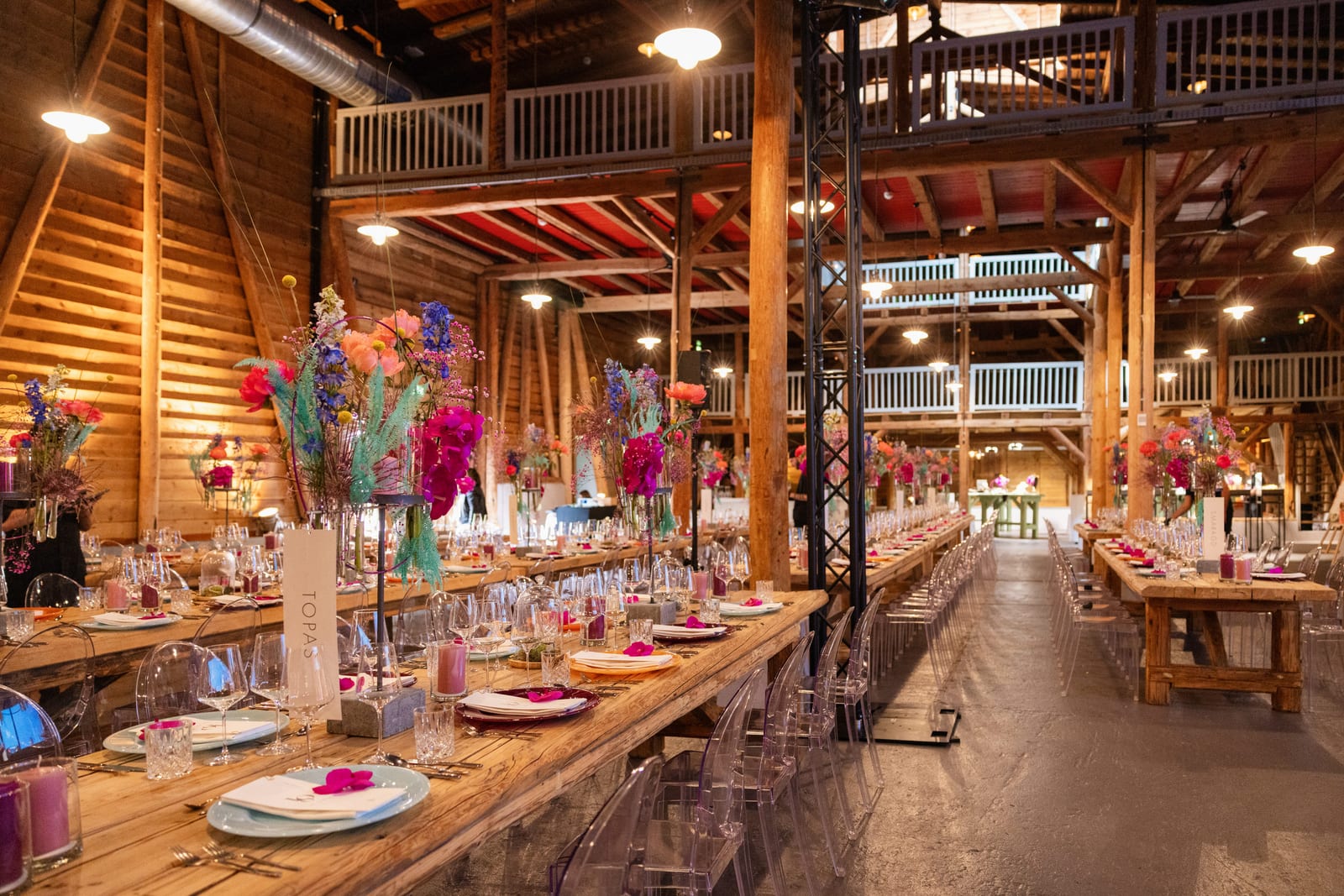
Before the shot the tables are laid completely and consistently, with glasses, cutlery, napkins and chairs aligned. The bar top, the bottle shelf and the coffee machine belong to that list too — they sit in the background of nearly every frame.
Time the food and the drinks
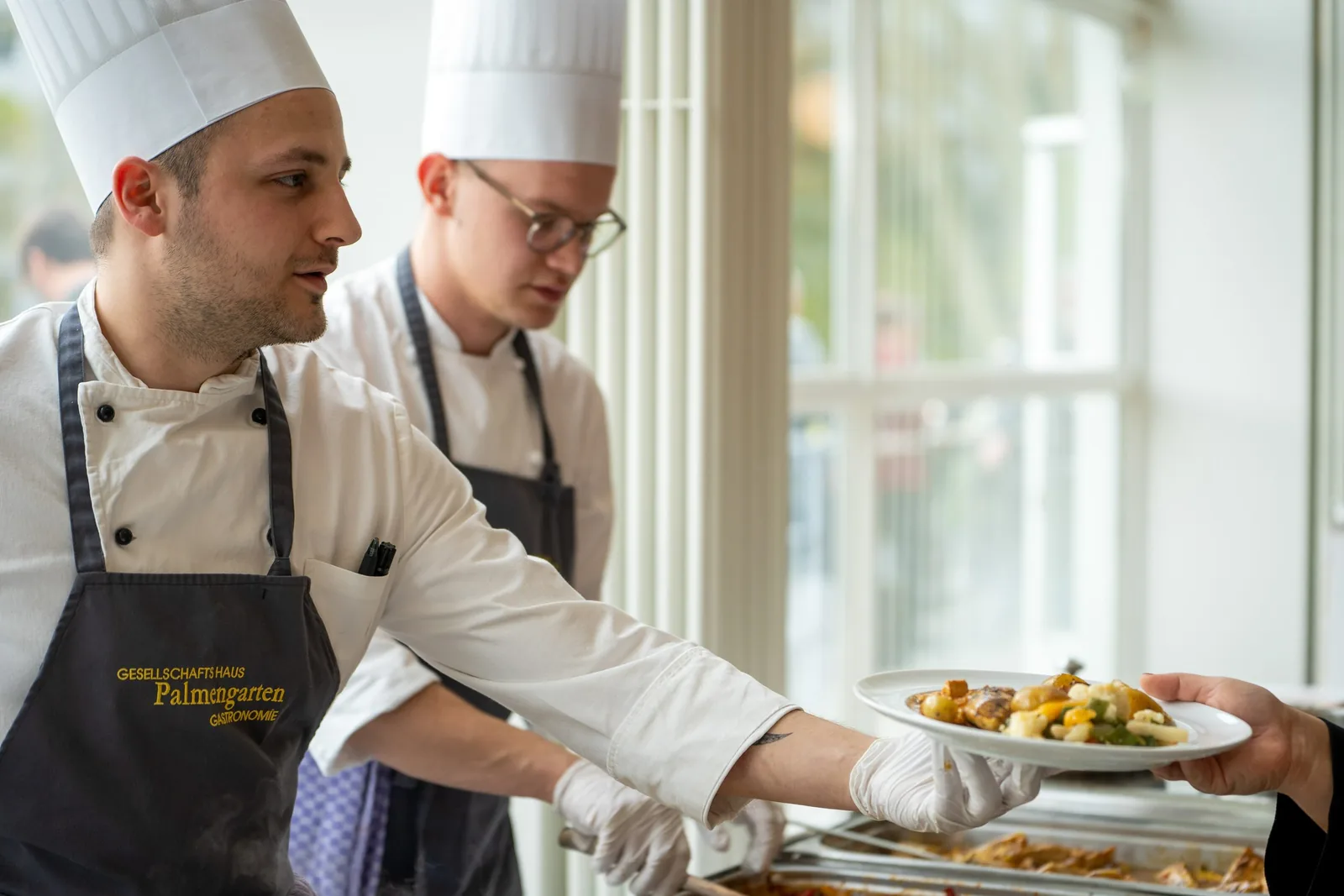
For food photographs the kitchen needs the schedule early — not once the camera is already standing there.
What should be settled beforehand
- which dishes are being photographed
- when they have to be ready
- how many variants are needed
- who is responsible for plating
- whether extra ingredients or props are on hand
A plate holds its best look for a few minutes. So camera, light and composition are set before the dish reaches the set, not afterwards.
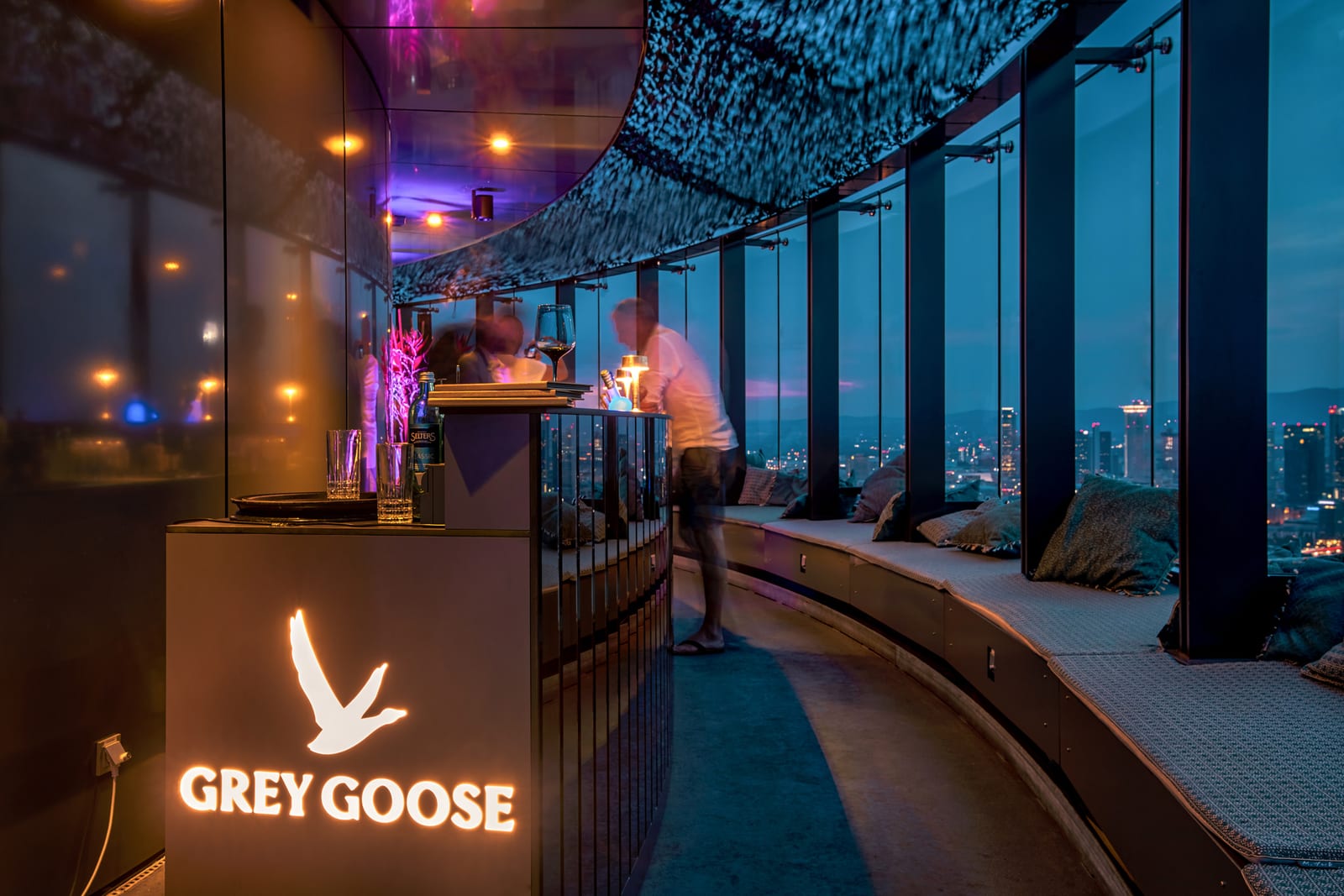
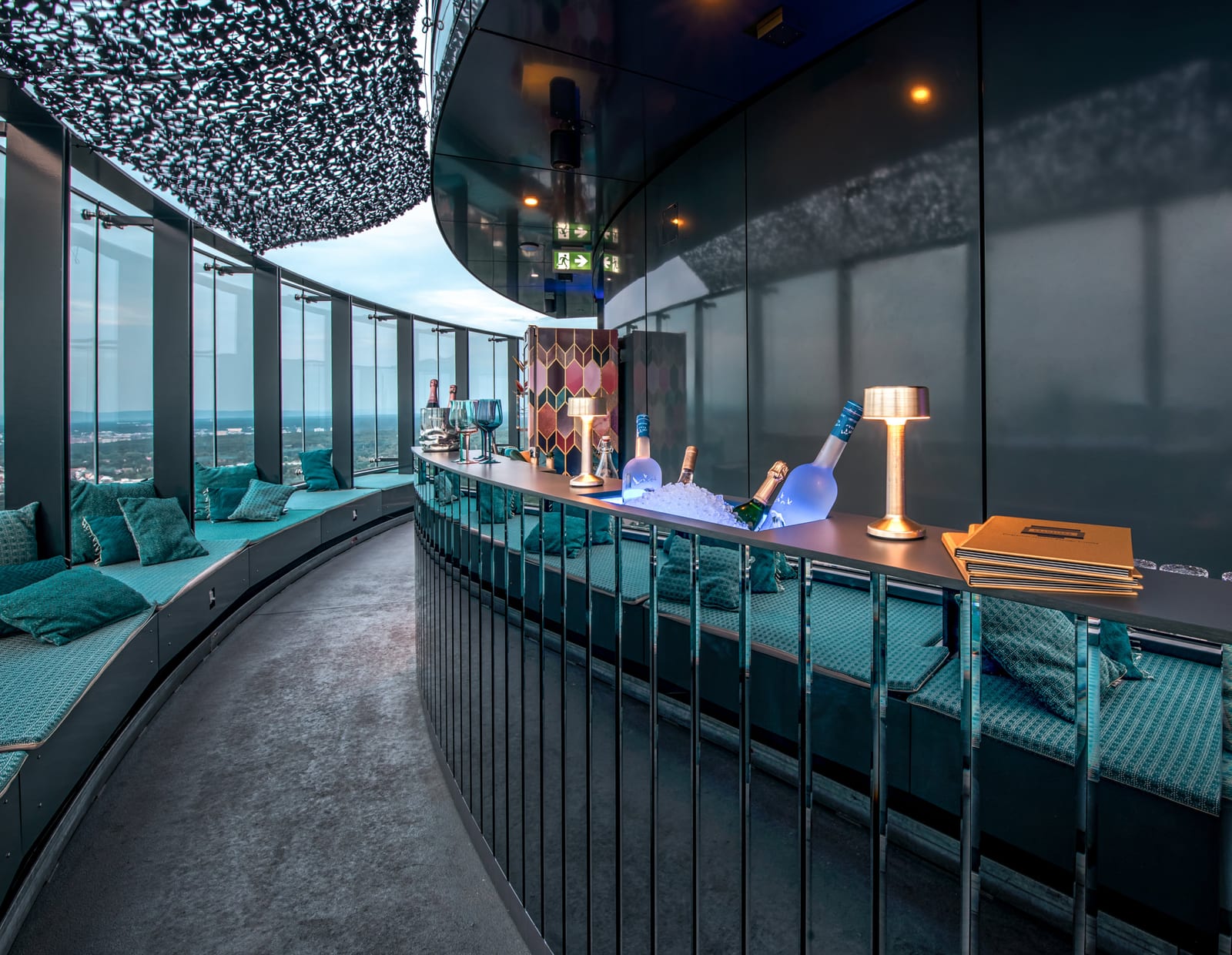
Treat the bar as a subject of its own
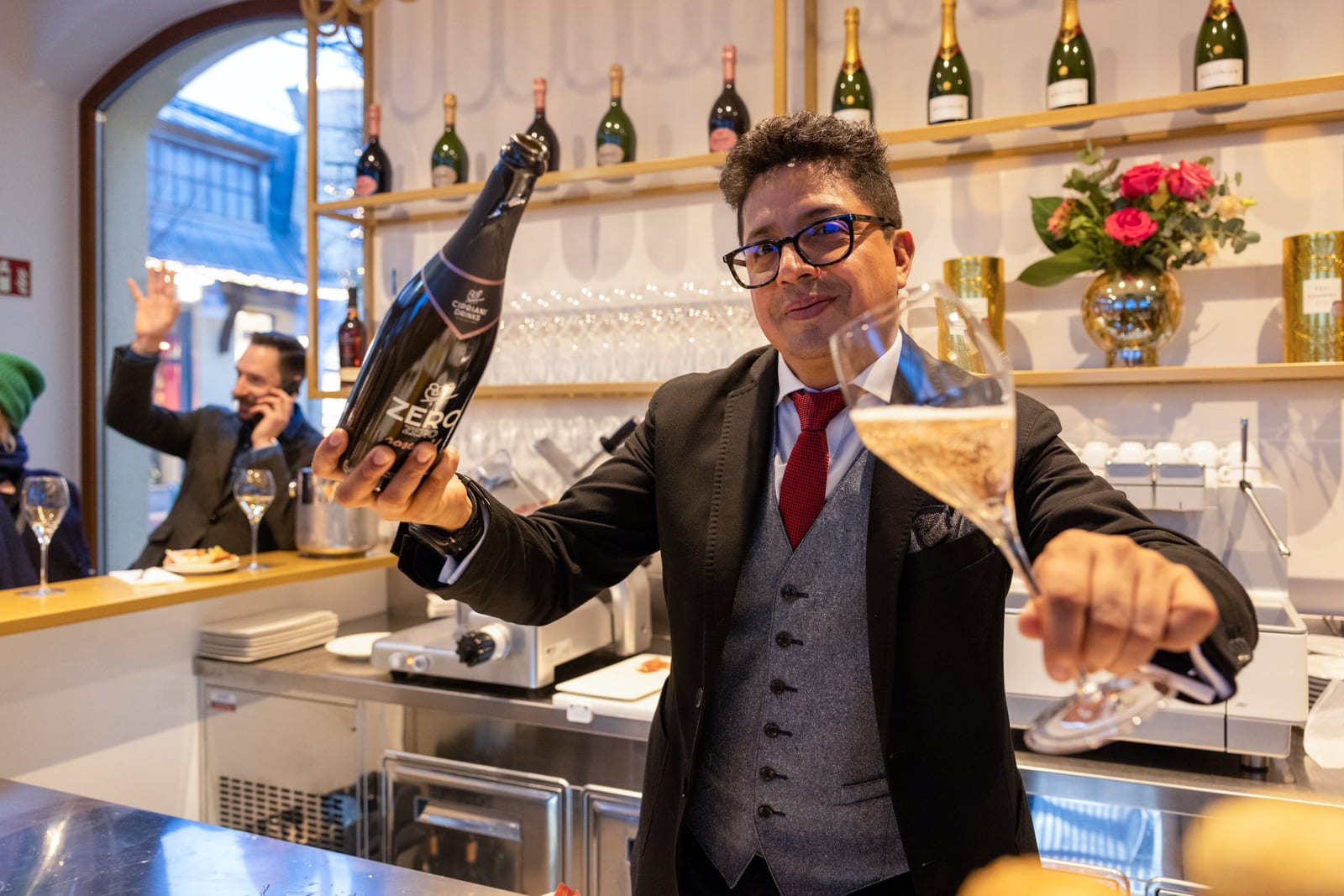
A bar lives on the movement behind it: the glass, the bottle, the hand on the shaker. Those frames need somebody behind the counter who can repeat the motion several times, and a shelf that has been tidied for the camera.
Price tags, sinks and cleaning cloths jump out of a picture, and they take a minute to clear away. The eye goes exactly where the mess is.
Show the meeting and event spaces
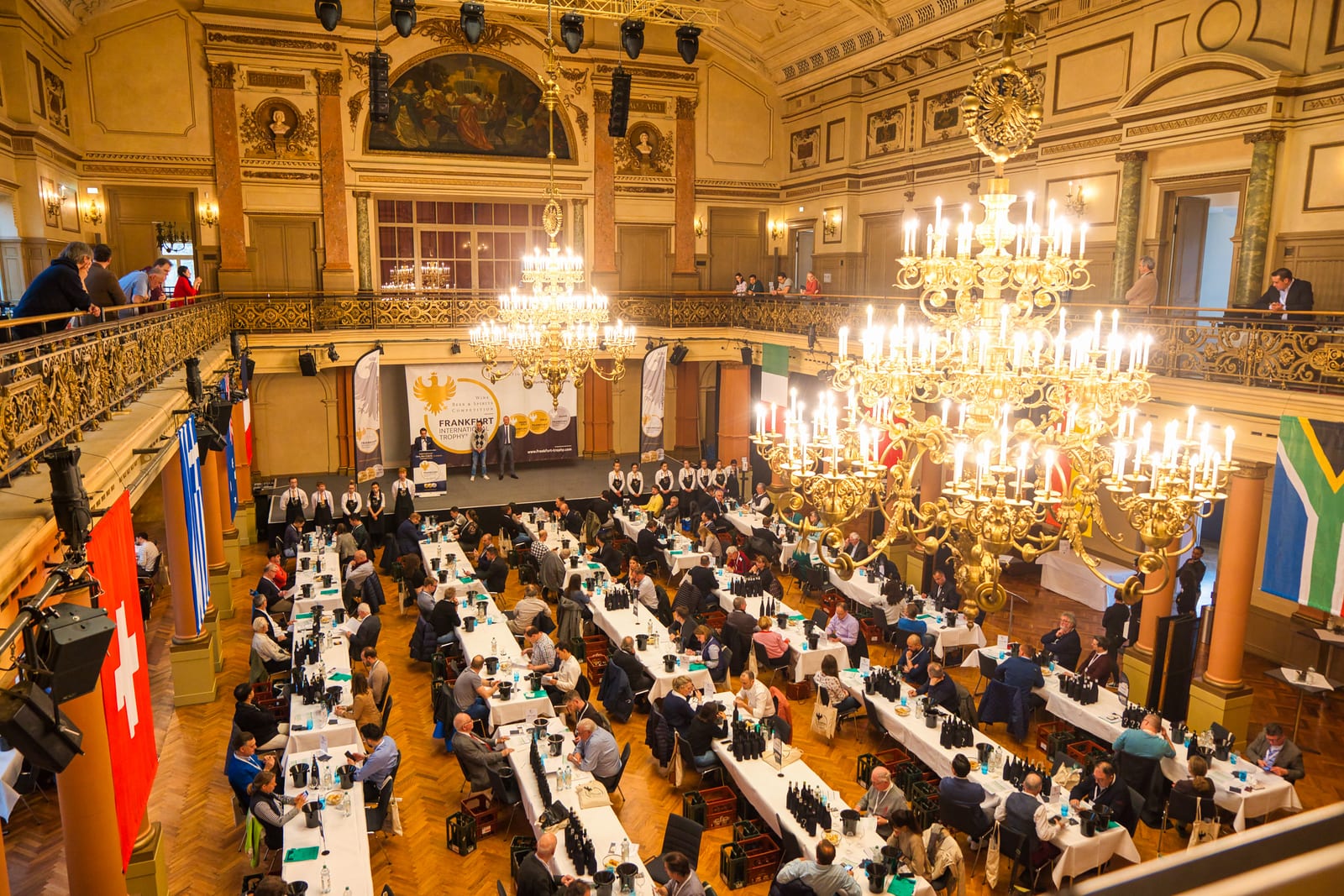
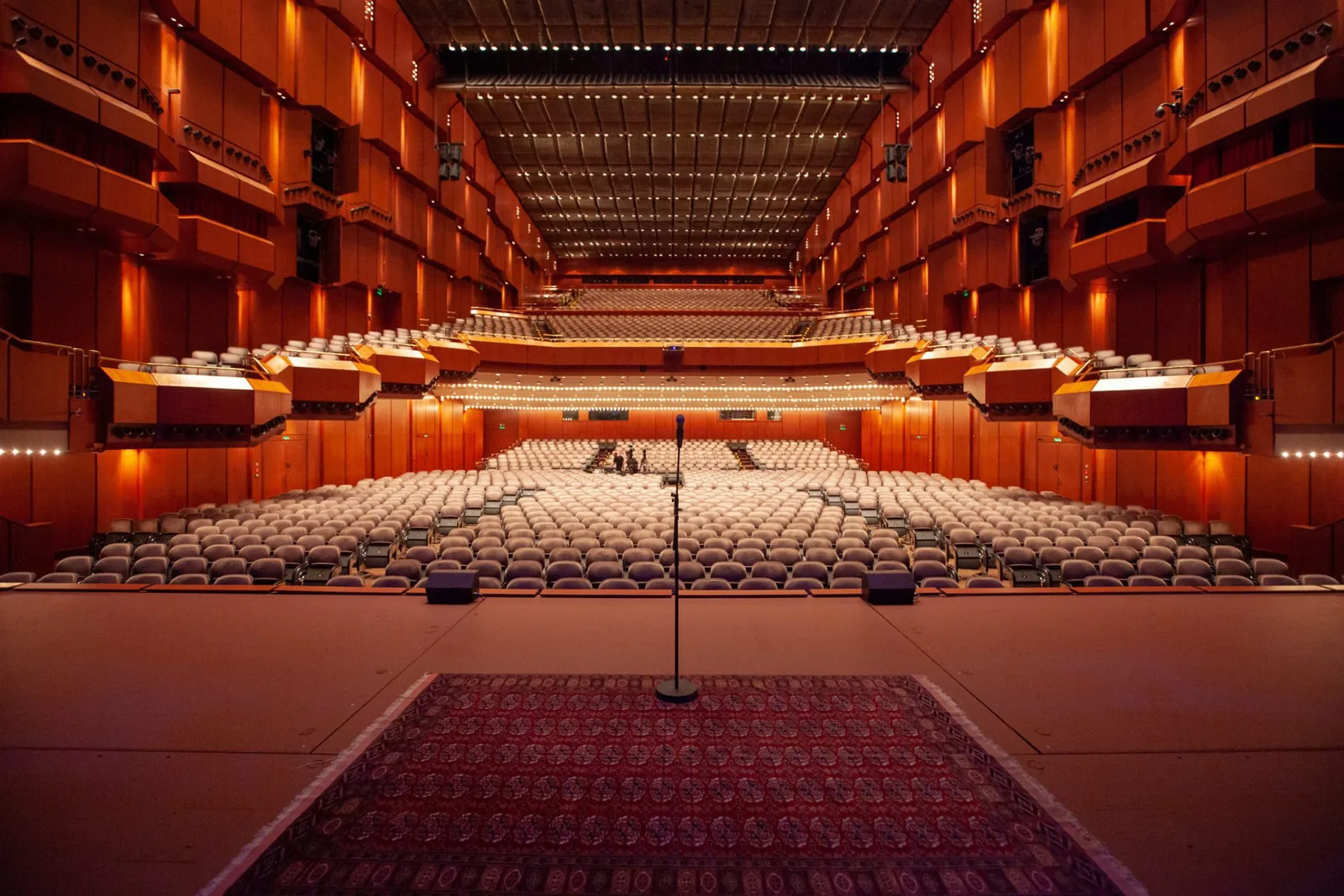
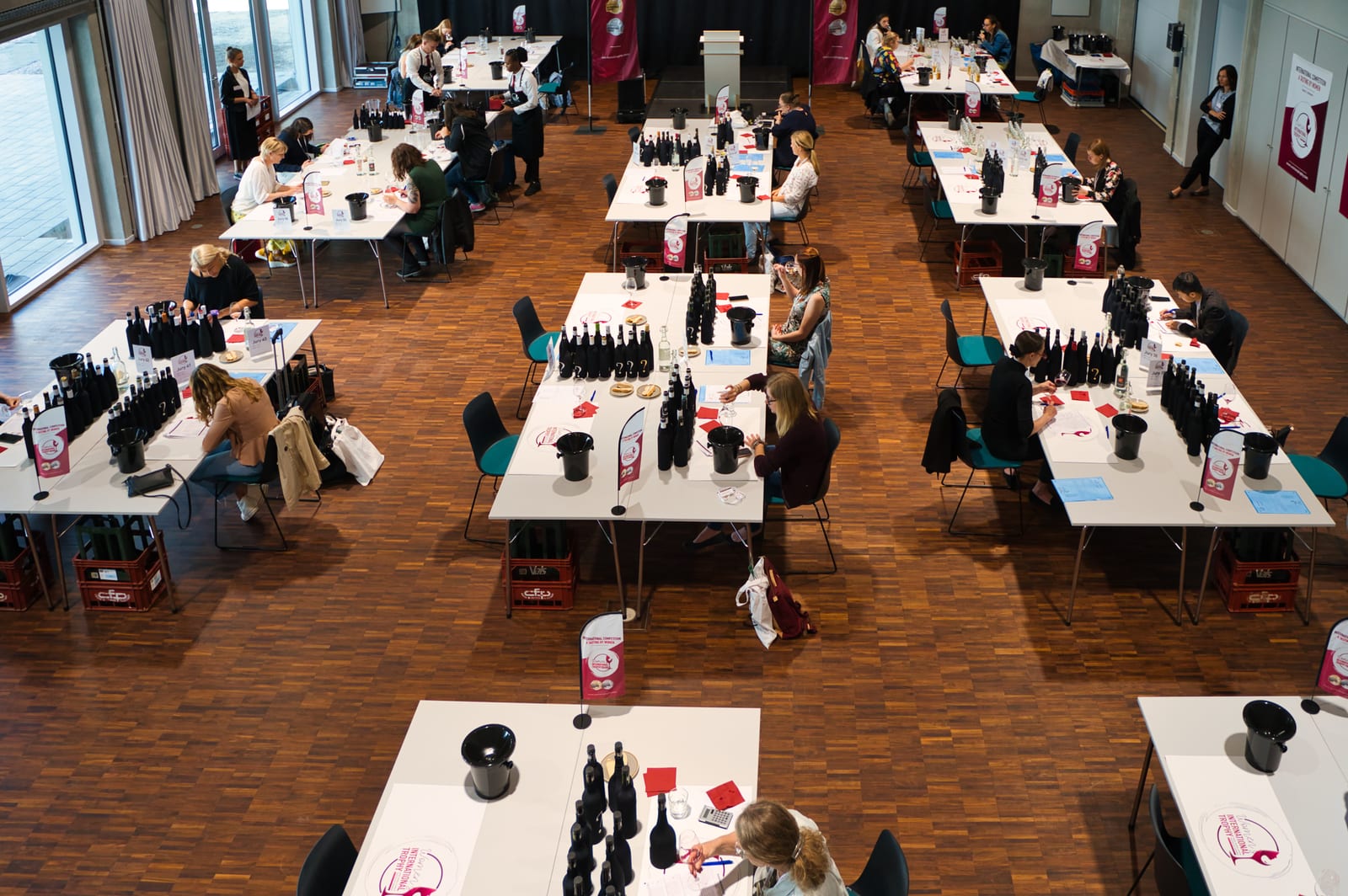
An empty meeting room looks matter-of-fact and rarely inviting. A full seating layout and a matching table setting show what the room can actually do.
Worth shooting, depending on the audience
- theater-style seating
- classroom seating
- boardroom layout
- banquet tables laid for dinner
- a reception or networking situation
Screens and projection surfaces get prepared content. Confidential data, other brands and a makeshift desktop have no place there: they ruin a good frame, and that only becomes clear once the shoot is over.
Plan the exteriors around weather and sun
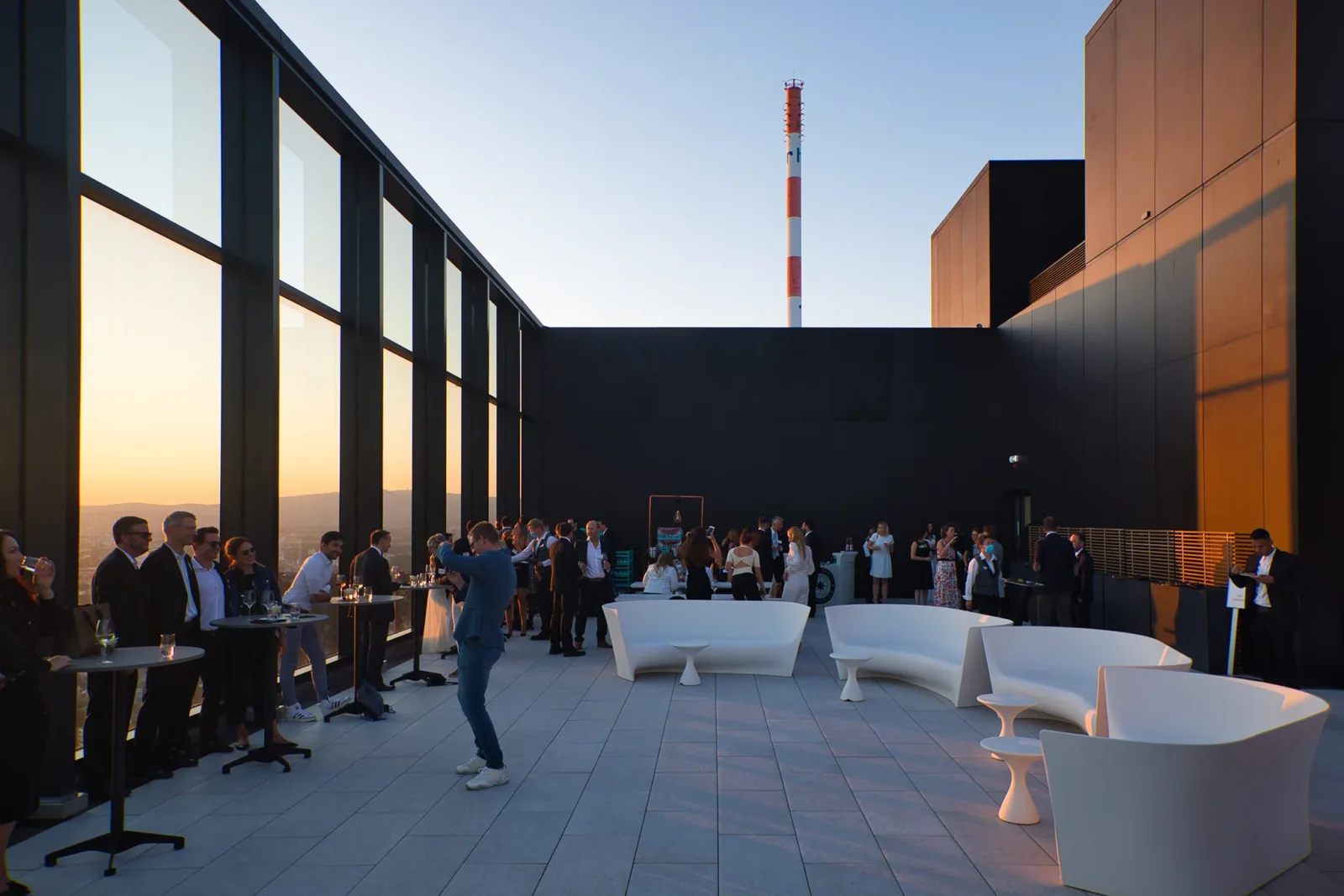
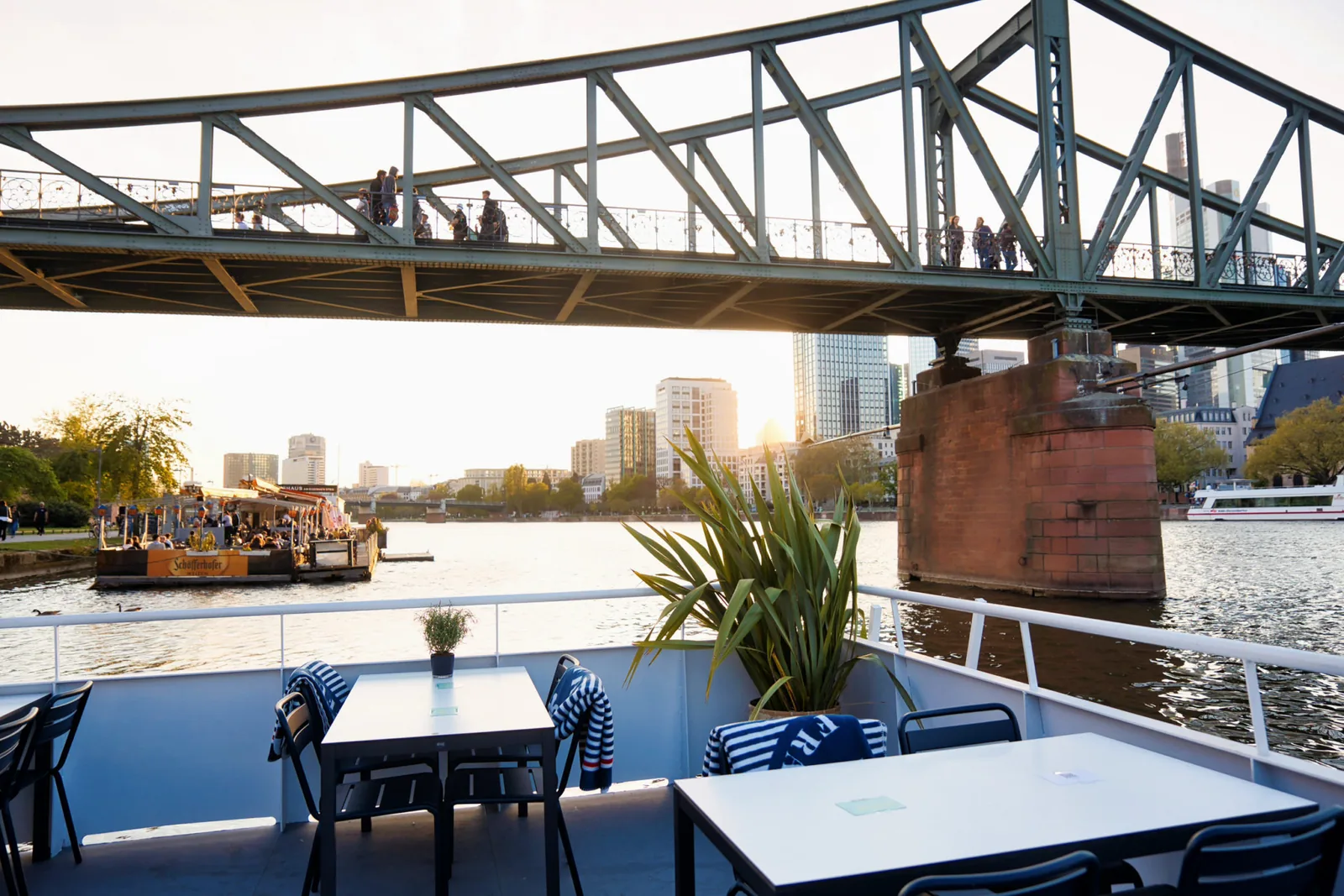
The exterior is often the most important subject a property has, and it depends on the time of day and the weather. Early in the morning the driveway and the entrance are quiet. In the late afternoon and at dusk the mix of remaining daylight and switched-on interior light carries the mood.
Checked before the exteriors
- are the façade and the entrance clean?
- does the exterior lighting work?
- are flags and signage in good condition?
- can parked cars in the way be moved for a while?
- are the terrace and the outdoor furniture fully prepared?
- does seasonal decoration need adjusting?
Weather cannot be ordered. A fallback date in the offer is not caution, it is part of the plan.
Make the lighting consistent
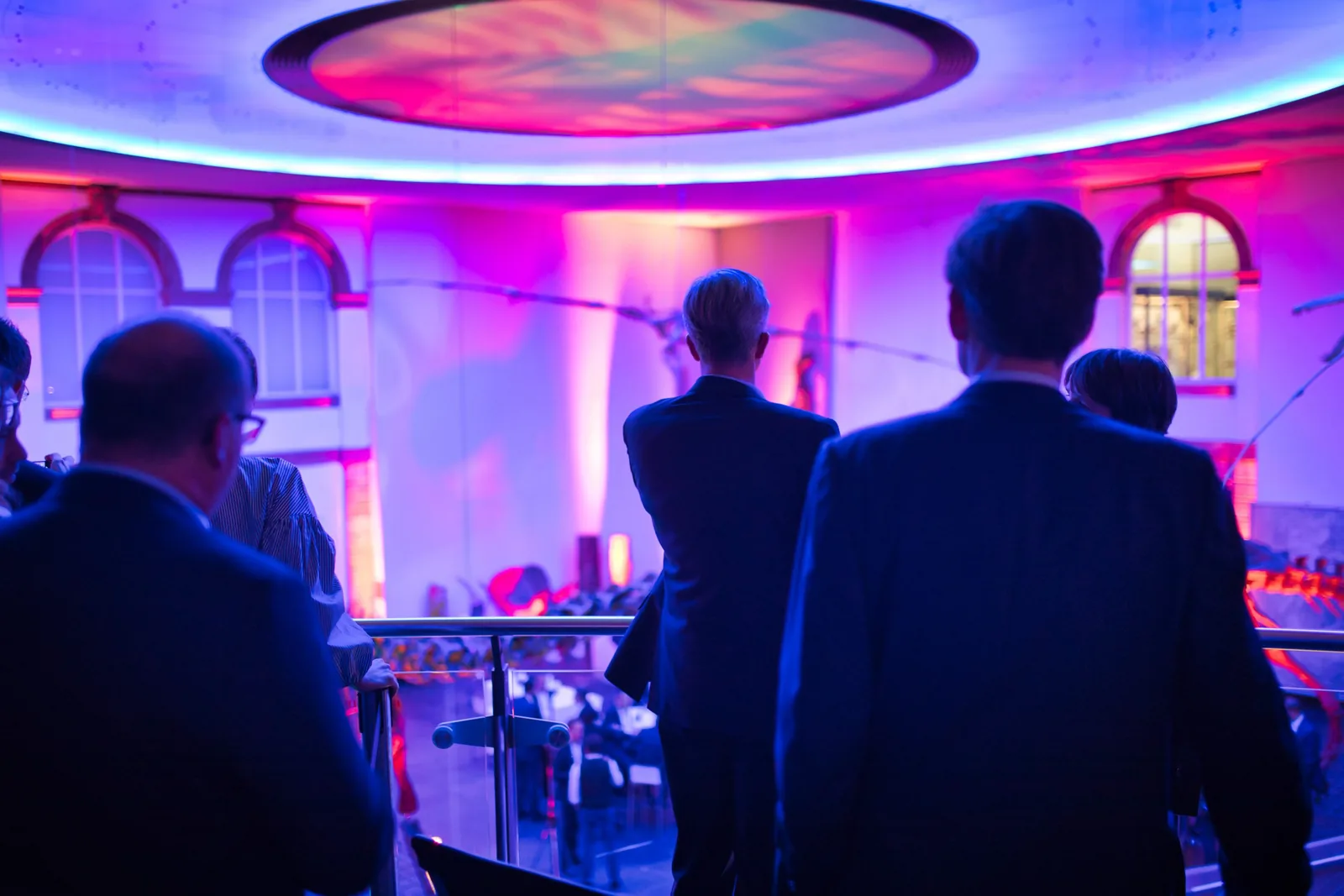
Different bulbs produce different colors in the same room. It shows most where very warm tungsten, cold LEDs and daylight meet.
Broken lamps are replaced beforehand, and where possible the color temperature is brought into line. Every visible fixture should be lit, including the ones the exposure does not need — a dark lamp in a picture reads as a fault.
Timers and motion sensors are the second point. Somebody in the house should know how to keep the relevant circuits switched on, or off, for as long as the shoot lasts.
Set a realistic schedule
How long a hotel shoot takes depends on the number and complexity of the subjects. A room is not photographed in a few minutes: preparation, angle, light and details all take time.
Built into the schedule
- resetting a room between two layouts
- walking distances inside the property
- the availability of staff and models
- preparing the food
- changing light
- guest traffic
- breaks and delays nobody planned
One contact with the authority to decide should be reachable throughout. Most delays do not happen at the subject — they happen at a question nobody present is allowed to answer.
Checklist for the day of the shoot
These points should be settled before the first frame.
- every area to be photographed has been cleaned
- the selected rooms are not occupied
- housekeeping and reception know the schedule
- every light fixture works
- decoration and furniture are complete
- stray cables, signs and working materials have been removed
- staff and models have been briefed
- the clothing that is needed is ready
- food and drinks are timed to the plan
- access to every area is arranged
- a contact with authority to decide is on site
- the shot list is at hand in its current version
After the shoot
Once the shoot is over the pictures are selected and edited. Which file formats, sizes and versions are needed should be settled beforehand — otherwise everything is exported twice.
For long-term use it pays to file the pictures by area or by room category. Marketing, sales and revenue management then find them faster and use them correctly.
When an area is later refurbished or refitted, the affected subjects belong on the list again. Current pictures build trust, and they spare reception the conversation about a room that no longer looks like that.
Look at the hotel work
Careful preparation saves time on the day and keeps the series consistent. I am glad to help with the shot list and the running order while it is still being planned. A selection of earlier work is at hotel photography — projects. For an assessment I need the property, the areas you want covered, and where the pictures are going to be used.
Is your property due for new photographs?
Scope and price are fixed before anything is photographed or filmed. The inquiry commits you to nothing.