A corporate video can explain a service, build trust, introduce the people behind a company or carry the atmosphere of an event. For the finished film to do that job, more has to be settled before the shoot than the location, the camera and the date.
The decisions that matter most are made during preparation. Defining the audience, the message and the intended use early avoids unnecessary shooting days and produces material that stays usable for years.
This guide sets out the information a company needs in order to plan a professional video production.
What should the video achieve?
The first step is not picking a film style, it is settling the goal. A video should do one concrete job. Possible goals are:
- introducing a company or a brand
- explaining a service clearly
- winning new customers
- reaching applicants
- documenting an event
- presenting a product
- building trust through customer voices
- producing content for social media
- passing on internal processes or knowledge
One clear main job beats a long list
A video can support several jobs at once. One clear main job is what makes the length, the structure and the visual language decidable.
“We need an image film” is therefore not yet a complete goal. More precise would be: “Potential business customers should understand within 90 seconds what sets us apart from other providers.”
Defining the audience
A film for existing customers needs a different tone than a recruiting video for apprentices. Language, pace, subjects and the platform it is published on all follow from the audience. These questions should be answered before production starts:
- Who is meant to see the video?
- What does that person already know about the company?
- What problem or interest are they bringing with them?
- Which piece of information matters for their decision?
- What should they do after watching?
Choosing the right video format
Not every job calls for a classic image film. Depending on the goal, another format may serve it better.
An image film conveys the identity, the values and the working style of a company. It suits websites, presentations, events and internal communication.
A recruiting video speaks to potential applicants. It centers on everyday work, company culture, room to grow and honest statements from the people already there.
A product or explainer video presents a specific service, product or process in a way people understand. The benefit to the customer should be visible quickly.
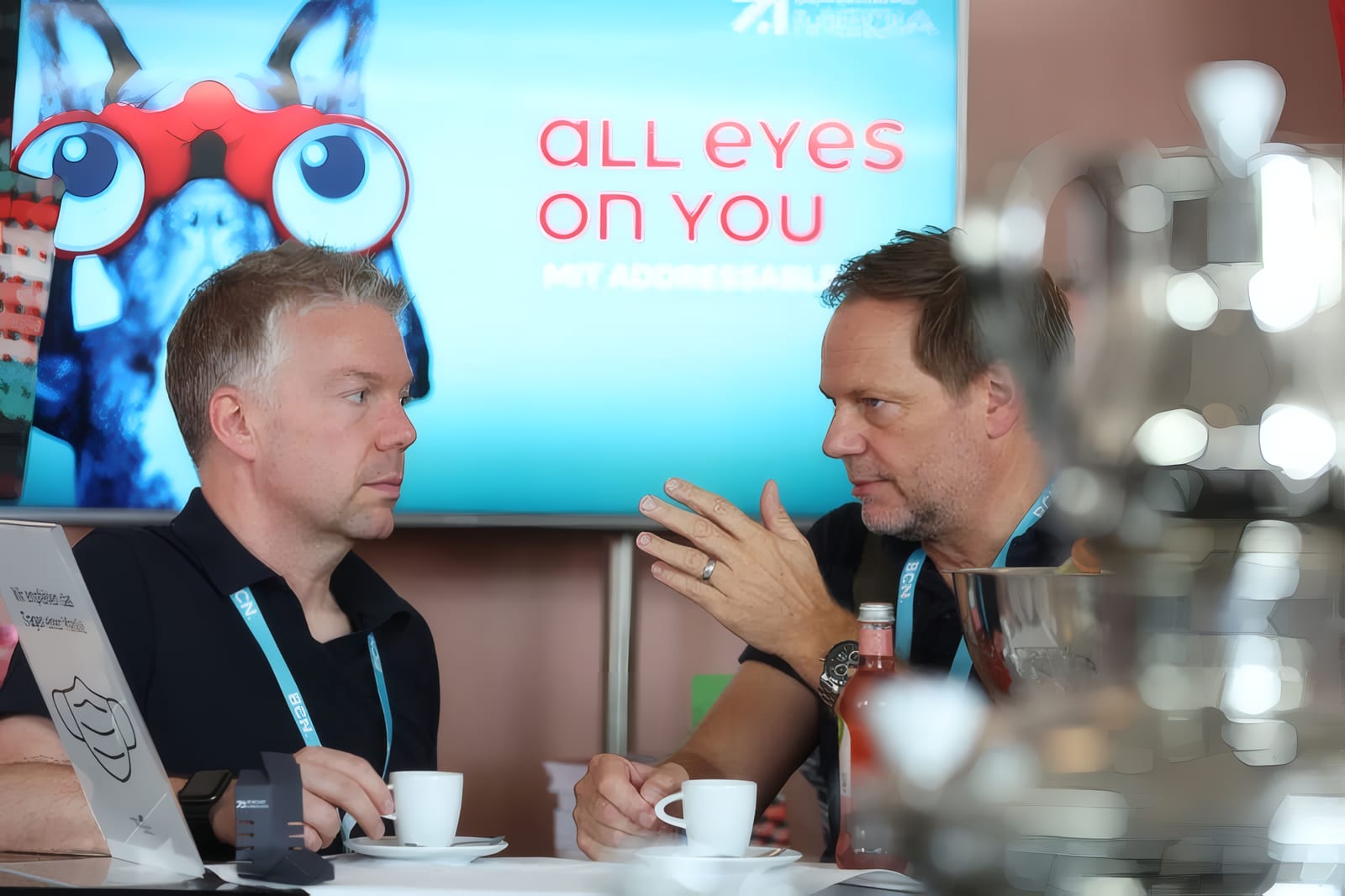
An interview or customer testimonial carries expertise, personality and trust. A testimonial shows the experience from the client’s side of the table.
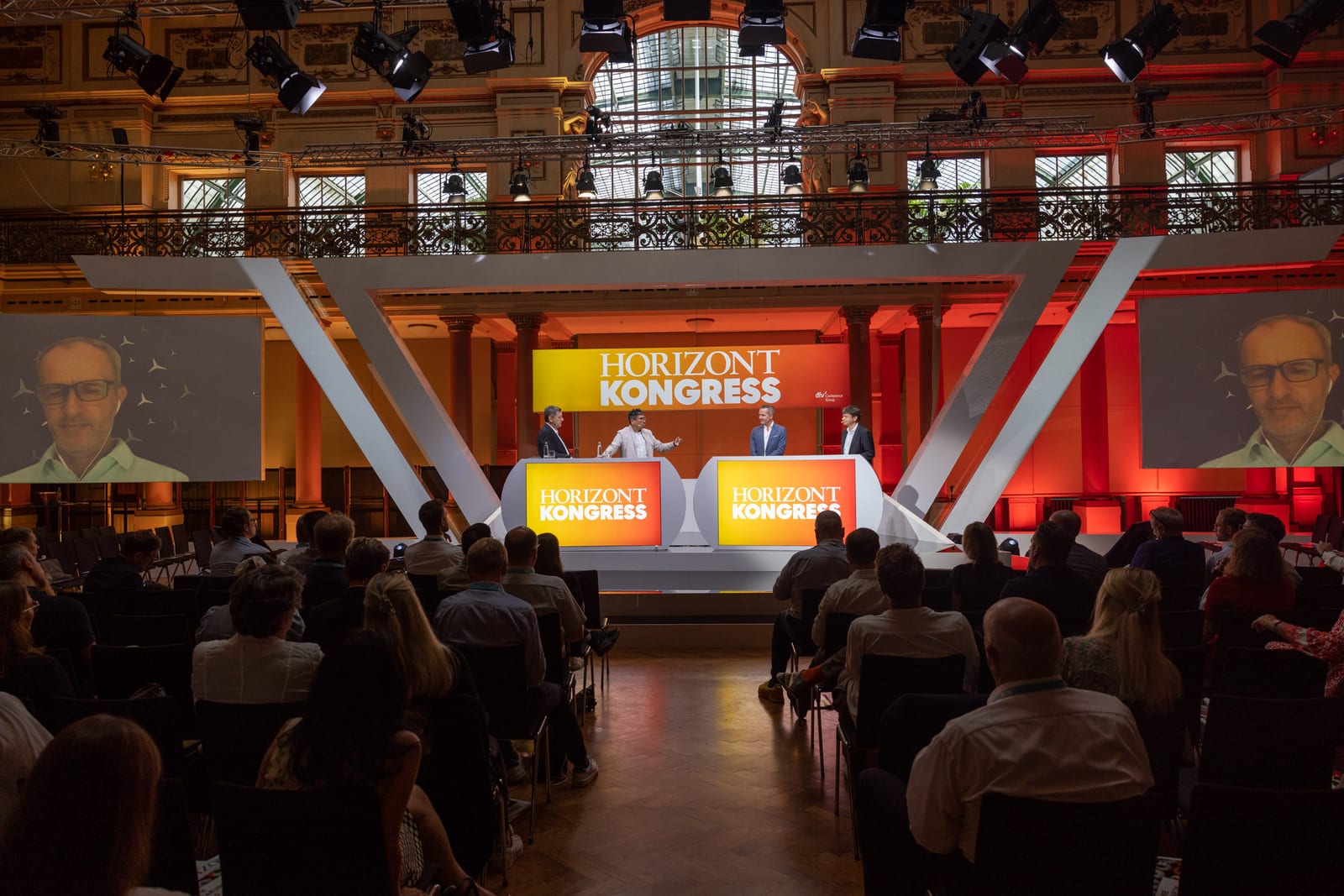
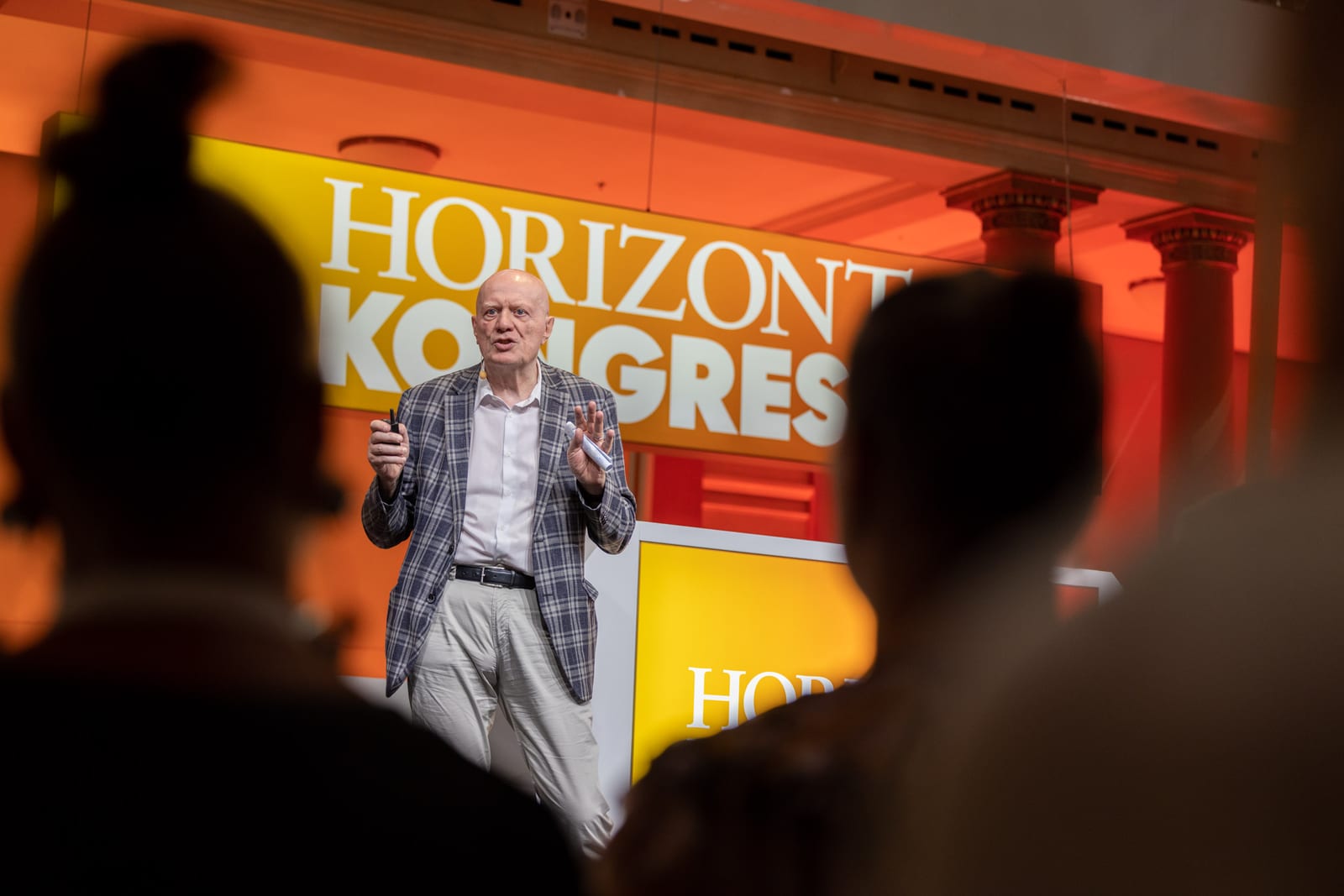
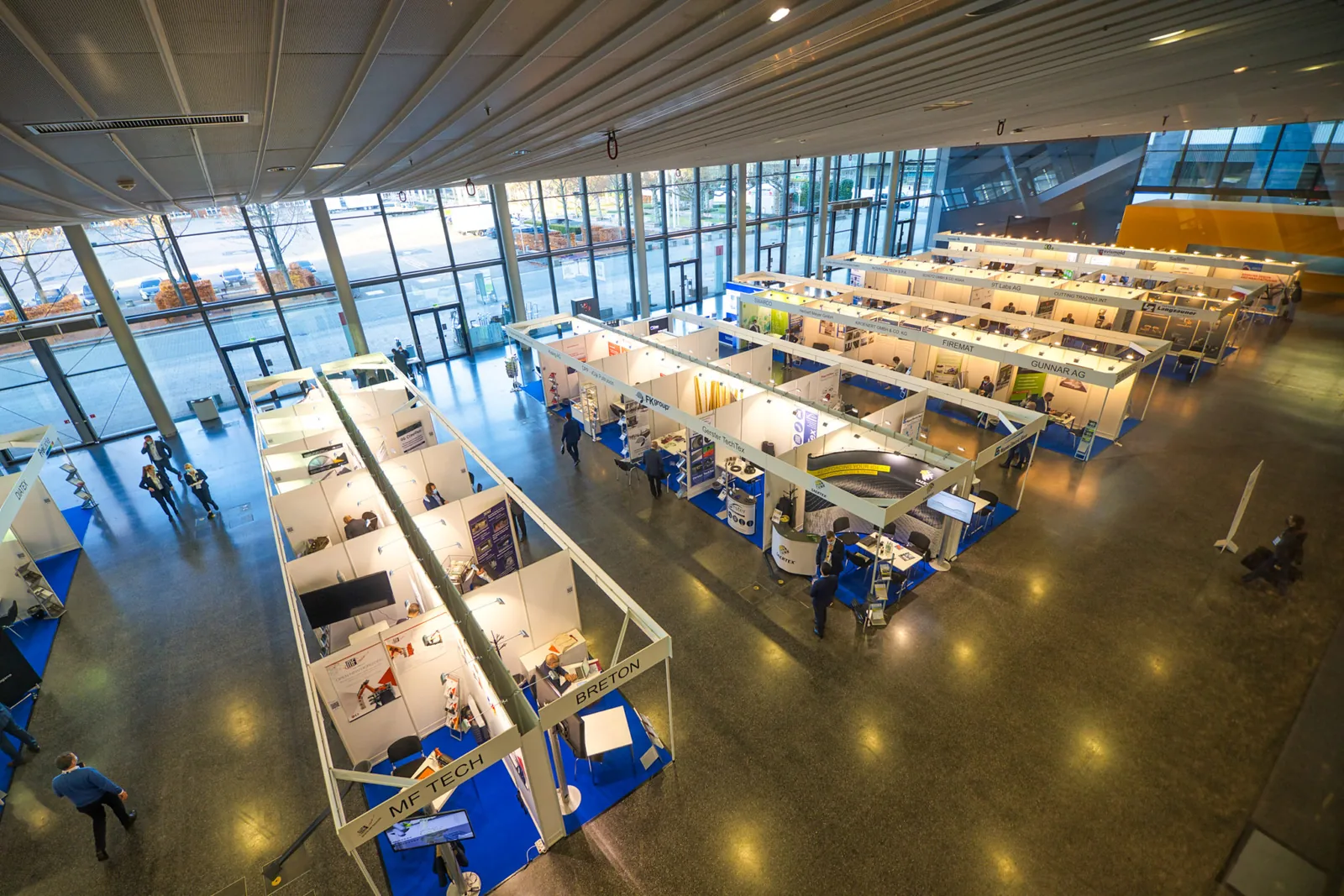
An event trailer or aftermovie gathers the atmosphere, the items on the agenda and the reactions. It works as a record of the day and as advertising for the next edition at the same time. Examples are under event trailers.
Social media content is made as short vertical or horizontal cuts for Instagram, LinkedIn or YouTube. It is often worth recording several short pieces during the same production.
Formulating one central message
A common mistake is trying to fit too much information into one film. The result grows long and loses its clarity.
One single sentence helps: after watching, the audience should have understood that …
That sentence then works as a filter for every further decision. Anything that does not serve the central statement can move into a separate video, an article or a page of its own.
Where will the video be published?
Where the film will be used has to be known before the shoot. A video for a home page is not the same thing as a post on Instagram or a presentation on a large screen. Possible channels are:
- the company website and landing pages
- YouTube
- Instagram and Facebook
- trade fairs and events
- job advertisements
- newsletters
- internal communication
- digital advertising

One shoot, several aspect ratios
Several channels usually mean several aspect ratios. Alongside the classic landscape format, vertical and square crops can matter.
Those variants belong in the framing and the camera position from the start. Cropping afterwards does not work cleanly for every shot.
Developing the concept and the running order
The concept grows out of the goal, the audience and the message. It settles which story the film tells and which images it needs in order to tell it. A concept can contain:
- a short summary of the content
- structure and running order
- the intended length
- interview partners or a narrator
- the locations required
- the key situations and subjects
- style and mood
- music and sound
- captions and graphics
- the planned output formats

Script, storyboard or shot list
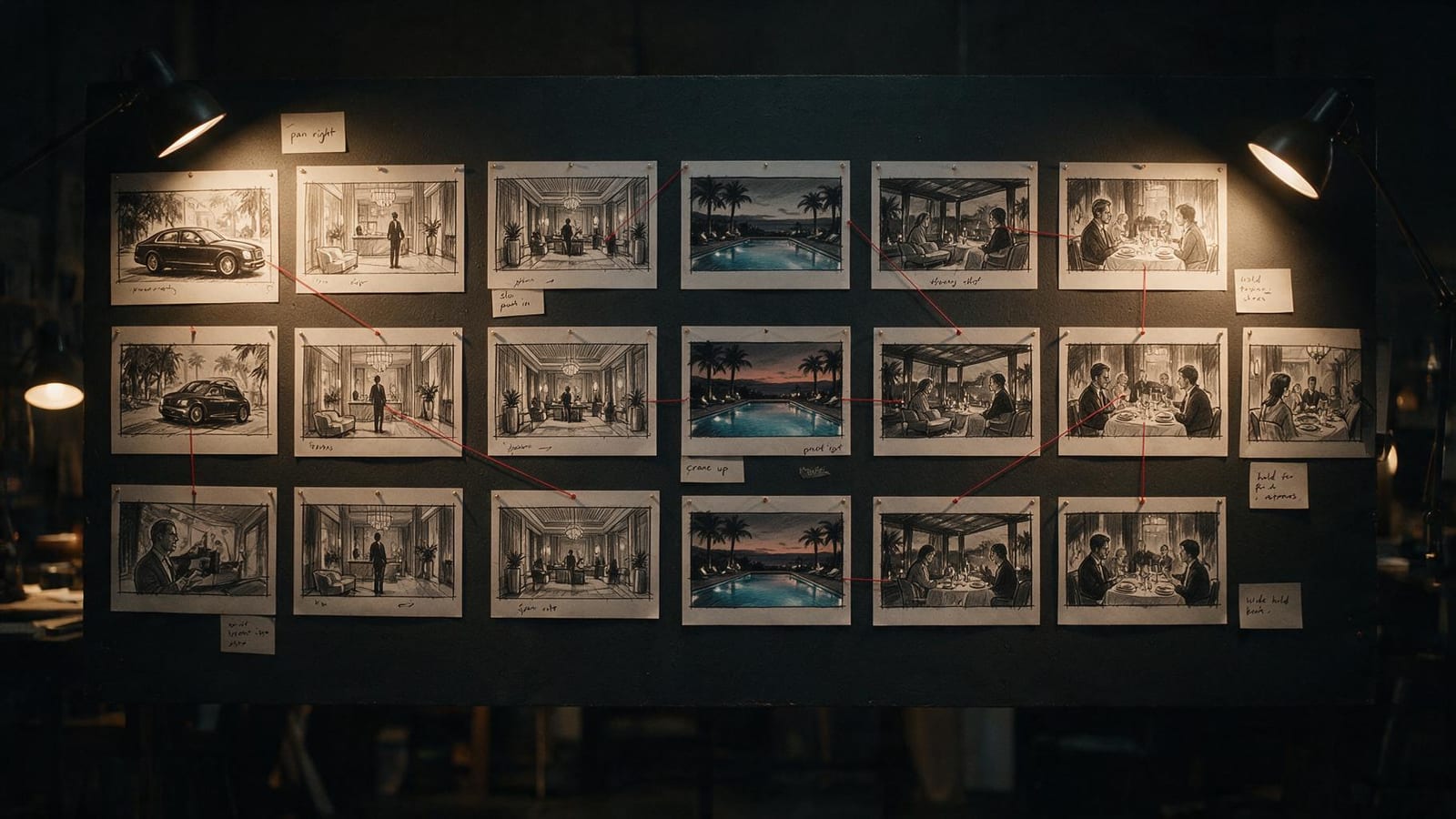
Depending on the scale, the concept becomes a script, a storyboard or a structured shot list.
Not every production needs a fully written script. Binding planning is what keeps an important shot from being missing at the end of the shooting day.
Preparing interviews properly
Interviews carry the most weight when the answers sound natural. Lines learned word for word usually come across as stiff.
Preparing with topics and guiding questions works better. The person being interviewed knows what the conversation is about and still answers in their own words. Before the shoot, settle the following:
- Who speaks in the video?
- Which professional or personal topics does that person cover?
- Which statements cannot be left out?
- Are there phrasings that should be avoided?
- Is the interview played straight to camera or to an interviewer?
- Which language is spoken?

A quiet room is part of the equipment
Interviews need a quiet room. Ventilation, telephones, building sites or people walking past all get into the sound recording.
How much rides on the sound, and how little gear it takes, is in better sound recordings on a smartphone.
Preparing the locations
A room can look fine day to day and still read as cluttered on camera. Small objects, cables, packaging or mismatched lighting stand out immediately in a film. Walk the intended areas before the shooting day:
- Is the room clean and tidy?
- Could confidential documents be visible?
- Do all the lamps work?
- Is disruptive noise to be expected?
- Do access routes or parking spaces need arranging?
- Is there enough space for camera, light and sound?
- Are permits required?
- Could customers or uninvolved staff appear in the background?

Coordinating staff and everyone involved
A short site visit, or a few current photographs sent over, makes the preparation much easier.
Everyone who appears in the video should be told early. That includes not only the interview partners but also staff shown at work and people in the background. What matters:
- exact times
- how long they are needed
- suitable clothing
- visible logos or brands
- a contact person on the shooting day
- permission to use the footage
Clothing that holds up on camera
Clothing with very fine patterns, large third-party logos or strongly reflective material tends to work against the camera. Having a second or third top to choose from is often what saves a setup.
How does the shooting day run?
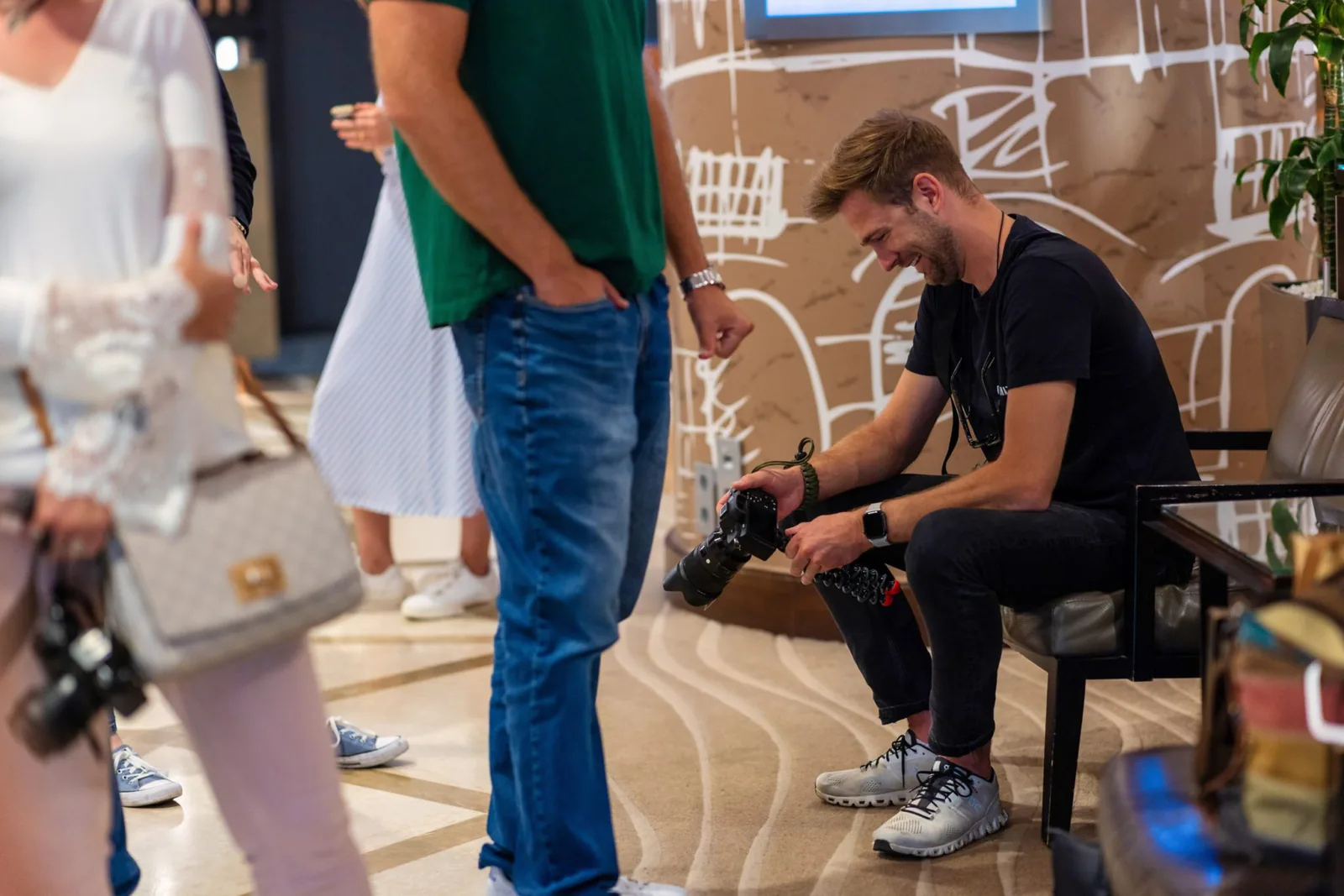
The shooting day normally starts with the setup and the technical preparation: camera, light and sound. The planned interviews and the supporting scenes follow.
How long it actually takes depends on the number of subjects, locations and people involved. Rebuilds, retakes and walking between rooms all need a buffer.
One responsible person on the company side should be reachable throughout. That person can open rooms, coordinate staff and make the small decisions the day throws up.
What happens after the shoot?
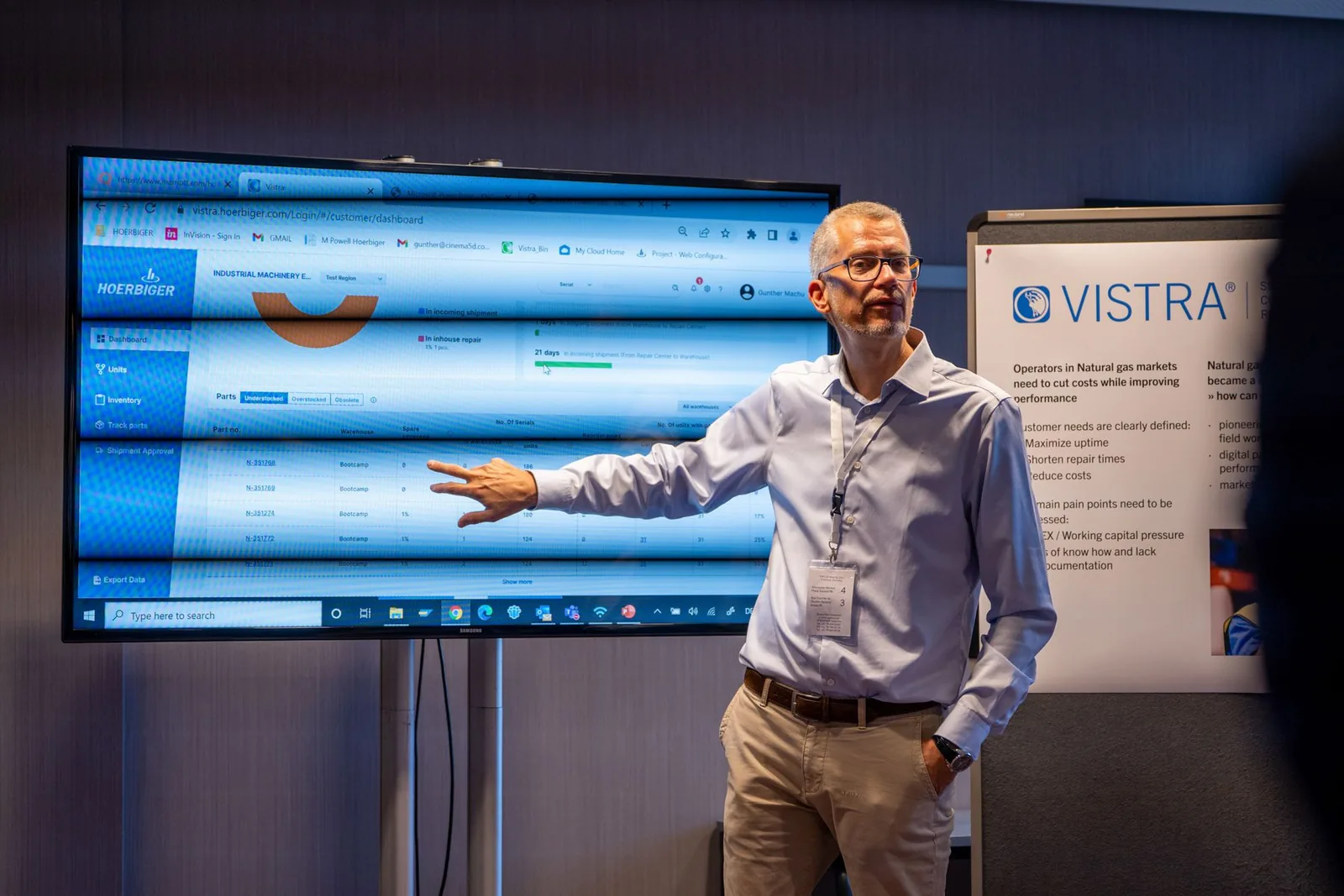
Post-production begins once the recording is done. The material is reviewed, selected and assembled into a story that holds together. Depending on the project, that includes:
- selecting the best takes
- the edit itself
- color and contrast grading
- cleaning up and mixing the sound
- selecting and licensing music
- name and role captions
- subtitles
- logos and graphics
- different language or format versions
- shared rounds of corrections
- export for the intended platforms
Feedback bundled, not one note at a time
Agreeing on the contact people in advance, and bundling the feedback, is what keeps the sign-off short. Where several departments are involved, the company should collect the responses internally and send them over as one consolidated list.
What drives the cost of a video production?
The price comes from the whole production effort, not from the running time of the finished video. The main factors are:
- the scale of concept and preparation
- the number of locations and shooting days
- the size of the crew required
- technical requirements
- the number of interviews and people on camera
- the effort in editing and sound
- animation or graphics
- music and voice-over licenses
- subtitles and language versions
- the number of output formats wanted
- how many rounds of corrections are planned
- the intended fields of use
Short does not mean cheap
A short video can take more work than a longer film when it needs many locations, several people on camera or specialist shots. How pricing works here is on prices.
What belongs in a project inquiry?
For a first assessment, the following details help:
- company and contact person
- the goal of the video
- the primary audience
- the video format wanted
- where it is to be published
- roughly the length you have in mind
- possible locations
- the people involved
- the completion date you are working towards
- the language and format versions needed
- the budget or budget range available
Request a corporate video production
Not every detail has to be fixed already. A clear description of the starting point is enough to work out the right approach together.
A professional video production starts with a clear goal and realistic planning. I am glad to help turn a first idea into a concept that can actually be shot.
Examples from previous productions are under video production. For a first assessment, send me the key facts about your company, the video you have in mind and the release date you are planning for.
Does your film need a concept?
Scope and price are fixed before anything is photographed or filmed. The inquiry commits you to nothing.