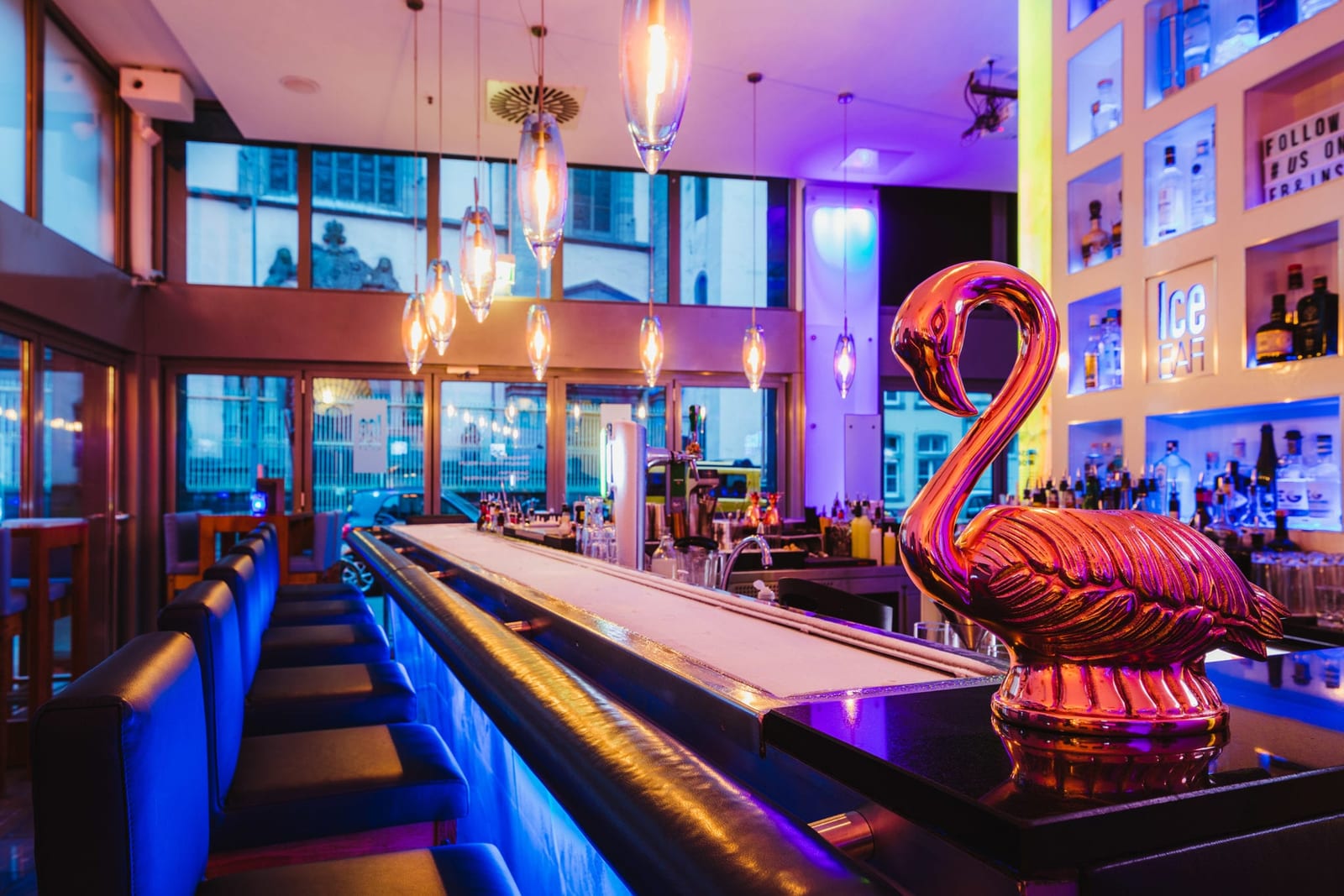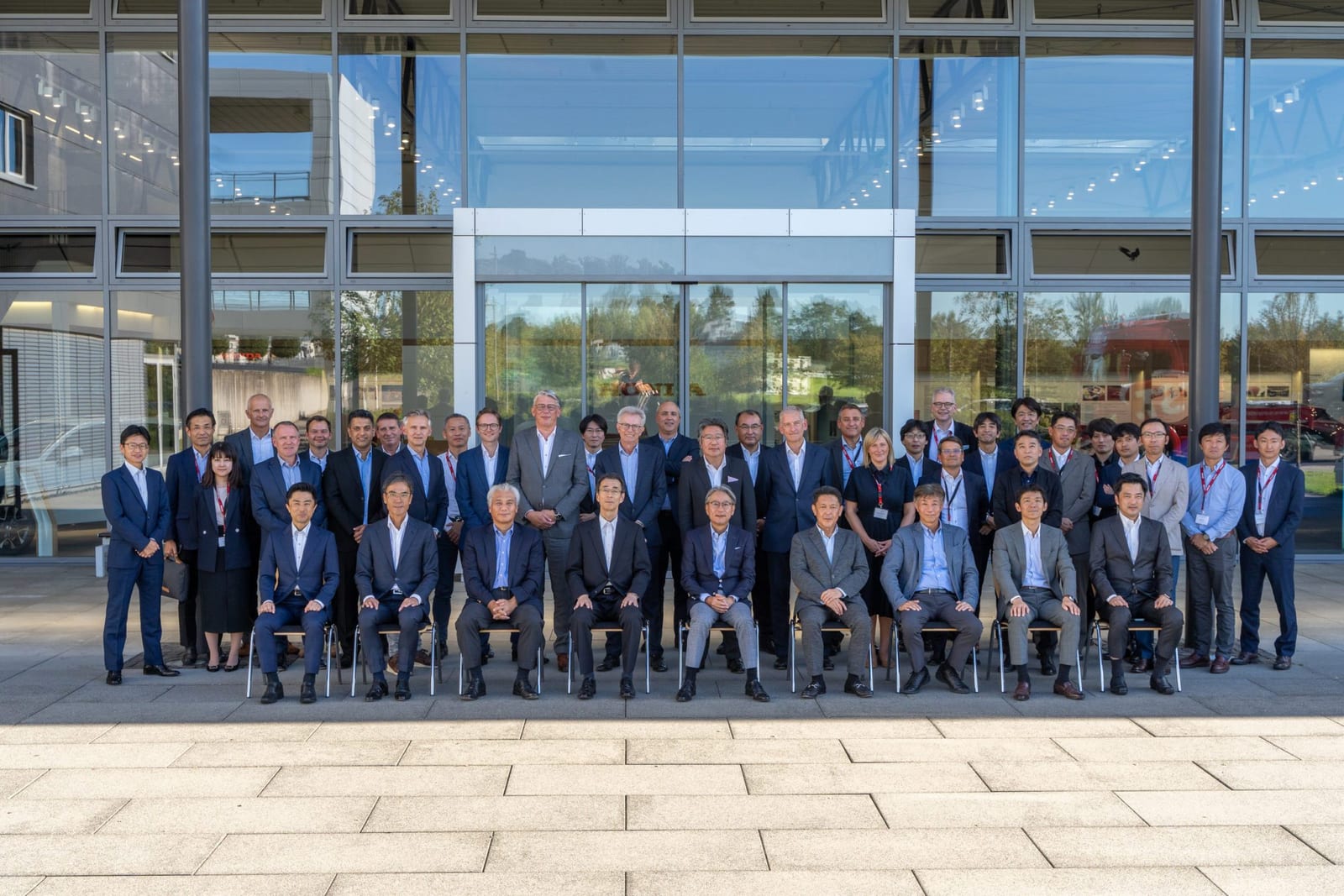
An annual report brings figures, text and design together. The photography therefore has to do more than deliver a few attractive frames. It needs a recognizable set, several aspect ratios and enough room for the layout.
Having trained and worked in photography, film and design, I know not only the shot but what happens to it afterwards. Where a production also involves a cover, an opening sequence or a printed piece, those requirements can be taken into account from the start.
The subjects usually needed
- management and the people responsible,
- locations and architecture,
- real working and production situations,
- employees and collaboration,
- products and details,
- sustainability or social commitment,
- pictures to open a chapter,
- calm frames with room for text.
One set instead of separate picture worlds
When portraits, architecture and working situations are produced independently of each other, the color, contrast and atmosphere drift apart. So before the shoot I agree a consistent visual language that holds for the whole set.
Name the layout requirements early
The planned page sizes, the double pages and the text areas should be known. One subject can be shot as a landscape, a portrait and a further variant. The design then stays flexible without having to crop important people or details awkwardly.
Use the material beyond the report
The same production can supply current press pictures, website frames and social media formats. Planning them together saves duplicate shoots and keeps the company’s appearance consistent.
Examples from industry, hospitality, retail and associations are under projects and clients and references.
Need new pictures of your team?
Scope and price are fixed before anything is photographed or filmed. The inquiry commits you to nothing.