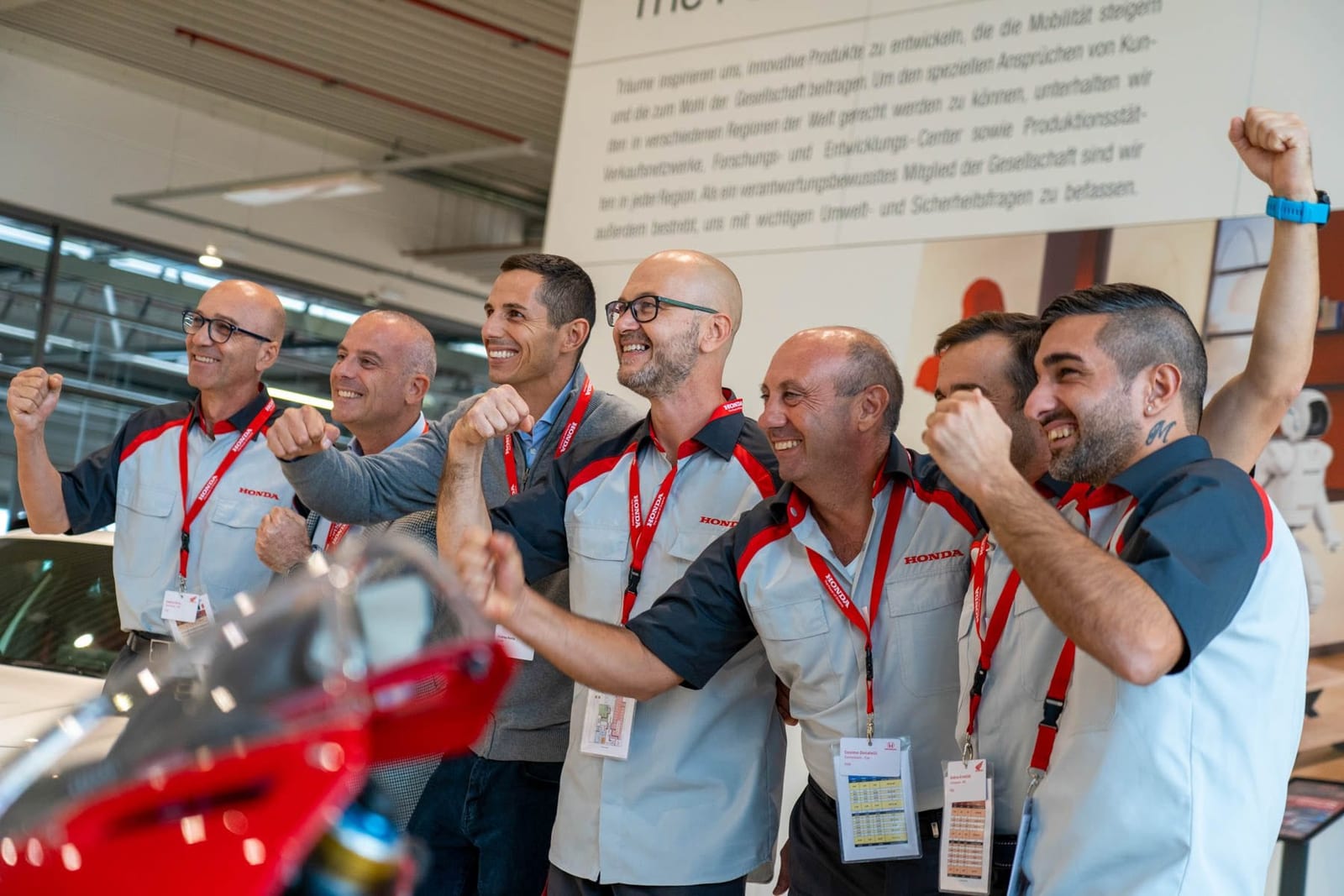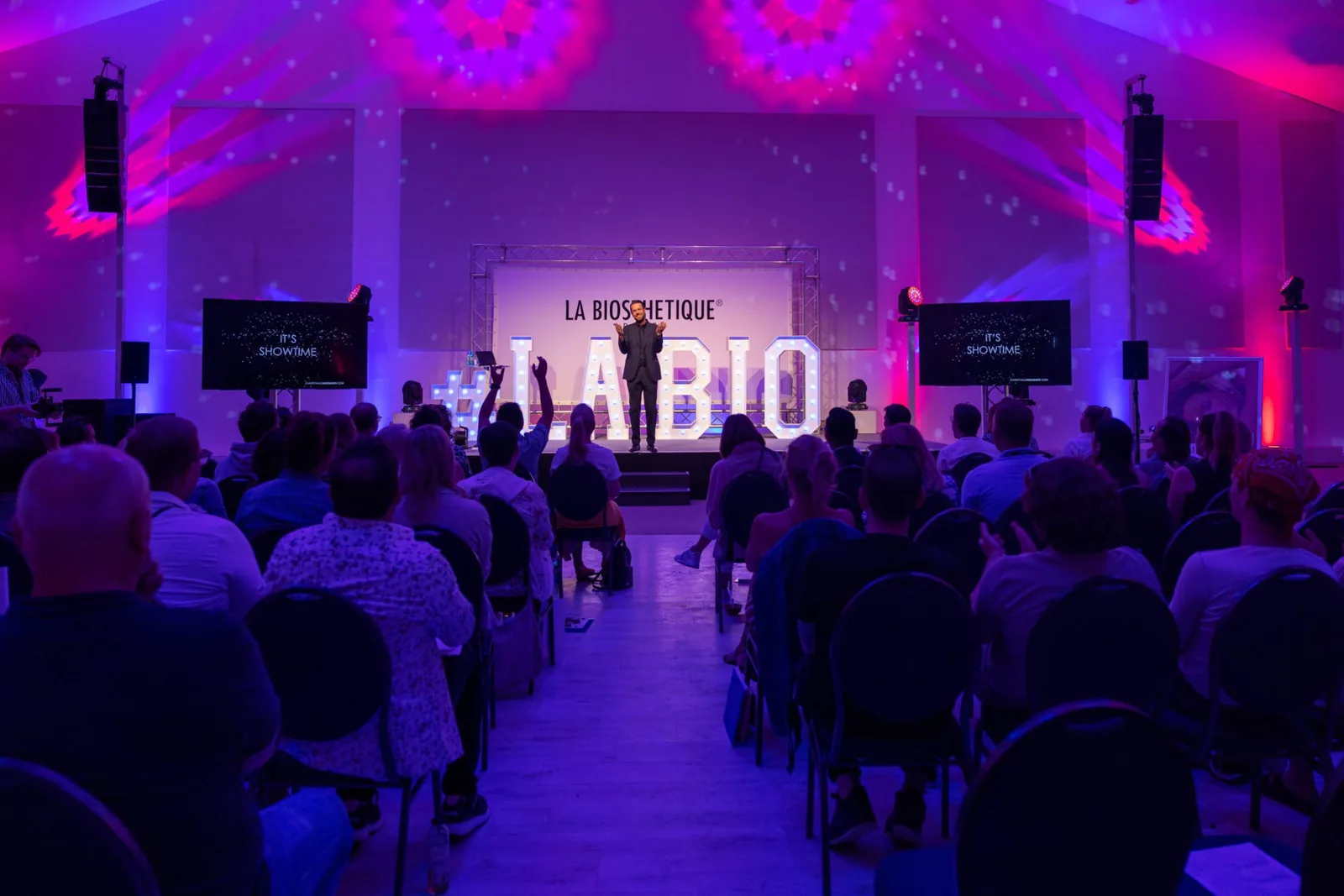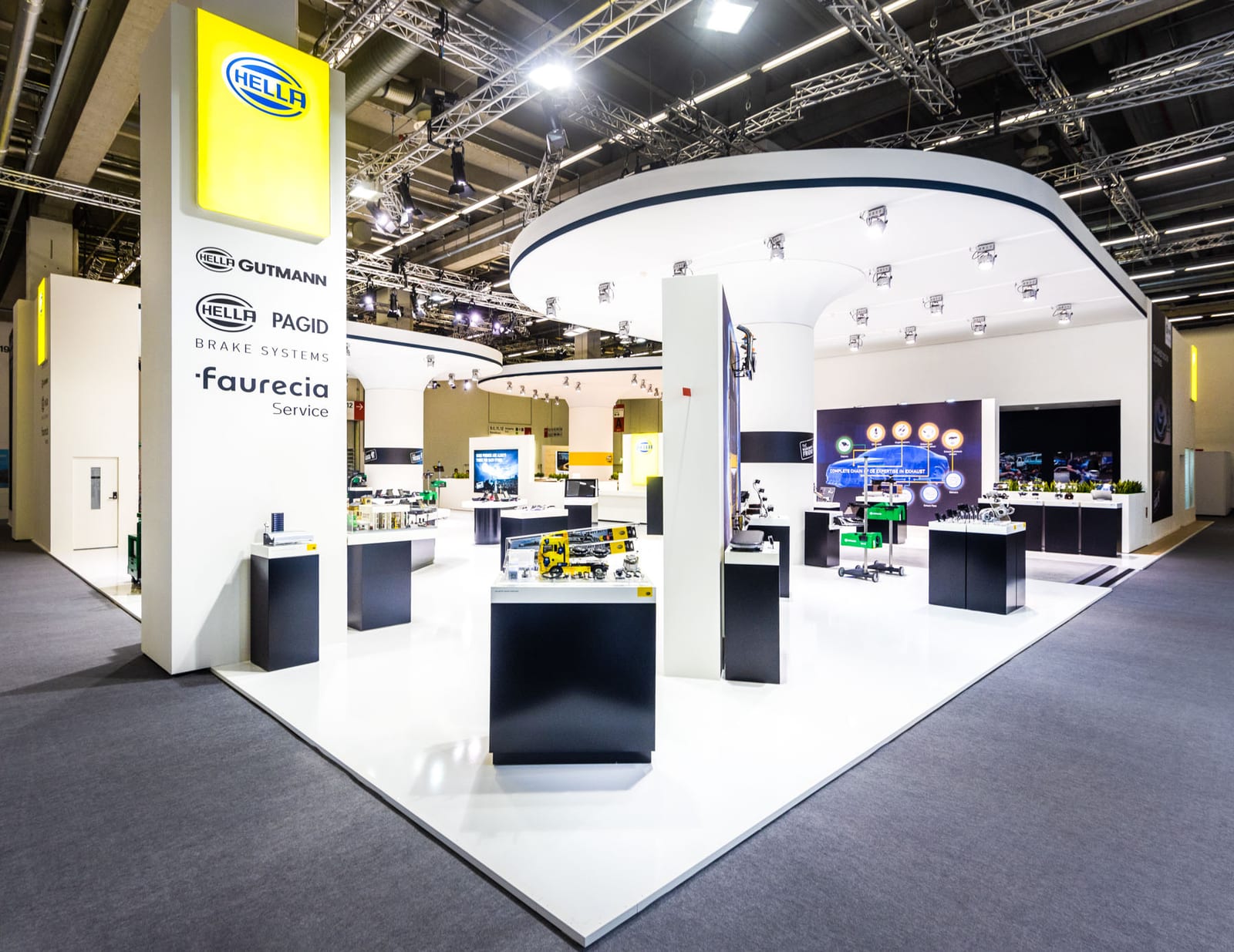
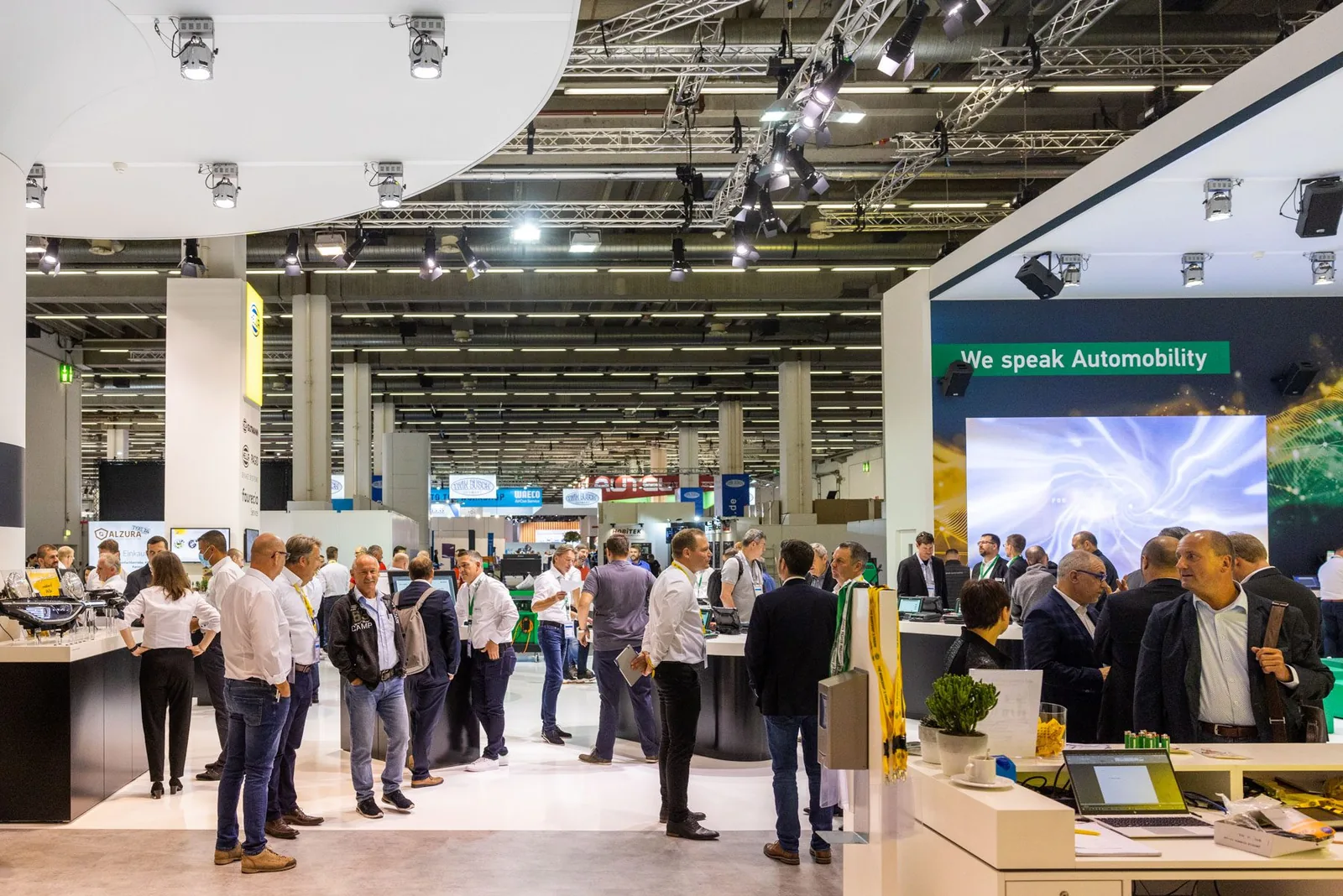
The Hella appearance at Automechanika Frankfurt combined stand architecture, product presentations, conversations and technical demonstrations. The photographic record therefore had to make both the size and design of the appearance and the concrete interactions at the stand visible.
Those are two jobs with opposite demands on position and focal length, and both have to be done inside the same few days of the fair.
The overview and the close view
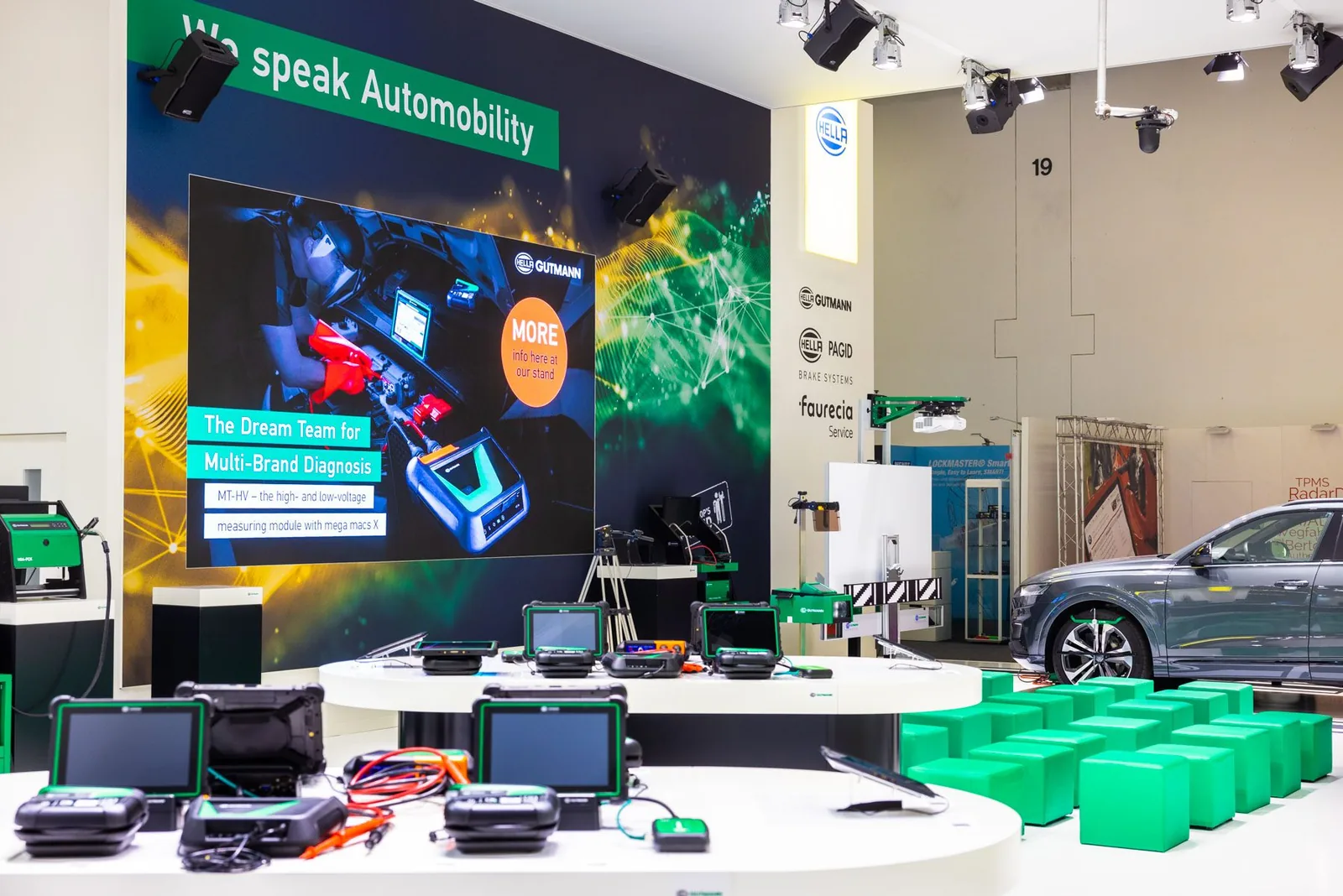
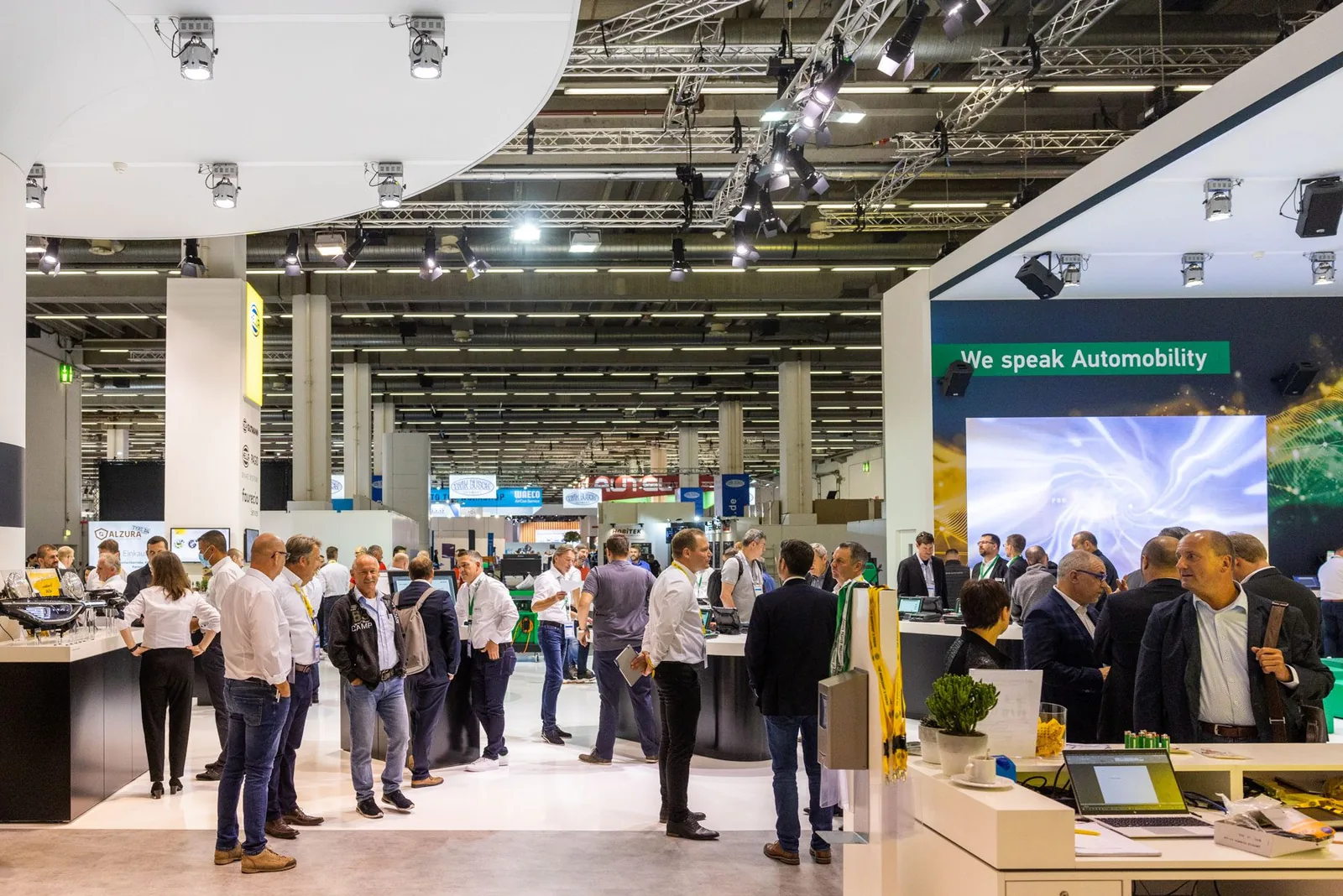
Wide frames place the brand inside the exhibition hall and show how visitors are led through the stand. They answer the question of scale, which detail frames never do.
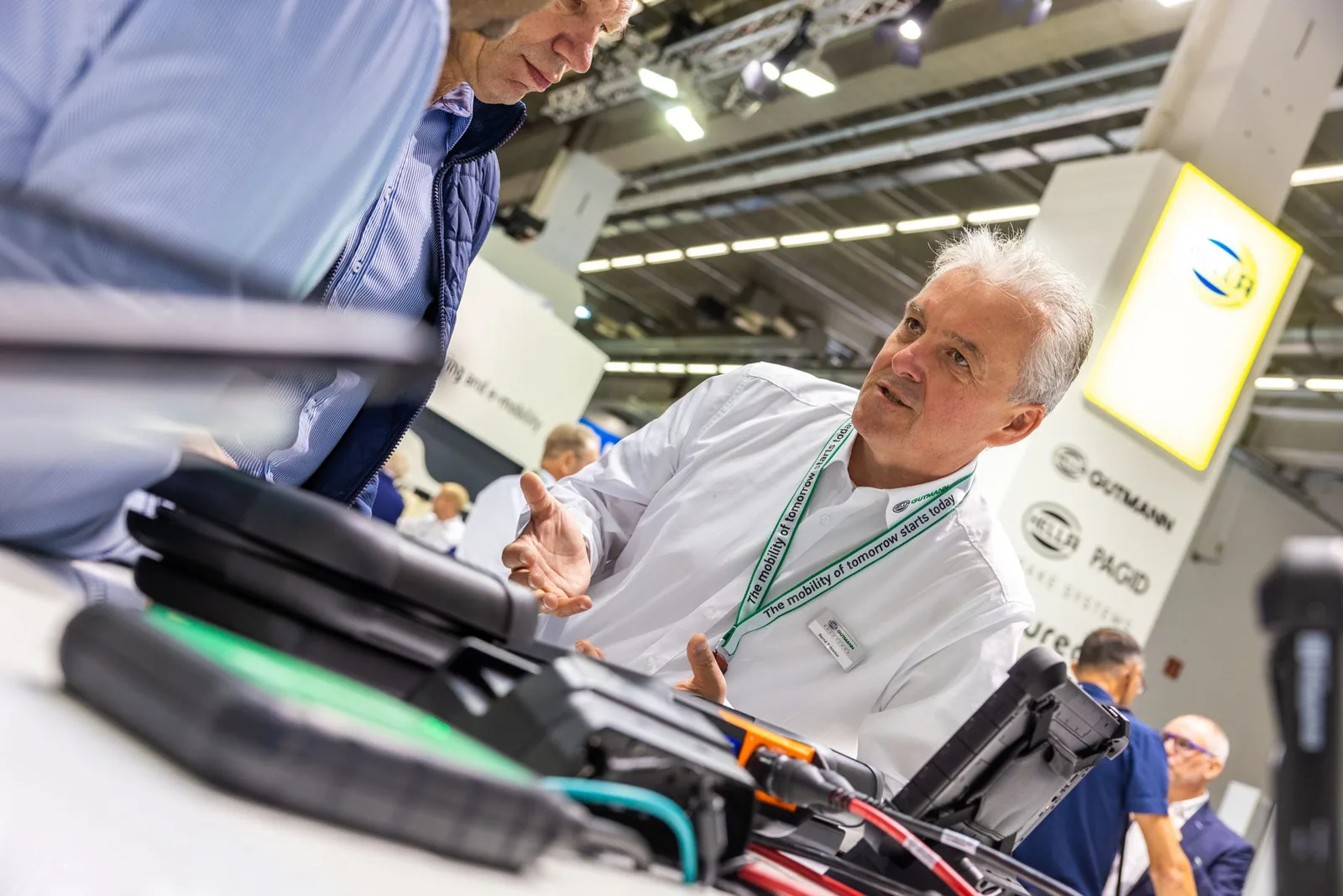
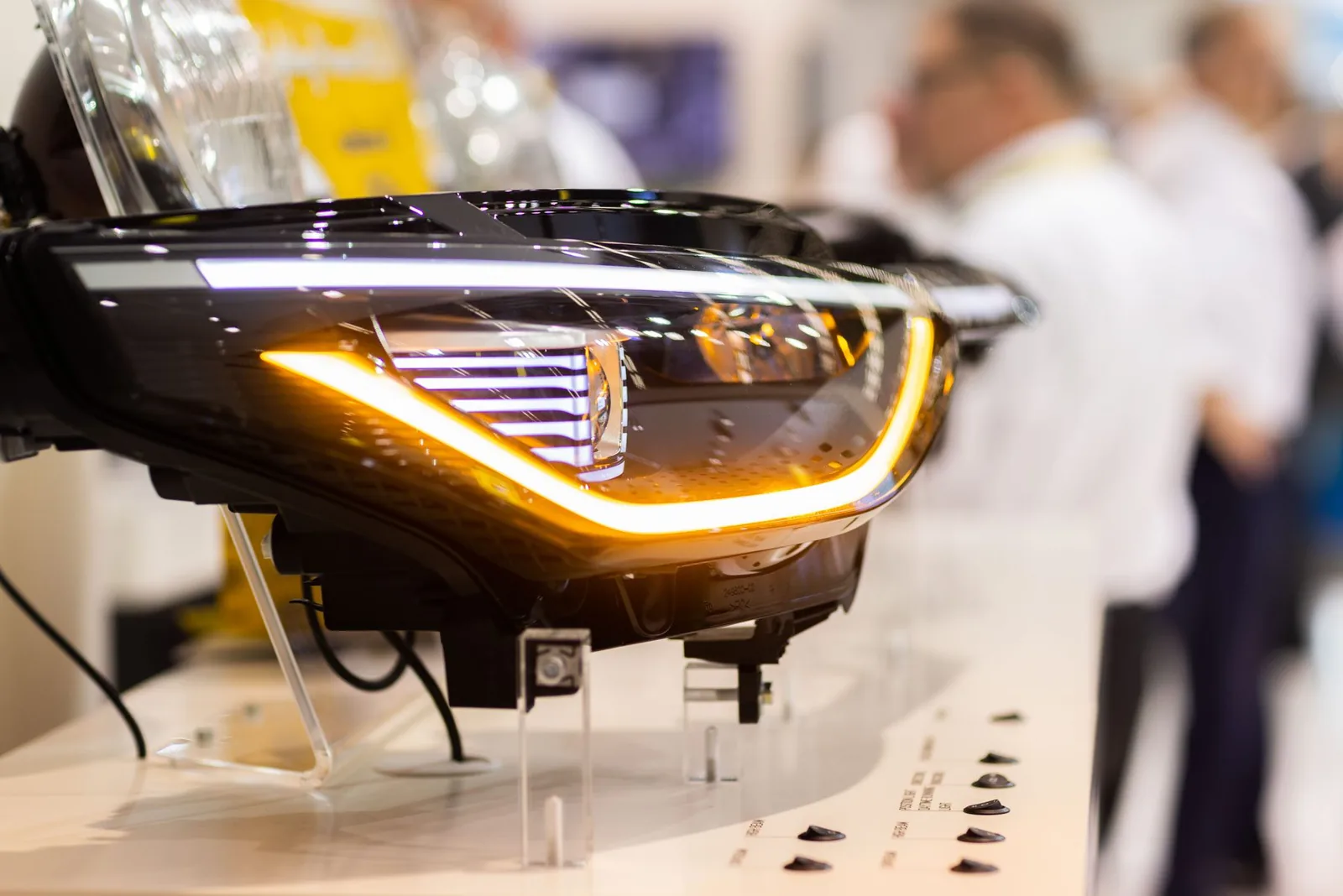
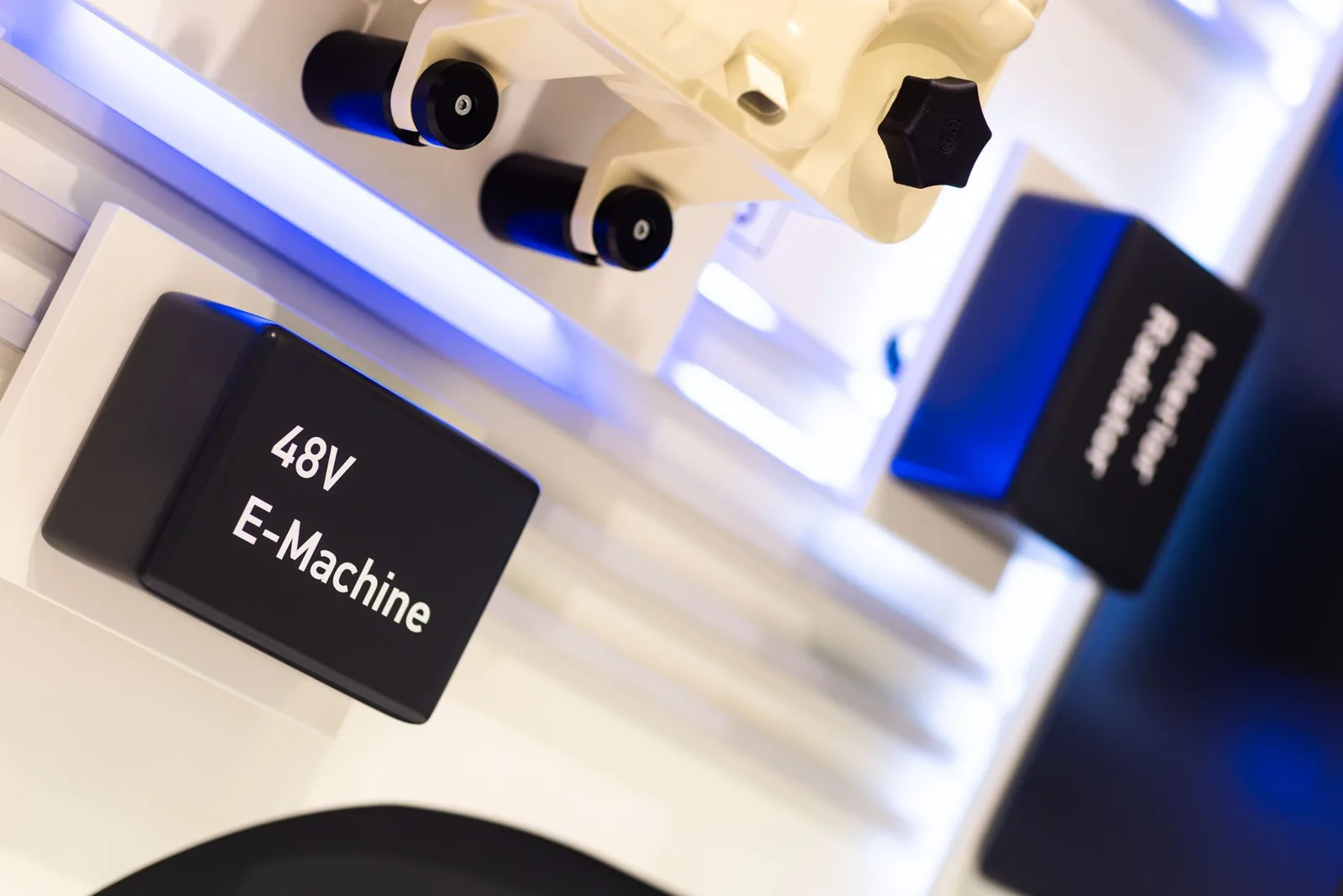
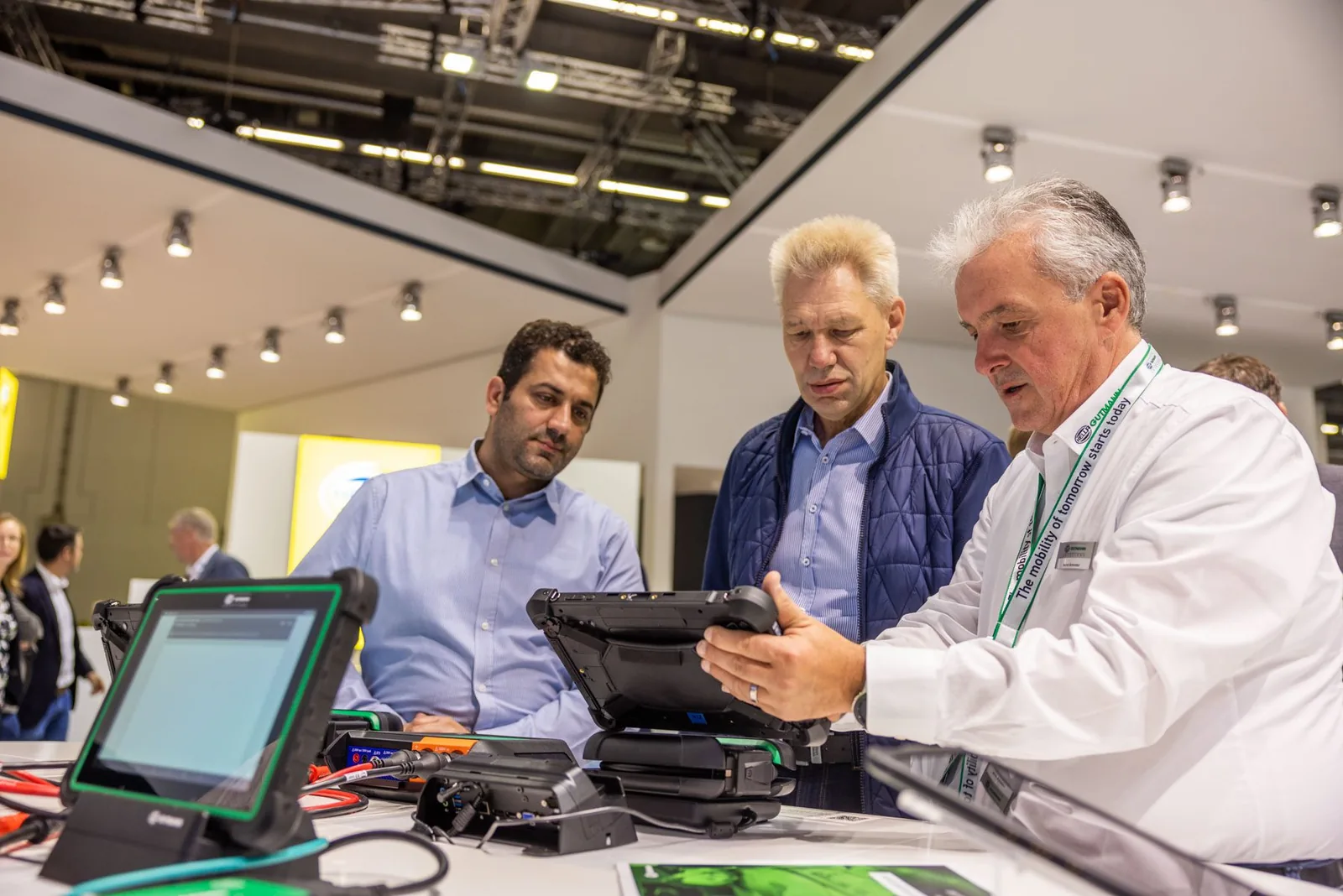
Closer frames concentrate on products, presentations and conversations between trade visitors and staff. What comes out of it is a series that records not only that Hella was at the fair but how the appearance was used.
The full series is in the project Hella – Automechanika Frankfurt.
Screens, lit surfaces and faces in one frame
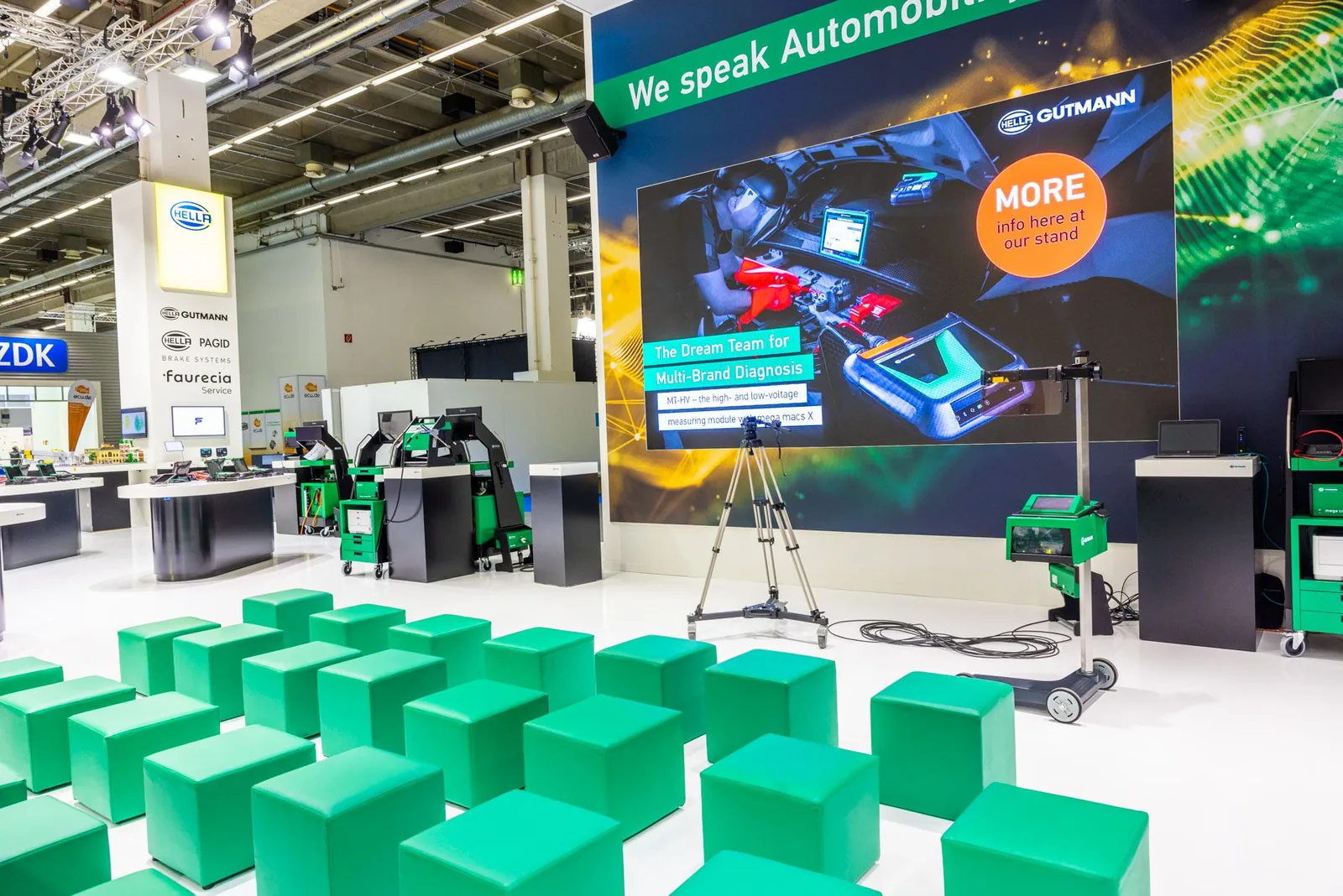
On a brightly lit stand, screens, illuminated surfaces and light sources of different colors all meet. The exposure has to hold the information on the screens and keep faces legible at the same time.
That is the real craft problem of a trade fair production. Expose for the face and the screen burns out, taking the information with it. Expose for the screen and the person in front of it stands in the dark.
Changing the position from frame to frame also keeps architecture, brand and people from competing for attention in every single picture.
What the pictures are needed for afterwards
The resulting series works as a review, for internal communication and for showing the trade fair appearance further in digital channels.
A stand exists for a few days; the investment behind it is meant to last longer. The pictures do that, as long as they carry both levels and are not only close frames of products.
Related work is under photo production.
Planning an event?
Scope and price are fixed before anything is photographed or filmed. The inquiry commits you to nothing.