The Commercial Photo Shoot from Start to Finish
Published
Commercial photoshoots can take your business to the next level. However, putting together a successful commercial photoshoot requires some specific preparation if it is to run smoothly and be successful.
Casting
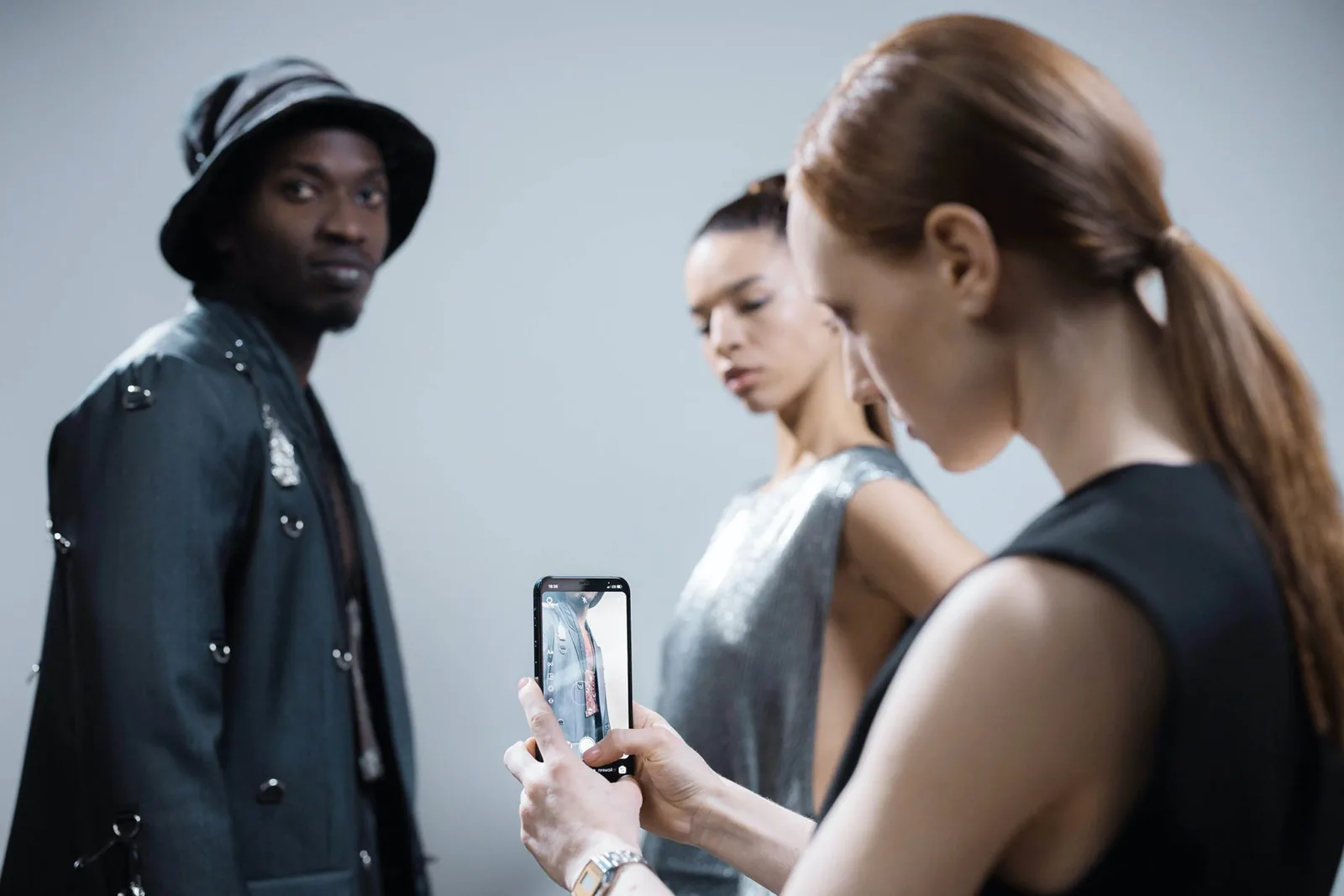
Your first step in preparation is to "cast" the people or objects you will be photographing. Keep in mind that many clients expect the setting to be exceptional and specifically tailored to them. Everything must be perfect, from the hair to the way the table is set to the sheen of the food in the photo.
You need to book models who have a certain charisma to make the photos more interesting and help you create special moments.
Mood Boards
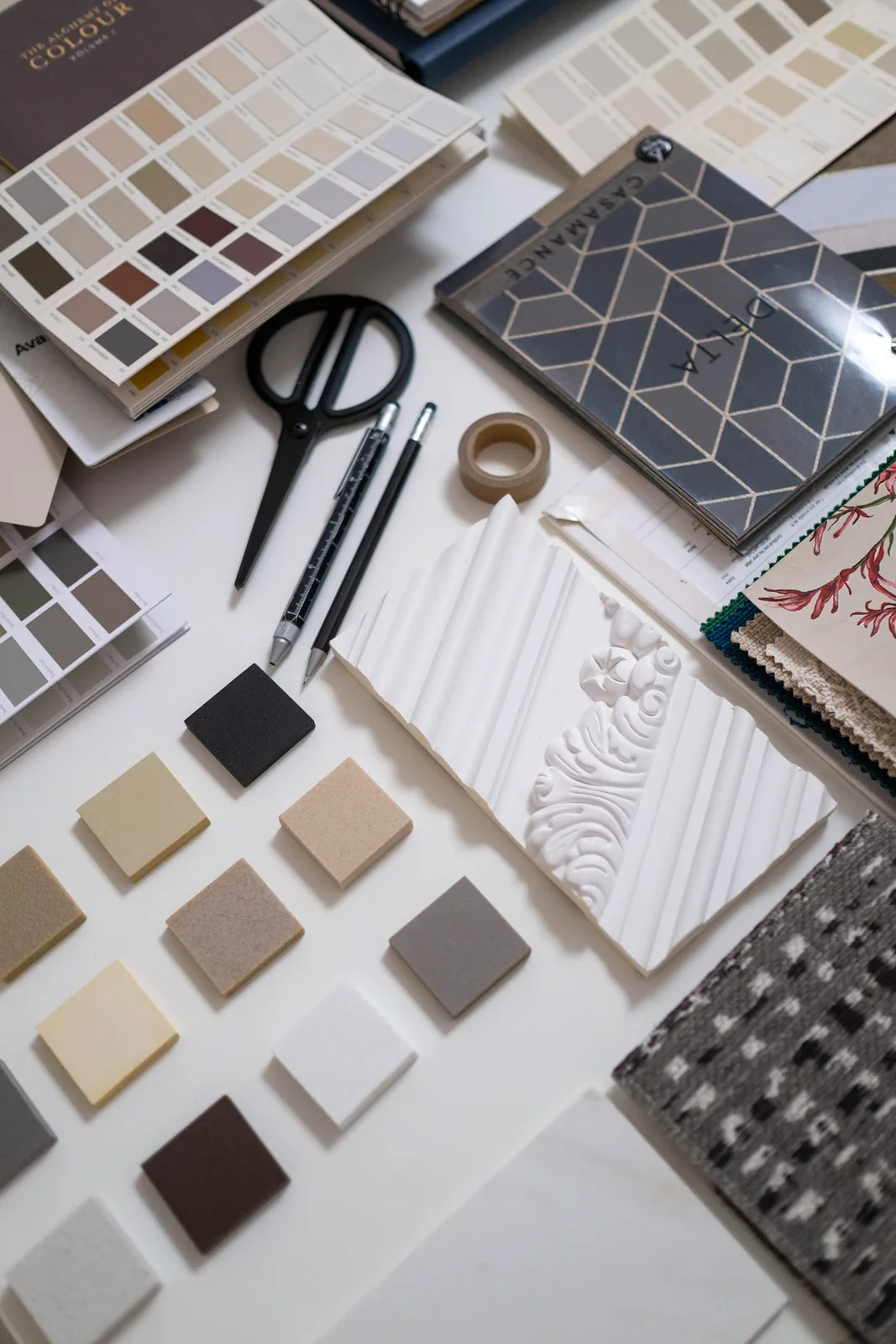
Before setting up all the people and props, take the time to create mood boards for your commercial photoshoot. A mood board makes it easier to visualize your ideas. If the theme of your photoshoot is, for example, “Family picnic in the garden”, you can collect images of garden furniture, red checked tablecloths, delicious-looking food, and families gathering around the table.
Assemble Your Team
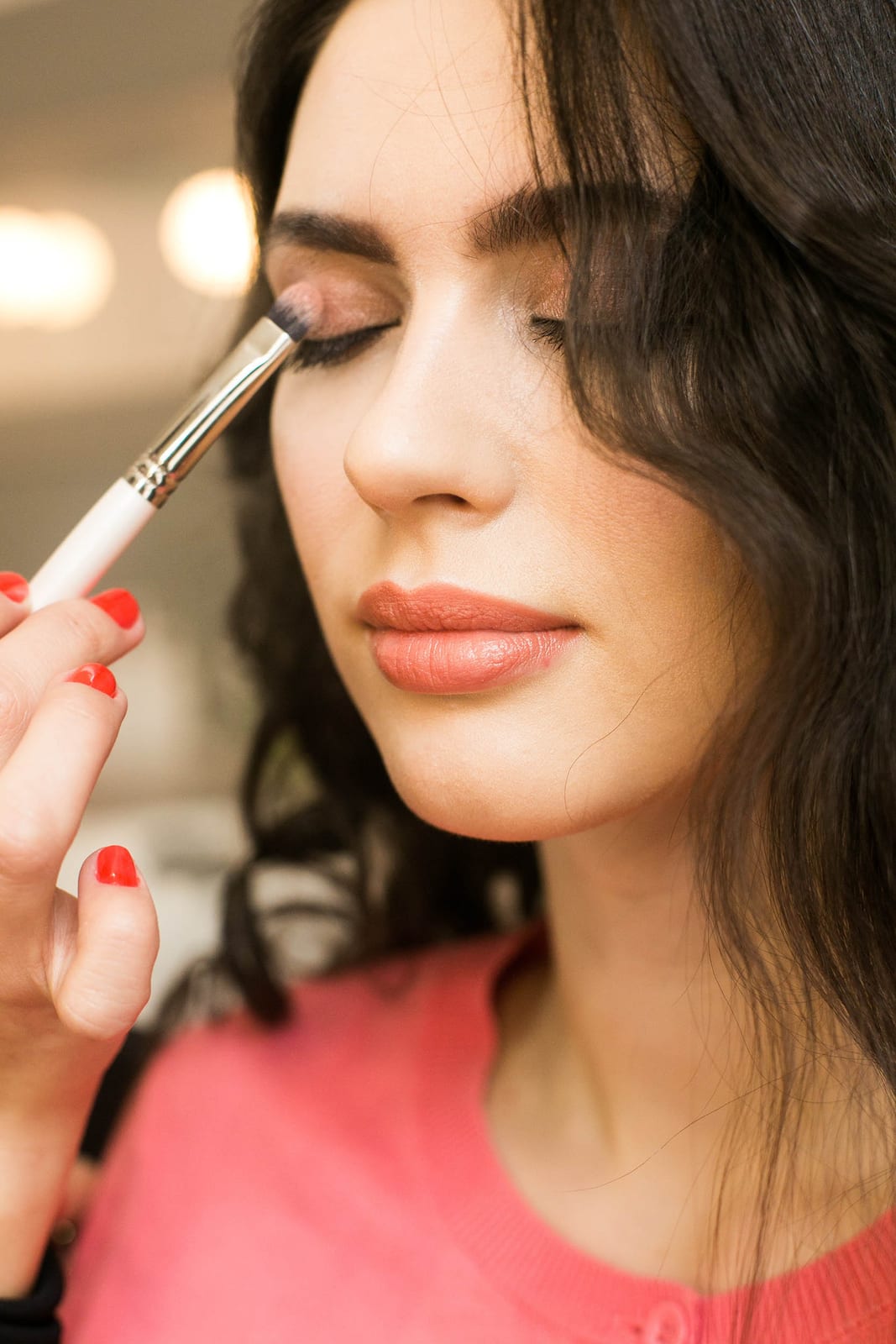
Even before setting the date for your photoshoot, you should assemble your desired production support team. This includes assistants, makeup artists, hair stylists, wardrobe stylists, etc. It’s best to use people you’ve worked with in the past. You already know how they work and vice versa.
Secure Your Space
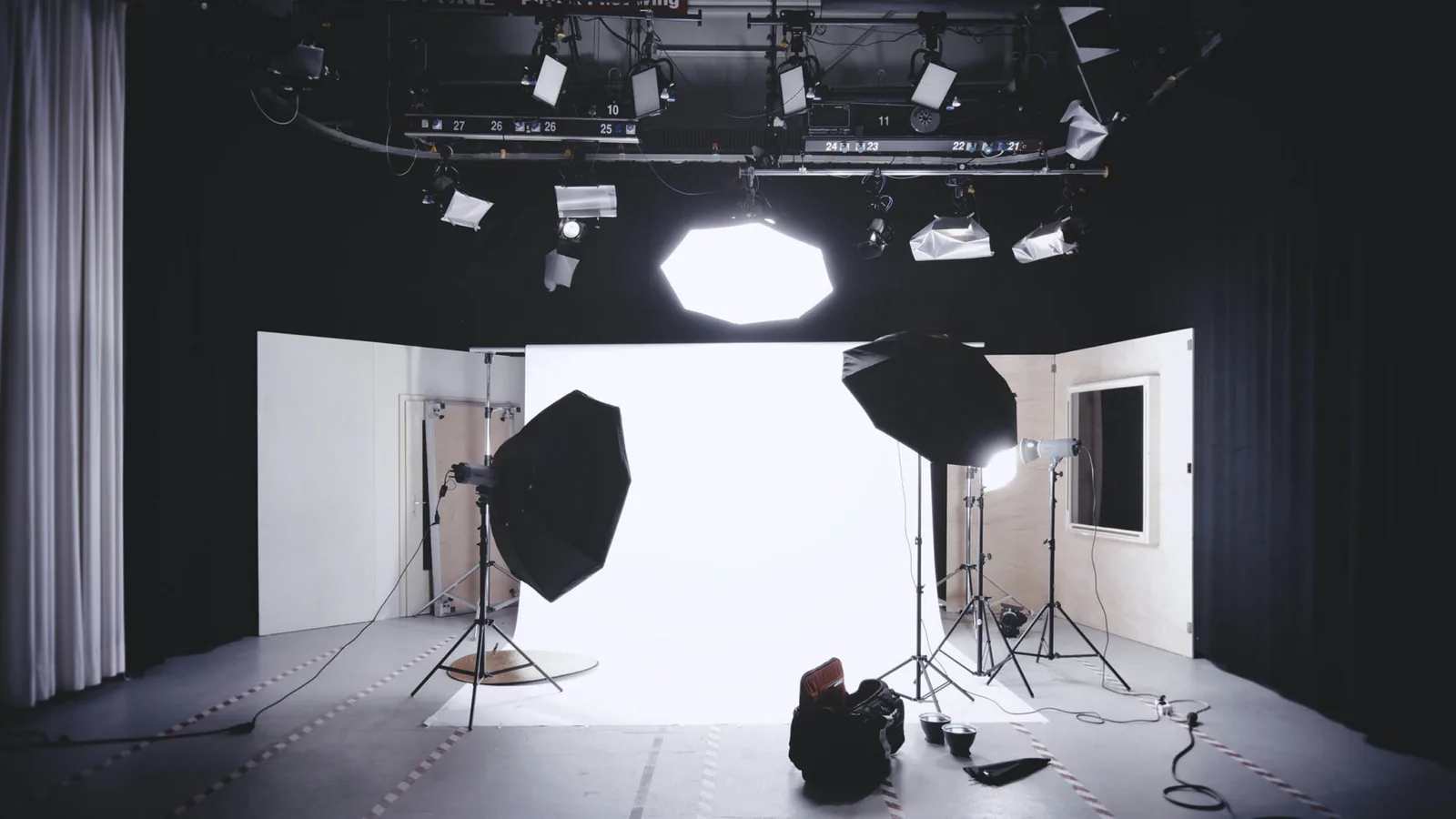
You should choose the best location to take your commercial photos. If you plan to rent an indoor studio, you are not limited by daylight hours. If you want to photograph outdoors, you need to consider what times of day give you the best light for your desired mood. Softer light is found in early morning and late afternoon hours.
Rent and Check Equipment
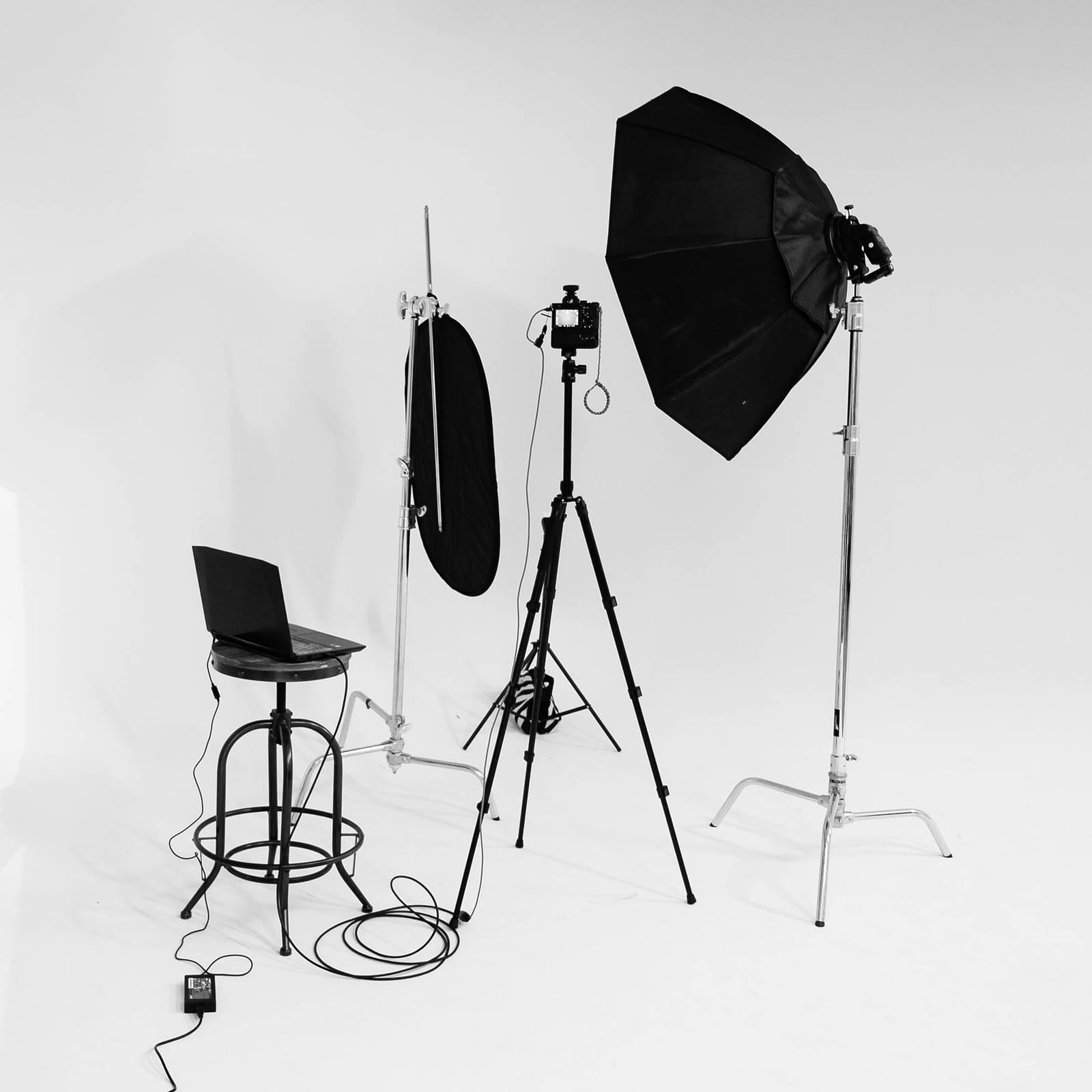
If you are still missing equipment, consider whether you can rent it or borrow from local photographer friends. You may also need tables, tents, chairs, or other props. Coordination with rental companies is critical. A follow-up call a few days prior ensures everything arrives on time.
Day of the Shoot
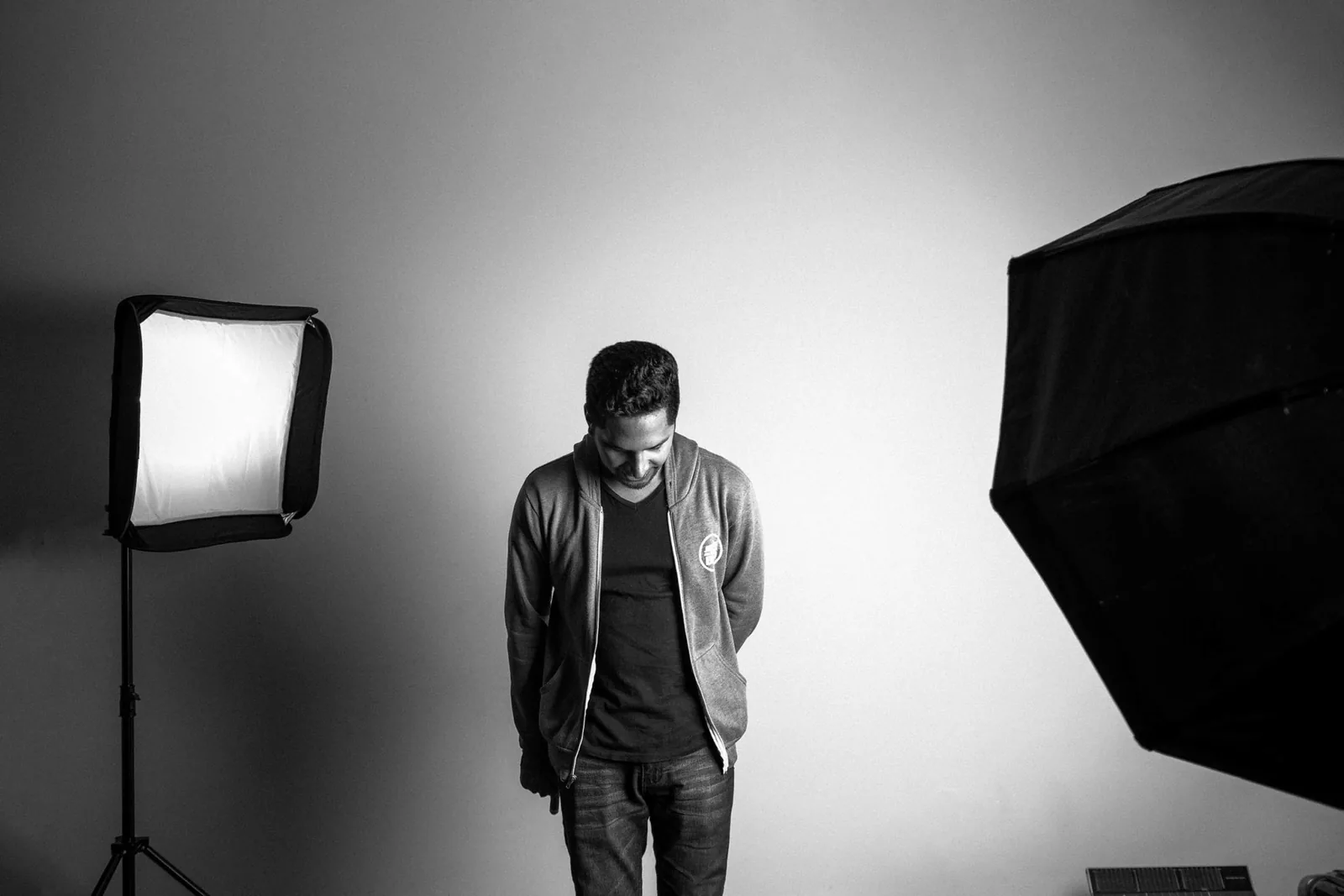
Test your lighting and make necessary adjustments. Lighting can be one of the trickiest aspects. Ensure you arrive early at the location, review your schedule and call sheet, and ensure everyone is prepared. You are ultimately responsible for making sure everything runs smoothly.
Post-Production
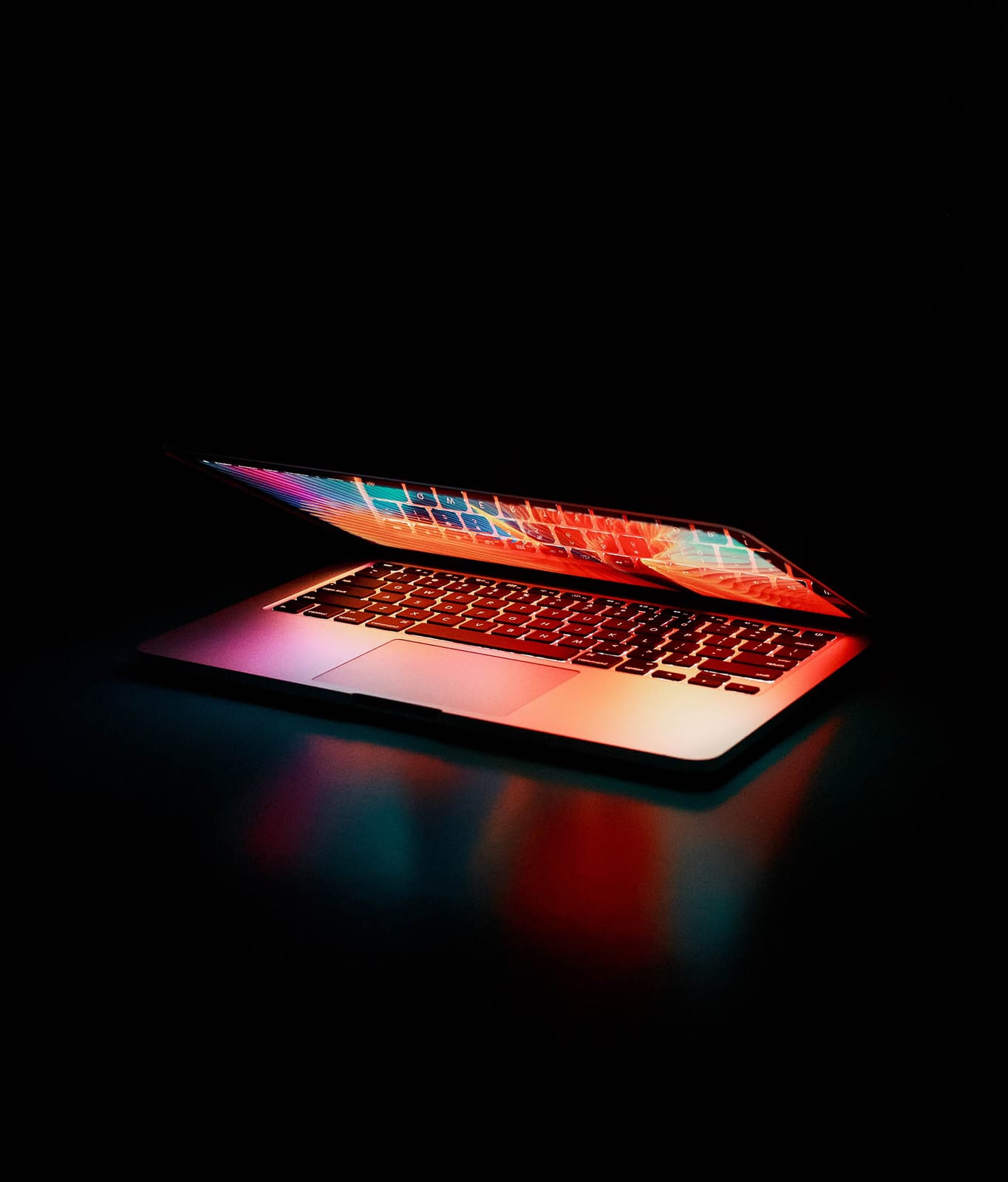
Once the photoshoot is finished, bring your photography and design team together to review the photographs and make all necessary edits. Select the best photographs to present to the client. Photo editing software can fix minor lighting issues and give the images their final polish.
Want your products photographed?
Scope and price are fixed before anything is photographed or filmed. The inquiry commits you to nothing.