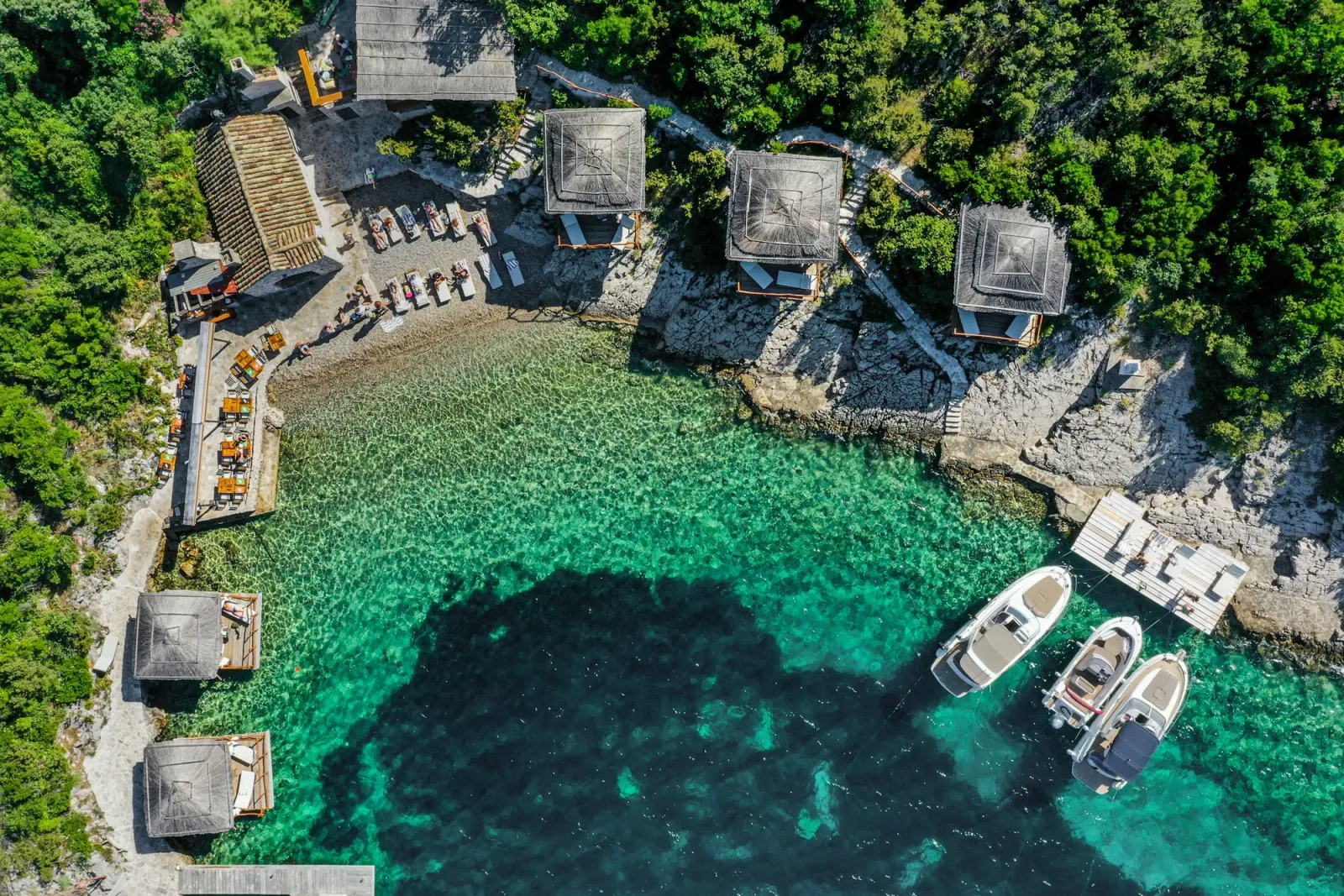
How Travel Bloggers Make Money
Published
On social platforms, we often see people who seemingly travel around the world all year round and can obviously afford to do so. They unfold the power of the internet and its reach, even filling their pockets along the way. Sounds like a good way of life? Then you should check out the main ways travel bloggers make money nowadays.

1. Sponsorships & Brand Partnerships
Brand partnerships are one of the most lucrative revenue streams for travel bloggers. Hotels, airlines, outdoor brands, and tourism boards regularly collaborate with creators to present their products and destinations to a targeted audience.
This usually involves sponsored posts on the blog, Instagram, or YouTube. Transparency and maintaining authenticity are essential: only working with brands that fit your niche builds long-term trust with your readers.
2. Virtual Assistant
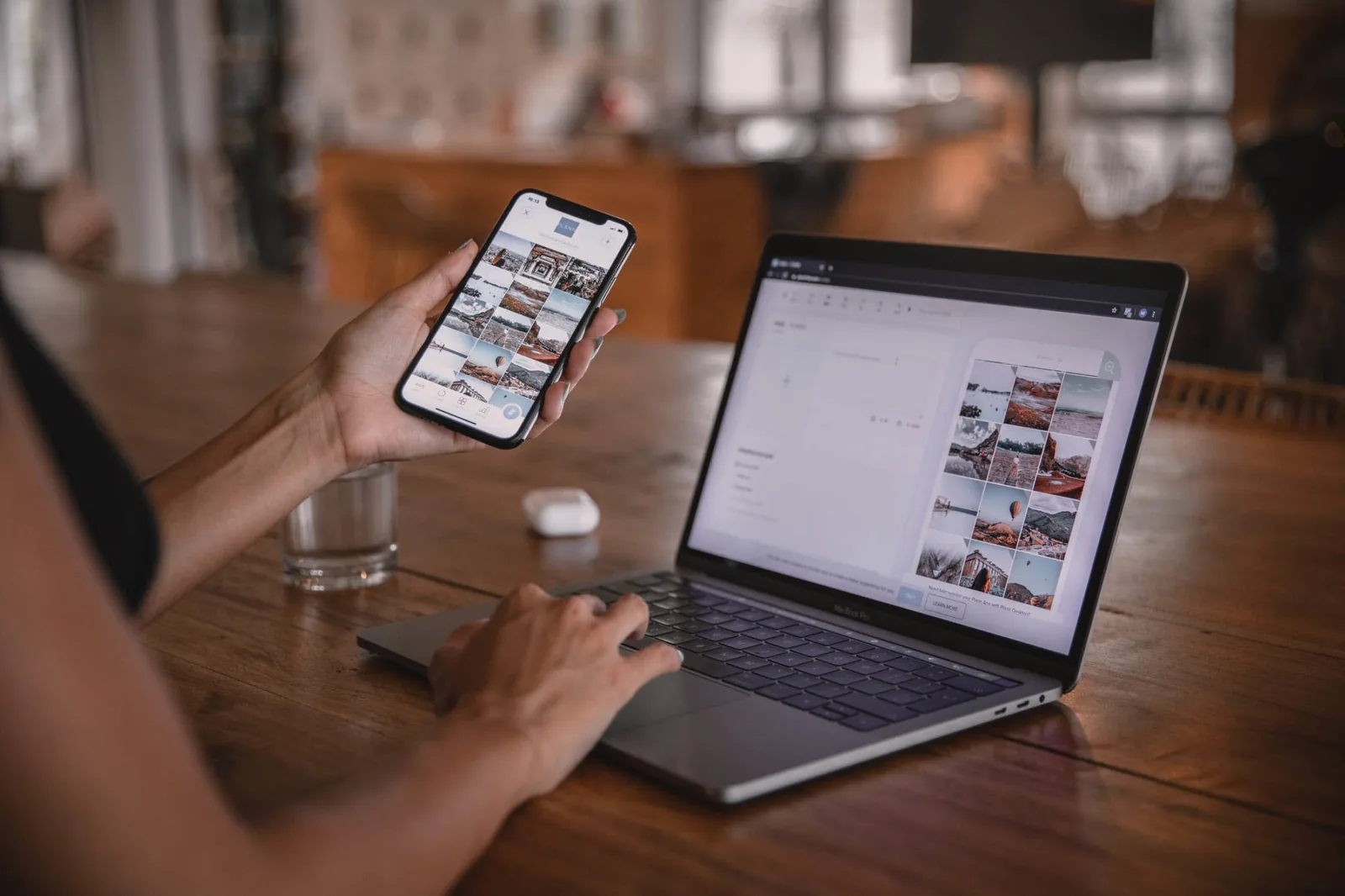
The assistant role also exists in the digital world. Many travel bloggers start their new life with this model, as they often possess all necessary skills (computer skills, organization, online knowledge). As a virtual assistant, you work for a manager and take over everyday tasks such as processing emails, coordinating appointments, travel planning, etc. However, the tasks can also be more comprehensive and include creating presentations. The exact activities always depend on the respective agreement.
3. Dropshipping
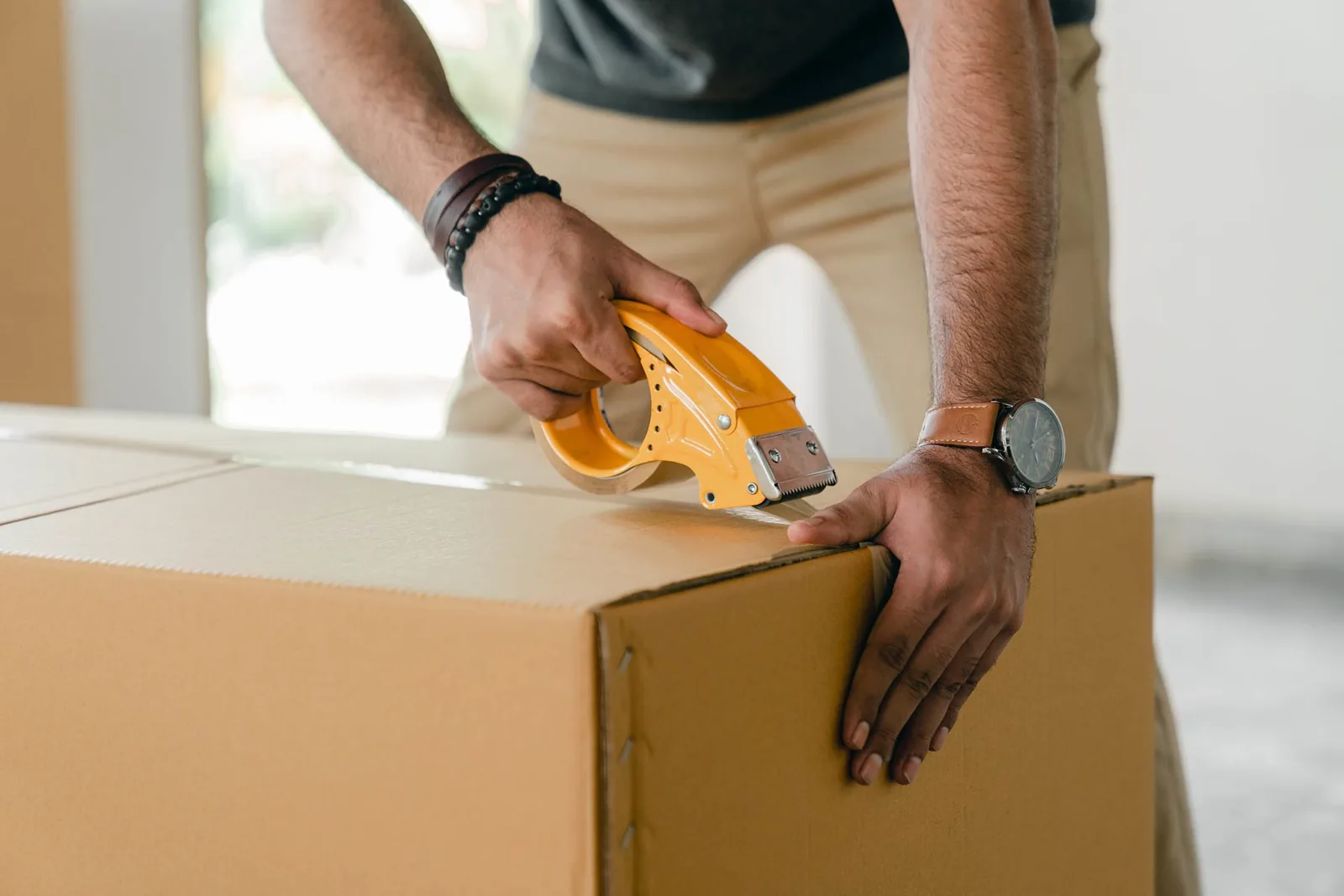
Dropshipping is a business model that does not require your own warehouse or logistics. You select a manufacturer for your product and have them produce your goods while keeping them in their warehouse. When you sell a product through your website (or via Amazon, etc.), the manufacturer receives a notification and ships the product directly to the buyer. Since most manufacturers are located in Asia, shipping takes a bit longer.
This type of business requires an excellent business relationship with the manufacturer or supplier. Since you do not have access to the goods, you must be able to trust the quality of the product.
4. Digital Products
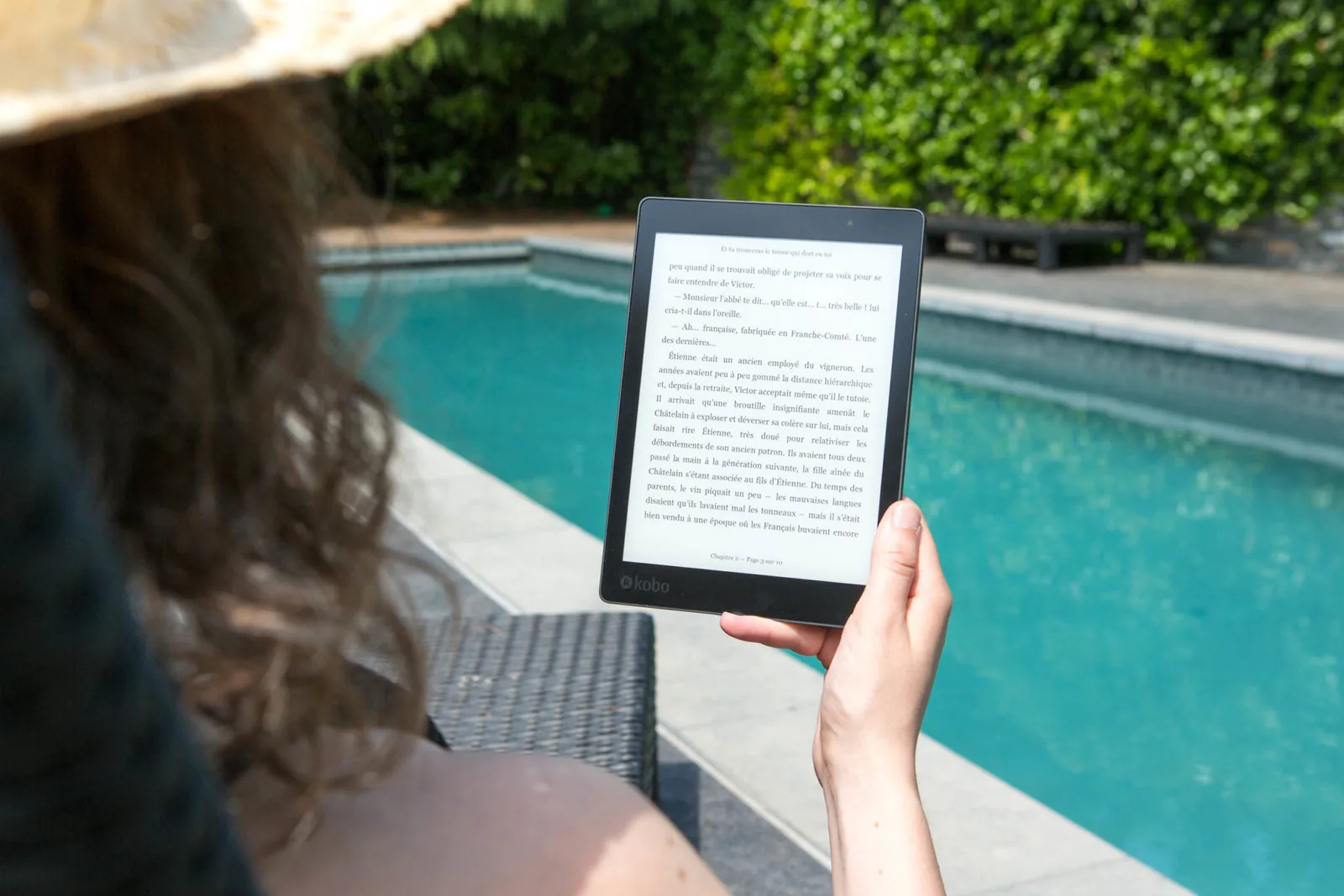
Digital products have the advantage that they require neither a warehouse nor logistics and are therefore "made" for travel bloggers. The range of digital products is very wide. From a standard e-book to a guide on creating niche sites to a coding class, the possibilities are unlimited. What they all have in common is that once created, they can be scaled. Since the products are not stored traditionally, you do not need additional space when you have more customers. The entire payment and shipping process can be handled on digital marketplaces.

5. Affiliate Marketing
An affiliate earns money by recommending products from others and receives a commission in return. This is one of the main methods travel bloggers use to earn money. This can take various forms. The classic approach in affiliate marketing is creating niche websites. You build a site around a specific topic and recommend suitable products there.
In a blog, you can also share interesting facts and link to products through an affiliate program. When a reader clicks the link and buys the product, you receive a commission without the reader paying any extra. The same applies to digital products. Advanced affiliate marketers rely on sophisticated sales funnels, collecting potential customer emails in exchange for valuable downloads, followed by tailored email recommendations.

6. Coaching
Trainers and coaches are becoming increasingly common in the digital space. Thanks to modern communication tools, consultations can be conducted with people anywhere in the world. For example, people offer business coaching to help improve businesses, but personal development, fitness, or language training can also be conducted online. As a coach, you schedule appointments with clients and advise them online, and over time you can also offer additional info products.
7. Sponsored Posts
Sponsored posts are also advertisements in the classic sense. The difference is that they are mainly editorial articles rather than "just ads." However, they must be labeled as sponsored so visitors recognize that it is advertising. Bloggers often have the opportunity to craft the content under specific client specifications. Ultimately, this creates a win-win situation for both sides: companies receive authentic, valuable content that guarantees more readers than a flat banner ad, and bloggers earn money.
Looking for landscape or aerial pictures?
Scope and price are fixed before anything is photographed or filmed. The inquiry commits you to nothing.